World medical breakthroughs in 2025: A year in review
As 2025 draws to a close, Qazinform News Agency looks back at the global medical and biomedical science landscape, which delivered a series of breakthroughs pointing to a new era of earlier diagnosis, more precise cancer therapies, and growing confidence in regenerative medicine. From next generation drugs designed to strike tumors with fewer side effects to devices and implants that restore vital functions, the year’s advances highlighted a clear trend: medicine is moving beyond incremental progress toward platform technologies that can be adapted across diseases and populations.

China-developed eye cancer drug wins FDA orphan drug designation
Late 2024 set the stage for a major oncology storyline that carried into 2025, as a new aptamer drug conjugate developed by Chinese researchers received FDA orphan drug designation for a rare eye cancer. The approach uses aptamers as highly specific targeting molecules to bind cancer cells and deliver an antitumor payload while limiting damage to healthy tissue. Animal experiments indicated not only strong suppression of ocular tumors but also a reduced risk of metastasis to organs such as the liver, lungs, bones, and brain, an especially urgent goal in malignant uveal melanoma, where advanced-stage detection and rapid liver spread remain central clinical challenges.
Kazakhstan joins international push for next generation melanoma therapies
In 2025, Kazakhstani researchers contributed to work on a new class of drug candidates designed to block RAF kinase, a key protein involved in melanoma progression. The project reflected a global priority in cancer medicine: overcoming resistance to existing treatment lines by striking the molecular drivers of tumor growth more precisely. The team emphasized preparation for preclinical studies, framing the effort as a step toward more personalized melanoma care as researchers seek to translate laboratory design into therapies that can hold up in real world clinical settings.

A protein target emerges as a potential lever for cellular rejuvenation
Scientists at Osaka University reported findings that placed the protein AP2A1 at the center of a mechanism linked to cellular senescence. By suppressing AP2A1 in older cells, researchers observed reversal of senescence traits and signs of rejuvenation, while increasing AP2A1 in young cells accelerated aging behavior. The work suggested that targeting AP2A1, alongside its interaction with integrin β1, could eventually support therapies aimed at restoring cell function, boosting collagen production, and reducing the burden of age-related disease processes, although the research remains at an early stage.
First gene-edited pig liver transplant functions inside a human for 10 days
One of 2025’s most closely watched technological frontiers, xenotransplantation, advanced as Chinese researchers reported that a gene-modified pig liver functioned in a human body for 10 days without rejection in a controlled setting. The procedure used a liver from a six-gene-edited Bama miniature pig, with the recipient’s original liver left in place while the team monitored markers such as bile production. The result strengthened the case for genetically engineered animal organs as potential bridging support for patients awaiting human donors, even as experts acknowledged that long-term replacement remains a future objective.

World’s smallest artificial heart implanted in a 7-year-old child
Pediatric cardiac care reached a notable milestone when Chinese doctors implanted a magnetically levitated biventricular assist device in a 7-year-old boy with end-stage heart failure. Weighing 45 grams and measuring 2.9 centimeters in diameter, the device was described as the smallest and lightest artificial heart currently available, addressing a core gap in pediatric medicine where donor hearts are scarce and adult-designed devices can be unsafe for children. Early postoperative improvement underscored how miniaturization and precision control systems are turning mechanical circulatory support into a more practical lifeline for young patients.
A simple blood test aims to detect Parkinson’s before symptoms begin
Researchers at the Hebrew University of Jerusalem presented a non-invasive blood test strategy designed to identify Parkinson’s disease before classical motor symptoms appear. The method focuses on specific fragments of transfer RNA in the blood, using their ratios as a signature with reportedly high diagnostic accuracy, including among people with genetic predisposition. The link between these RNA fragments and disease severity was further suggested by observed changes after deep brain stimulation. If validated at scale, the approach could shift Parkinson’s care toward screening and earlier intervention, a longstanding objective in neurodegenerative disease management.
Diet signals and disease risk: ultra-processed foods tied to early Parkinson’s features
A separate 2025 study added a prevention and public health dimension by reporting an association between high consumption of ultra-processed foods and a greater likelihood of prodromal features linked to Parkinson’s disease. By analyzing long-running dietary and health data, researchers found that those consuming the most ultra-processed foods were more likely to show multiple early warning signs. While the study did not establish causation, it reinforced the broader scientific focus on modifiable risk factors and the role of diet in long-term brain health.
Axolotl regeneration decoded, bringing human limb repair closer in concept
Regenerative medicine gained momentum as research clarified how axolotls regulate what they regrow, pointing to retinoic acid signaling gradients that guide positional information in limb regeneration. By manipulating this signal, scientists could alter outcomes, including inducing duplicate limb growth, while gene work involving shox provided parallels to human developmental biology. The results strengthened a central idea in regenerative science: humans share key molecular components, and the long-term challenge is learning how to switch healing away from scarring and toward regeneration.

CRISPR targets extra chromosome 21 in Down syndrome cells, raising promise and debate
In Japan, researchers reported that CRISPR-Cas9 could remove the extra copy of chromosome 21 in trisomy 21 cells in laboratory conditions. Experiments in stem cells and differentiated fibroblasts suggested that corrected cells could show more typical gene expression patterns and improved cellular function, including reduced stress markers. At the same time, the work highlighted hurdles such as off-target effects and sparked renewed ethical discussion about the boundaries between therapy, prevention, and societal implications, signaling that the next phase of genetic medicine will be shaped as much by governance as by technology.
Biannual injection PrEP: FDA approves lenacapavir for HIV prevention
In one of the year’s most consequential approvals, the FDA cleared lenacapavir for HIV prevention as a twice-yearly injection under the brand Yeztugo. The drug’s nearly complete protection reported in studies and its long dosing interval marked a major shift for prevention programs, potentially improving adherence and reducing stigma compared with daily regimens. Plans to expand access through generic licensing and partnerships signaled an attempt to translate scientific progress into population-level impact, a critical test for global health systems.
New clues to eye regeneration from apple snails
A different pathway into regenerative medicine came from an unexpected model: the apple snail, which can regrow eyes within weeks. Researchers reported that the species shares meaningful anatomical and genetic parallels with human eyes and identified large-scale gene activity changes during regeneration, including work involving pax6, a gene central to eye development. The study framed the snail as a potential platform for discovering gene networks that might be activated for human eye repair in the future.

Lab-grown human skin moves closer to real-world clinical use
A research collaboration involving Iranian scientists reported creation of a lab-grown human skin model that includes multiple tissue layers, immune cells, hair follicles, and vascular structures. The work points to future improvements in skin grafting, wound treatment, and disease modeling, while also providing a more realistic testing ground for therapies in conditions such as psoriasis, atopic dermatitis, and scleroderma. The headline implication is that organoid and tissue engineering methods are starting to produce complexity closer to living biology rather than simplified lab substitutes.
Regenerative orthopedics advances with collagen gel for cartilage repair
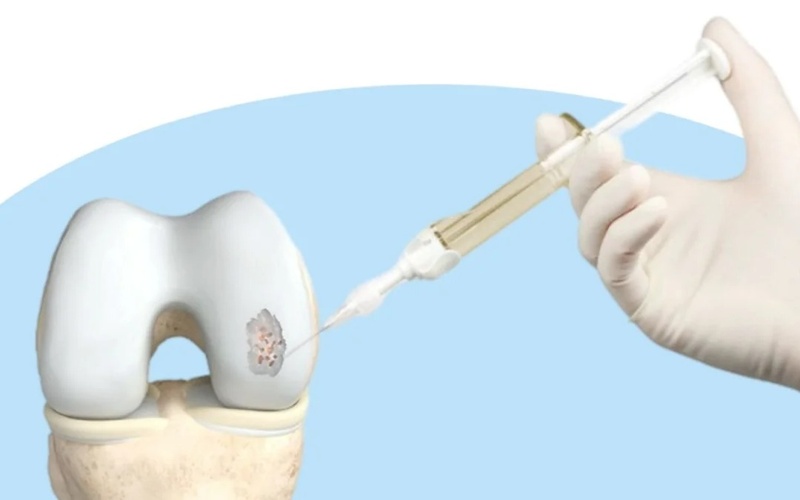
In Europe, clinical practice and studies continued to support a collagen-based hydrogel device used to treat cartilage lesions. The method’s minimally invasive application during arthroscopy and its reported safety profile positioned it as an example of regenerative orthopedics becoming more standardized, particularly for selected defect sizes and patient groups. Longer follow-up outcomes suggested durable improvements for many patients, while also underscoring that advanced osteoarthritis remains a difficult boundary for repair strategies.
A new receptor target points to future osteoporosis therapies
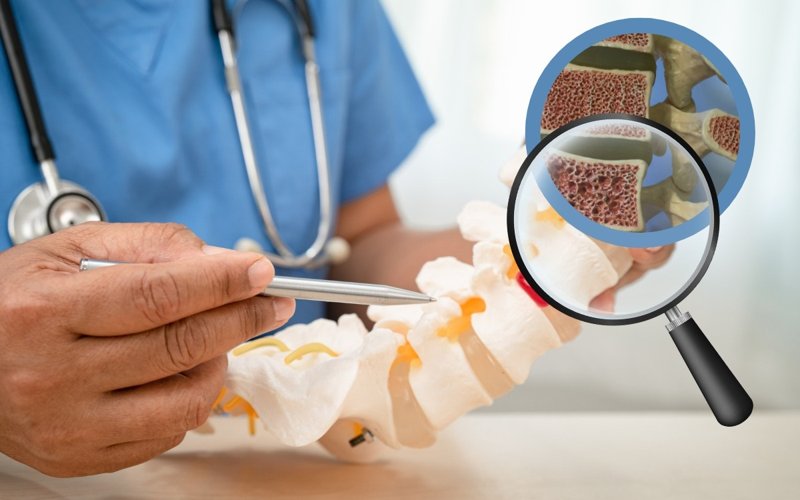
German researchers identified the receptor GPR133 as a key regulator of bone health and demonstrated that activating it with a compound called AP503 strengthened bone tissue and reversed osteoporosis-like conditions in mice. With osteoporosis representing a large and aging-driven disease burden, the findings suggested a route toward therapies that support bone formation while limiting resorption, and hinted at a broader link between musculoskeletal targets that may benefit both bone and muscle.
Radioisotopes reshape oncology: actinium-225 and the rise of alpha therapies
Nuclear medicine became a defining storyline of 2025 as researchers highlighted actinium-225 as a powerful alpha-emitting isotope for targeted radiopharmaceuticals. Building on commercial success of lutetium-177-based drugs, attention shifted to alpha emitters that deliver intense energy over microscopic distances, with the goal of more lethal tumor targeting and less collateral damage. The central constraint remained supply, with production limits shaping how quickly therapies can scale, but industry expectations pointed to multiple potential approvals by the end of the decade.
An implant restores partial vision in age-related macular degeneration
A clinical trial reported that a wireless photovoltaic retina implant enabled many people with severe dry AMD to regain partial sight, including meaningful improvements on eye charts and functional gains at home. By combining a tiny implant with glasses that convert camera images into infrared patterns, the system bypassed lost photoreceptors and stimulated remaining retinal neurons. While limitations such as black-and-white perception and modest resolution remain, the results suggested that vision restoration is increasingly moving from experimental concept to practical assistive technology.

A new way to halt a rare kidney cancer by dissolving RNA “droplet hubs”
Researchers reported a mechanism in translocation renal cell carcinoma in which RNA helps build liquid-like nuclear condensates that activate tumor-promoting genes. By developing a molecular tool to dissolve these droplet hubs on demand, the team halted tumor growth in lab and animal models. Beyond a single cancer type, the study pointed toward a broader therapeutic strategy: disrupting the physical organization of gene regulation inside the nucleus, particularly in fusion-driven cancers that are common in pediatric oncology.
Embryo editing returns to public debate as private sector pushes forward
A high-profile controversy in late 2025 reopened global debate around heritable genome editing, as a new company proposed research pathways to modify embryos to prevent inherited diseases. Scientists and ethicists emphasized that safety thresholds remain extraordinarily high, that unintended mutations could be inherited across generations, and that existing embryo screening already prevents many disorders without genetic alteration. The episode underlined a widening gap between technical ambition and regulatory readiness, an issue likely to shape biomedical policy well beyond 2025.
Kazakhstan strengthens biomedical capacity with a world-standard vivarium
For Kazakhstan, one of the year’s strategic developments was the opening of a world-standard scientific vivarium at Nazarbayev University, positioned to enable the full cycle of preclinical studies domestically. Officials framed the facility as a step toward attracting investment and pharmaceutical partners and expanding the country’s role in regional research infrastructure, signaling those biomedical breakthroughs increasingly depend not only on discoveries but also on national capacity to test and translate them.
A new weakness in acute myeloid leukemia identified through metabolism and cuproptosis
Australian researchers reported that AML cells, including stem cells linked to relapse, rely on heme production to survive, and that blocking this pathway can trigger cuproptosis, a form of cell death tied to copper-related mechanisms. The study suggested a new treatment direction that might overcome drug resistance and reduce relapse risk, a critical unmet need in AML where outcomes after recurrence are often poor. The findings also pointed to combination strategies by targeting additional metabolic pathways, reflecting a broader oncology shift toward exploiting cancer’s dependence on specific cellular fuel systems.
Earlier, Qazinform News Agency published a review of the global scientific landscape, highlighting a series of breakthrough science stories from the past year that stand out for delivering clear, real world impact in 2025.