Kazakhstan-U.S. ties are in the best position in our shared history - Ambassador Stufft
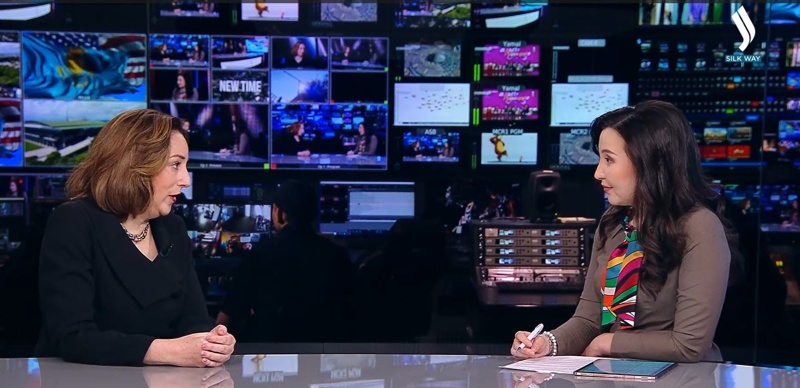
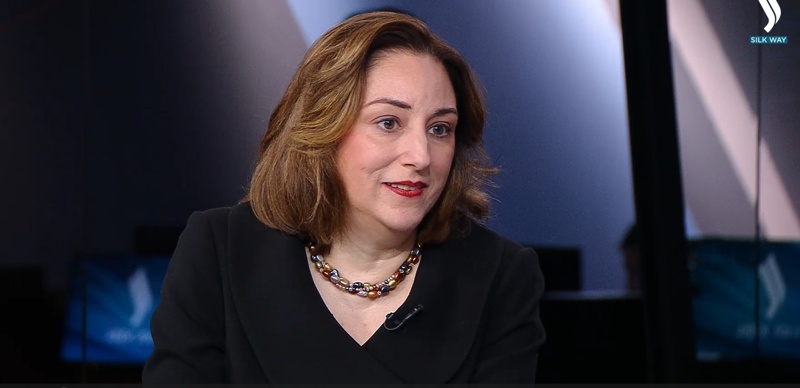
Expanding cooperation in energy, critical minerals and emerging technologies is shaping a new stage in relations between Kazakhstan and the United States, as U.S. Ambassador to Kazakhstan Julie Stufft said in an exclusive interview with the Silk Way TV Channel, highlighting record levels of investment, growing geopolitical alignment and broadening engagement beyond traditional economic ties into security, innovation and global dialogue.

Ambassador Stufft, given the strategic partnership between Kazakhstan and the United States, as well as the growing amount of American investment in Kazakhstan, which sectors are currently attracting the greatest interest from U.S. investors, and where do you see the strongest potential for long-term cooperation?
The relationship between Kazakhstan and the United States is in the best position in our shared history. It’s very exciting to see our two presidents so aligned and so committed to this relationship. We’re very, very excited for the future.
Of course, 35 years ago, when the United States was among the first countries to recognize Kazakhstan and establish diplomatic relations, our relationship was primarily economic. It was about business investment from the United States into Kazakhstan. But now our relationship goes far beyond that, to security, cultural cooperation, and addressing global issues, like the Abraham Accords. This is the future of our relationship.
The United States has invested about $100 billion across all sectors since Kazakhstan’s independence. This is a huge investment, spanning everything we can imagine. I fully expect that this will continue going forward. It started very much in the energy sector, but has expanded to include aviation, AI, digital technologies, and more.
In your confirmation speech for this ambassadorial post, you mentioned energy as well as rare earths as key areas of focus. Amid the global shift toward a green economy and rising demand for rare earths and critical minerals, how do you see Kazakhstan as a reliable supplier of critical minerals? And do you have any plans for joint production and processing facilities in our country?
Kazakhstan will play a very important global role in critical minerals. Today, in 2026, critical minerals are key to everything we manufacture. AI, for example, cannot develop without access to them.
But I do want to say that what Kazakhstan and the United States are doing on critical minerals is a global project. It is not limited to our two countries. In Washington, we hosted 54 countries a couple of months ago to work together on creating transparent pricing worldwide, so that investors will come to Kazakhstan to mine and help process critical minerals here.
Foreign Minister Kosherbayev was a key speaker at that event. The idea is that Kazakhstan should be able to access its rich mineral resources, sell them at a fair price, and bring in partners of its choice to help with processing.
But could you open the door for these negotiations? How close are we to concluding them and launching joint production here in Kazakhstan? When could this happen, perhaps within a few years?
Yes, I hope that this global market framework will be finalized soon. Many countries are currently working on this, far beyond the initial 54 that participated in Washington.
We do have joint projects where the United States and Kazakhstan are working together. The United States is one of the largest mining countries in the world, and we have extensive experience in doing this effectively. We want to bring that experience and partner with Kazakhstan.
For example, last year we signed an agreement with Cove Capital on a major tungsten deposit here in Kazakhstan. We will work together not only to mine this critical mineral, but also to process it, which is an increasingly important part of the value chain.
Given the current geopolitical situation and the need to diversify international supply chains, how does the United States view Kazakhstan as a reliable alternative source of energy products for the global market?
Kazakhstan has made it very clear that it wants to engage with the global market and work with countries around the world. And this is key. Anytime a single state or non-state actor controls access to critical resources, it creates disruptions.
Kazakhstan is working to use its vast resources, both in energy and critical minerals, to ensure that does not happen, and that these resources remain available to buyers worldwide.
Kazakhstan has been added to a list restricting certain types of immigrant visas, which caused a strong reaction within the Kazakh community. Is there any possibility of revisiting this measure, even though it does not affect tourists and business travelers?
Yes, I have a lot of experience with this issue in Washington. Immigration policies are regularly reviewed. I can say that this particular policy applies only to certain categories of immigrants. These are individuals who are not even residing in Kazakhstan, and they are driving this policy.
It is not about Kazakh visitors, who are, of course, welcome in the United States. The policy is under review, so changes could happen at any time. But this is not related to the U.S. relationship with Kazakhstan. Many countries are affected by similar measures, and I expect we will hear more about this soon.
We have seen close cooperation and engagement between Presidents Kassym-Jomart Tokayev and Donald Trump. In your opinion, what role does the Kazakh president play in maintaining global dialogue today?
Yes, I am truly impressed by this relationship and how it has continued with such momentum. And it is not just at the presidential level. It is reflected at the ministerial level and throughout our governments.
We are all committed to making this relationship the strongest it has ever been, using our shared capabilities to support one another and achieve shared prosperity.
President Tokayev is an extremely experienced diplomat. I know that President Trump values his guidance and perspective on global conflicts and key international issues.
President Tokayev was also among the first to join the Board of Peace at President Trump’s invitation. They speak frequently.
Kazakhstan has always been a regional leader in Central Asia, but today it is increasingly becoming a global leader in how it engages on the world stage.
And since you have just taken up this ambassadorial post, what would success look like for you in a few years? What would make you feel that your mission here has been successful?
Certainly, in the commercial sphere, there is already a great deal of cooperation, and I believe this will continue to grow in the coming years and decades.
But I am also very interested in areas where we have not traditionally had as much cooperation, such as security, artificial intelligence, the defense sector, and law enforcement. These are areas where we can work together very effectively.
I would also like to see more Kazakh students studying in the United States and more American students coming here. People-to-people ties are always beneficial for both countries.
Our relationship is no longer limited to commerce. It goes far beyond that, and I believe we have a very bright future ahead.
Earlier, Qazinform News Agency reported that during a visit to the United States, a Kazakh delegation led by Special Representative of the President of Kazakhstan for negotiations with the United States Erzhan Kazykhan and Deputy Prime Minister Serik Zhumangarin held a meeting with U.S. Secretary of State Marco Rubio.