How Kazakhstan’s ancient tradition of asar still unites people in times of crisis
On May 1, Kazakhstan celebrates the Day of People’s Unity, a public holiday that reflects the country’s unique identity as a home to more than 130 ethnic groups, reports a Qazinform News Agency correspondent. Kazakhs, Russians, Uzbeks, Ukrainians, Tatars, Germans, Koreans and many others have, over decades, built a shared society where cultural diversity is not only preserved but embraced.

Festive concerts, exhibitions, and public gatherings mark the occasion across the country. Yet beyond the official events, unity in Kazakhstan has a deeper meaning, shaped not only by policy or history but by everyday human connections. It is expressed in how people support one another in difficult times, often without hesitation.
This sense of solidarity did not emerge overnight. It is rooted in the traditions of the Kazakh steppe, where survival depended on cooperation. For centuries, life in the vast and often unforgiving landscape required people to rely on one another. From this reality grew a powerful cultural principle that continues to define the nation today: mutual assistance.
At the heart of this principle lies the ancient custom of asar, a tradition that embodies the spirit of collective responsibility and compassion.
Asar - The tradition of helping together
The word asar can be translated as “all together” or “collectively.” It refers to a long-standing Kazakh tradition where people unite to help someone in need. While relatives were often the first to respond, neighbors and community members would also join, guided by the belief captured in the saying: “A good neighbor is closer than a relative.”
Historically, asar was essential for survival. If a family lost its home to fire, the entire aul (village) would gather to rebuild it. When harsh winters or dzud led to the loss of livestock, people helped restore herds so that affected families could recover. Assistance was not limited to material support. In times of grief, communities came together to organize memorial gatherings and offer emotional care.
Several related customs emerged from this same ethos. The practice of zhylu involved providing aid to those affected by natural disasters, symbolizing warmth and compassion. Zhurtshylyk allowed communities to pool resources to help someone repay debts or manage financial hardship. Meanwhile, konil shai ensured that those who had lost loved ones were not left alone, as neighbors visited them regularly to offer comfort.
All of these traditions shared a common feature: they were voluntary and sincere. People helped without expecting anything in return. Yet the social bond created through such acts ensured that support would always come back when needed.
Today, although lifestyles have changed, the essence of asar remains deeply embedded in Kazakh society. It continues to unite people across ethnic and religious lines, reflecting a shared moral code that transcends differences.
In contemporary Kazakhstan, the spirit of asar often reveals itself most clearly during times of crisis. Recent years have provided many examples of how citizens come together to support one another.
During the devastating spring floods of 2024, which affected several regions including Kostanay, Akmola and North Kazakhstan, thousands of volunteers across the country stepped forward. In Astana alone, nine humanitarian aid collection centers were opened, while more than 30 volunteer organizations coordinated assistance. Over 550 tons of aid, including food, clothing, tents and basic necessities, were sent to affected regions. Volunteers not only gathered supplies but also worked on the ground, pumping out water, filling sandbags and helping evacuate residents.
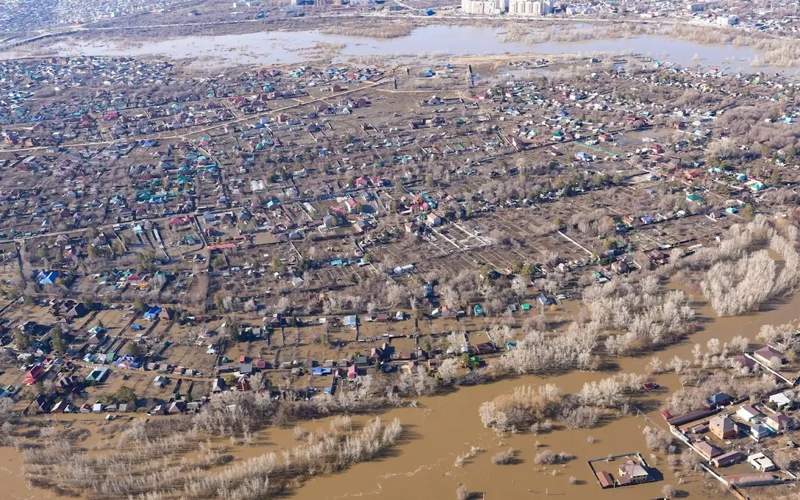
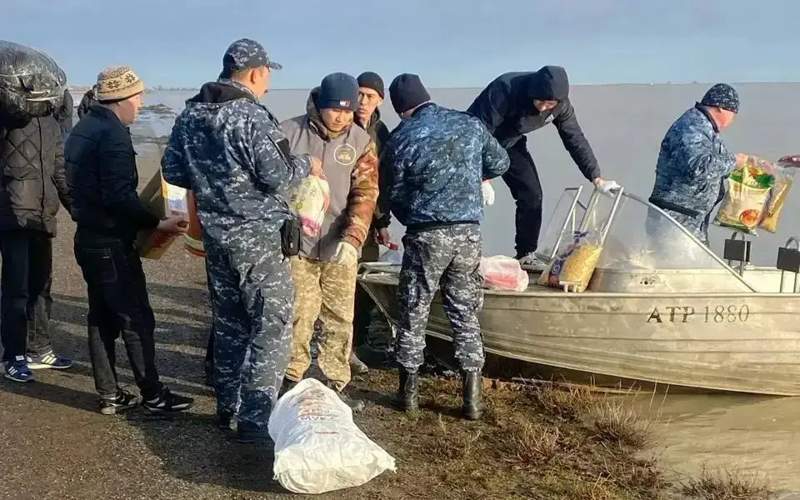
Across the country, the scale of mobilization was unprecedented. According to Qazinform, nearly 25,000 volunteers were involved nationwide, assisting at evacuation centers, reinforcing riverbanks and delivering aid. In some regions alone, thousands of volunteers worked around the clock, demonstrating a level of civic unity rarely seen in peacetime. The floods, described as the largest natural disaster in decades, revealed how deeply rooted mutual assistance remains in society.
Winter emergencies provide another clear example of everyday solidarity. When snowstorms block highways in northern and central Kazakhstan, local residents often open their homes to stranded travelers, offering shelter, hot meals and warmth. These informal rescue efforts highlight how traditional hospitality continues to save lives in extreme conditions.
Solidarity in times of crisis
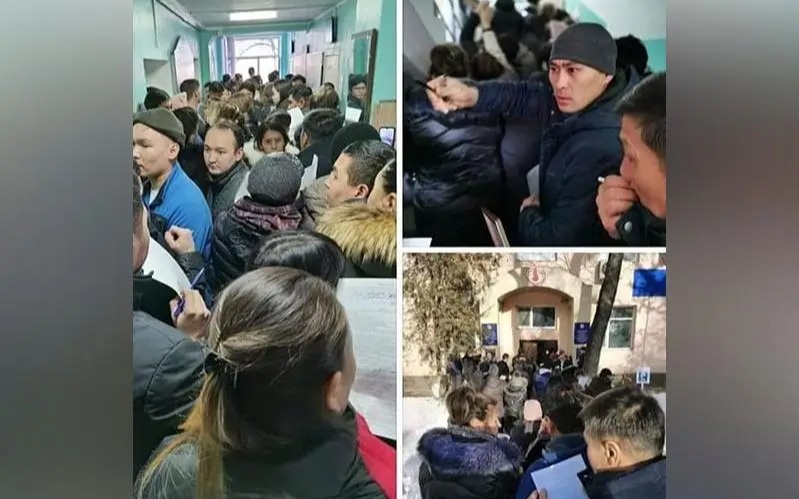
The same spirit was evident after the AZAL plane crash. In the immediate aftermath, blood donation centers in Astana and other cities saw long queues, as hundreds of residents responded to urgent appeals within hours. According to Qazinform, citizens lined up at the capital’s Blood Center to donate blood for survivors of the crash near Aktau, demonstrating widespread solidarity and compassion. Hospitals reported that supplies were quickly replenished, while many volunteers also helped with logistics, assisting relatives and supporting emergency services.

A similar response was seen earlier in Almaty following the 2019 crash of a Bek Air aircraft. Residents quickly answered calls from local authorities to donate blood for the injured, forming long lines at medical centers across the city. The tragedy, which claimed 12 lives, prompted a nationwide outpouring of support, while the country observed a day of mourning. As in later crises, citizens came together to assist victims and their families, reflecting a deeply rooted culture of compassion and unity.
The COVID-19 pandemic provided another powerful example. Volunteer movements expanded rapidly, delivering food and medicine to elderly and vulnerable citizens. Community groups organized support for medical workers and those in isolation, while digital platforms helped coordinate assistance across cities. The crisis showed how the principle of asar can adapt to modern challenges without losing its essence.
More recently, during the large-scale forest fires in the Semey Ormany reserve in Abai Region, Kazakhstanis once again united. Aid campaigns were launched nationwide, with citizens collecting funds, equipment and supplies for affected families and firefighters. The tragedy triggered a nationwide response that extended beyond official efforts, reflecting strong civic responsibility and solidarity.
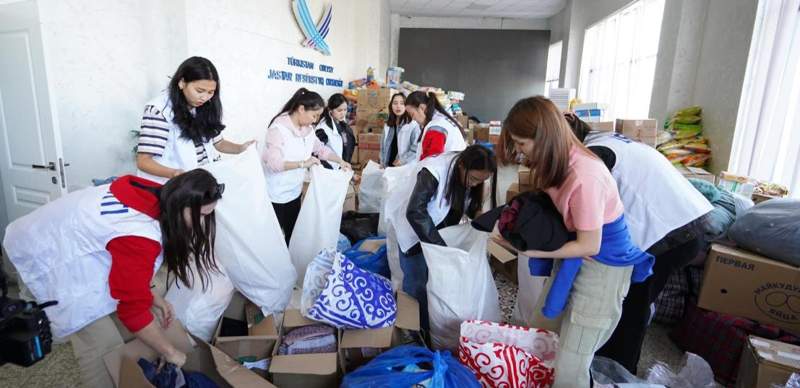
This growing culture of solidarity is also reflected in the rapid expansion of volunteering in Kazakhstan. Speaking at the Volunteers’ Forum in Astana, Kassym-Jomart Tokayev said the number of volunteers has risen from 50,000 in 2020 to around 300,000 today. More than 800 organizations are now involved in socially beneficial work across areas such as ecology, education and social support. The President also backed the introduction of a digital volunteer passport, highlighting the role of modern technologies in strengthening the movement.
Looking ahead, Kassym-Jomart Tokayev announced plans to develop a new volunteering roadmap through 2030. The government has been tasked with creating a comprehensive strategy to expand participation and introduce new incentives, ensuring continued growth of civic engagement in the country.
This same collective spirit is also visible in peacetime initiatives such as the “Taza Kazakhstan” campaign. Citizens across the country participate in clean-up drives, environmental actions and tree-planting campaigns aimed at preserving natural ecosystems. These efforts demonstrate that unity in Kazakhstan is not limited to emergency situations but is also expressed through shared responsibility for the future.
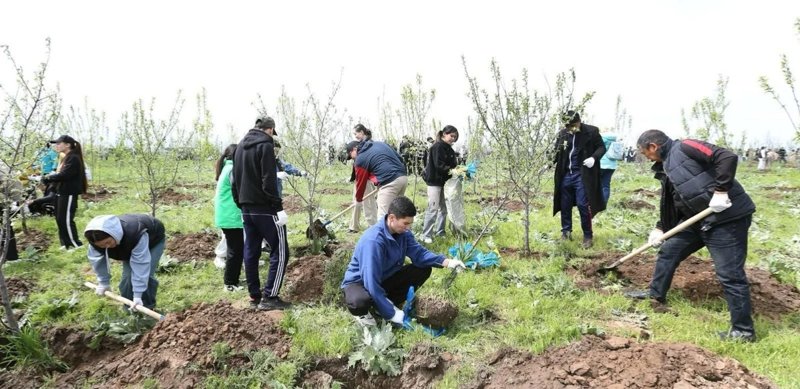
As Kazakhstan celebrates the Day of People’s Unity, the tradition of asar serves as a reminder that unity is not only a concept, but a lived experience. It is found in the willingness to help a neighbor, to support a stranger, and to stand together in times of need. In this way, an ancient tradition continues to shape a modern nation.
Earlier, Qazinform News Agency reported that baursak, one of Kazakhstan’s most recognizable dishes, holds a central place on the traditional dastarkhan. No festive meal is complete without these golden pieces of fried dough, which for centuries have symbolized hospitality, prosperity, and family warmth.