Unicameral reform: Future Parliament’s role among state institutions discussed
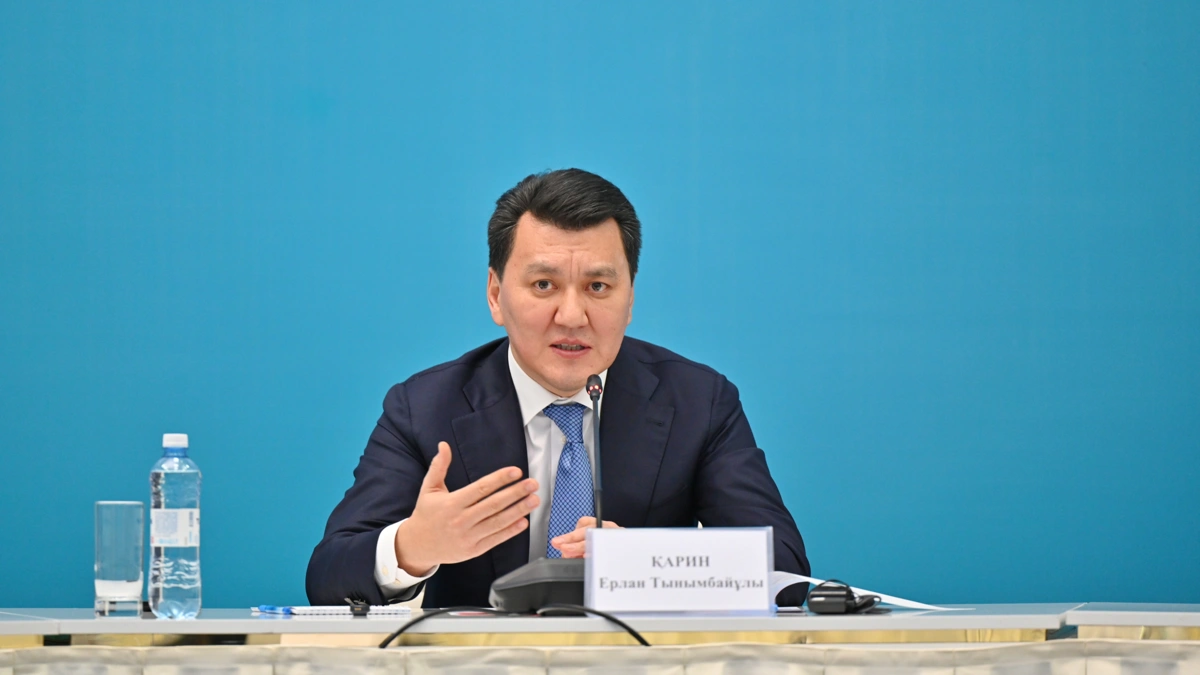
State Counselor Erlan Karin chaired the fourth meeting of the Working Group on Parliamentary Reform in Astana, Qazinform News Agency cites the Akorda press service.
The Working Group was established by Presidential Decree on October 8, 2025. The first meeting with the President's participation took place on October 14. On the same day, at the President's instruction, a special section titled "Parliamentary Reform" was opened on the state platform e-Otinish and the eGov service to collect proposals from citizens on improving the parliamentary system.
At the second meeting on December 2, the Group discussed how the new Parliament will be formed.
On December 29, the third meeting focused on the mechanisms of the legislative process for the future Parliament.
State Counselor Karin noted that the upcoming reform has undergone nearly six months of broad public discussion.
As Erlan Karin emphasized, the Parliamentary reform is part of the large-scale political modernization initiated by the Head of State. It includes the four packages of political reforms implemented between 2019 and 2021 and the 2022 Constitutional reform. In general, all presidential reforms are designed to bolster the state's institutional resilience and adapt the political system to contemporary conditions.
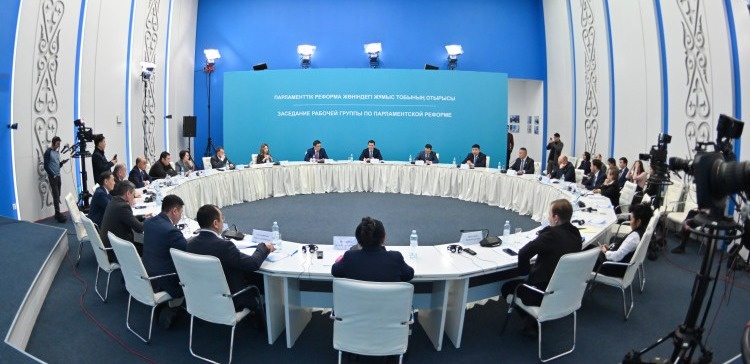
The Director of the Institute of Parliamentarism, Natalya Pan, presented a summary of proposals received from citizens, experts, and public activists. Through the special section "Parliamentary Reform" on the e-Otinish and eGov platforms, the Working Group has received over 500 proposals from citizens, representatives of the expert community, and civic associations.
The main topic of the session was the consideration of the interaction between the future Parliament and other institutions of power, as well as the naming of the new unicameral legislative body.
The Deputy Head of the Working Group — Assistant to the President on Legal Issues, Yerzhan Zhienbayev, outlined general approaches to establishing the powers of the future Parliament in its interaction with other institutions of state power, developed based on proposals from Working Group members and political parties.
Participants highlighted the scale of the upcoming Constitutional amendments, noting they will boost legislative efficiency and significantly upgrade the entire framework of interaction between key state institutions.
Following the meeting, the Head of the Working Group — the State Counselor, Erlan Karin, instructed to summarize and analyze all the proposals received.
The Working Group will continue to develop phased approaches for improving the parliamentary system during its upcoming sessions.