Rare 6th-century artifact discovered at Karakabak archaeological site in Kazakhstan
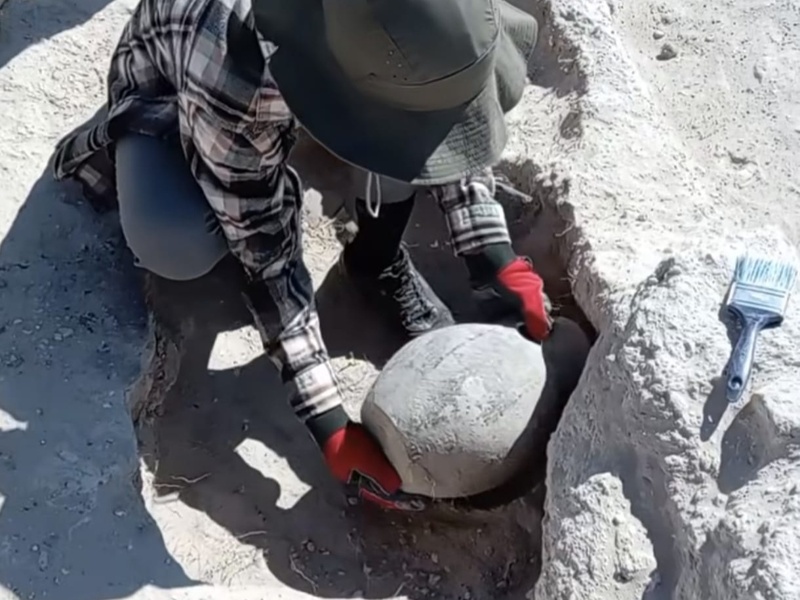
A rare historical artifact, an ancient ceramic jug, has been discovered during archaeological excavations at the ancient settlement of Karakabak in Kazakhstan’s Mangistau region, Qazinform News Agency reports.
The find, according to preliminary assessments by researchers, dates to the 6th century AD.
Archaeologist Andrey Astafyev announced the discovery on social media, noting that initial analysis indicates the jug was crafted by local artisans.
According to the expert, a comprehensive study of the artifact could yield valuable new insights into the inhabitants’ daily life, traditions, and the level of craftsmanship in the ancient settlement.
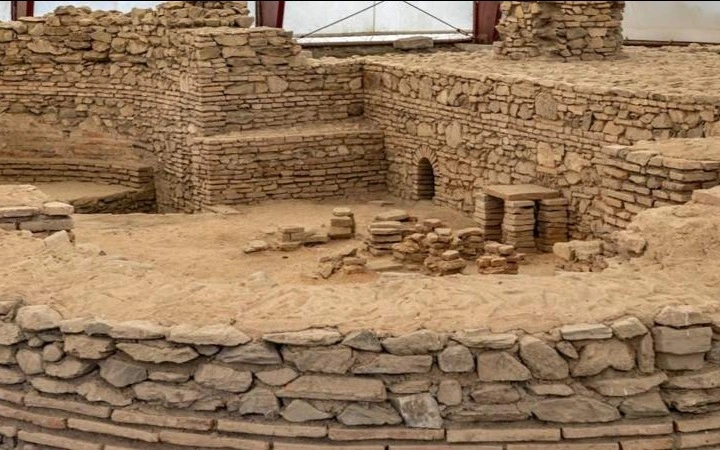
Karakabak settlement is regarded as one of the most significant and distinctive archaeological sites in the Mangistau region. The ancient town is located near the village of Tauchik and was inhabited from approximately the 1st to the 6th centuries AD.
Researchers say the discovery of Karakabak fundamentally reshaped understanding of Mangistau’s history. The discovery proved that ancient Mangyshlak was not solely home to nomadic communities but also hosted a thriving urban culture.
Earlier, Qazinform News Agency reported that specialists from the Archaeology Department of the Abish Kekilbayuly Mangistau Regional Museum of Local History, together with researchers from the Margulan Institute of Archaeology, had begun archaeological excavations at the ancient settlement site of Karakabak.