Kazakh archeologists unearth settlement dating back to Turkic Khaganate epoch
Archaeologists from the Al-Farabi Kazakh National University unearthed a settlement dating back to the first Turkic Khaganate during extensive fieldwork in the Zaisan basin of East Kazakhstan, Qazinform News Agency reports.

According to the Science and Higher Education Ministry, the research was conducted as part of a scientific project focused on the archaeological landscapes of the Zaisan basin, supported by a grant from the Kazakh science committee.
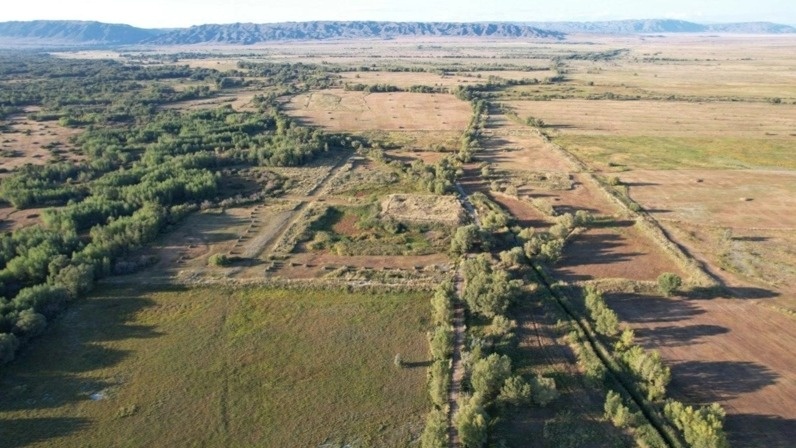
During the expedition, researchers conducted a comprehensive study of the Kalzhyr settlement, situated between the villages of Kalzhyr and Boran. Covering more than 25 hectares, the site is one of the largest archaeological monuments in the area.
Excavations revealed the remains of major fortifications in the southern section of the settlement, many of which appear to have been destroyed by fire. Archaeologists also found traces of residential structures, clay floors, decorated plaster fragments, and construction materials made from reed and clay.
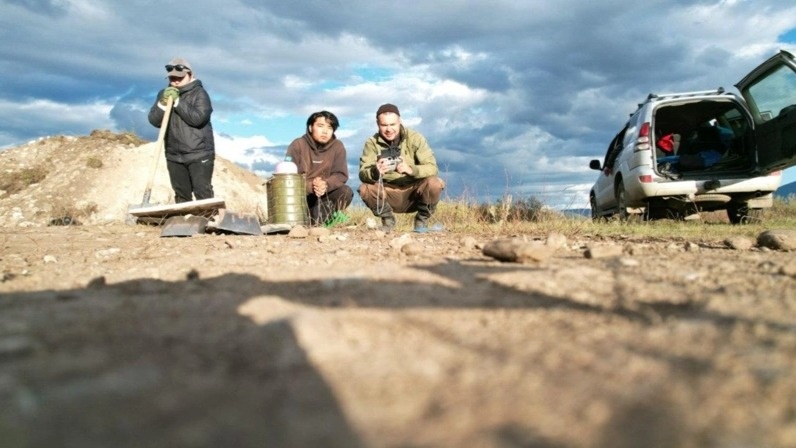
Radiocarbon analysis and archaeological evidence date the settlement to the 6th and 7th centuries AD. Preliminary findings suggest it was built during the period of the first Turkic Khaganate.
Among the artifacts discovered were charred grains of wheat and legumes, ceramic vessels, and a rare ceramic bird figurine containing a rattle.
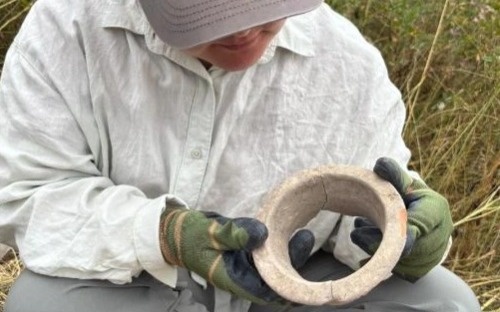
Researchers also found a kereksur burial structure dating to the Late Bronze Age. According to expedition head Nikita Konstantinov, the discovery expands current understanding of the western extent of such monuments, which are primarily found in Xinjiang and Mongolia.
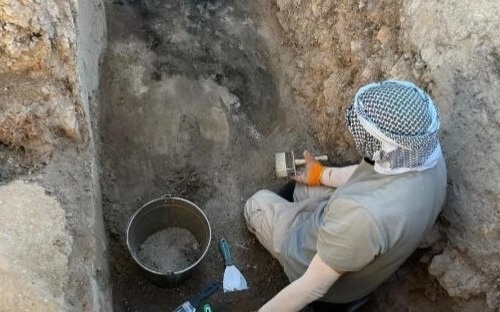
The data collected during the project will be used to develop digital models and a regional geographic information system. The expedition involved scholars and students from the Al-Farabi Kazakh National University, as well as specialists from the Serikbayev East Kazakhstan Technical University and the Margulan Archeology Institute.
The fieldwork also provided young researchers with hands-on training in modern archeological surveying techniques, including aerial and thermal imaging.
Earlier reports highlighted archaeologists uncovered evidence of a major Golden Horde-era structure at the site of the Zhantai tract in northern Kazakhstan.