

Archaeological excavations begin at medieval Zhankent settlement in Kazakhstan
Archaeological excavations started at the medieval settlement of Zhankent in Kazaly district of Kyzylorda region, a site of national importance, Qazinform News Agency reports.
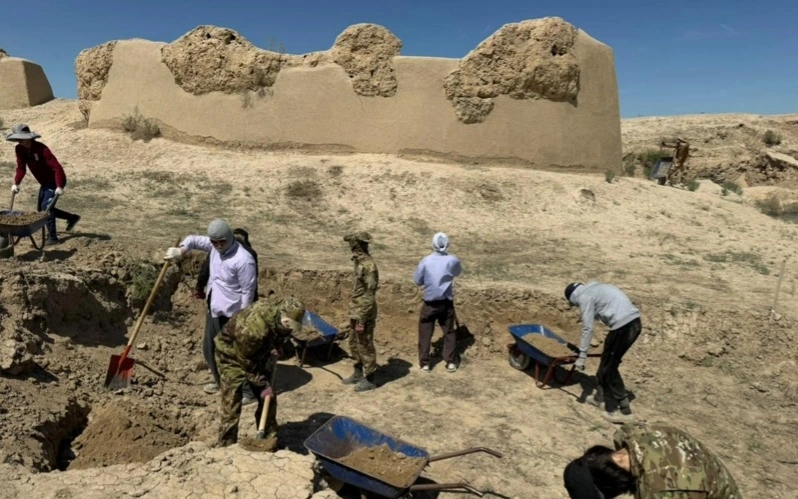
The work is being carried out with the support of the regional akimat (administration).
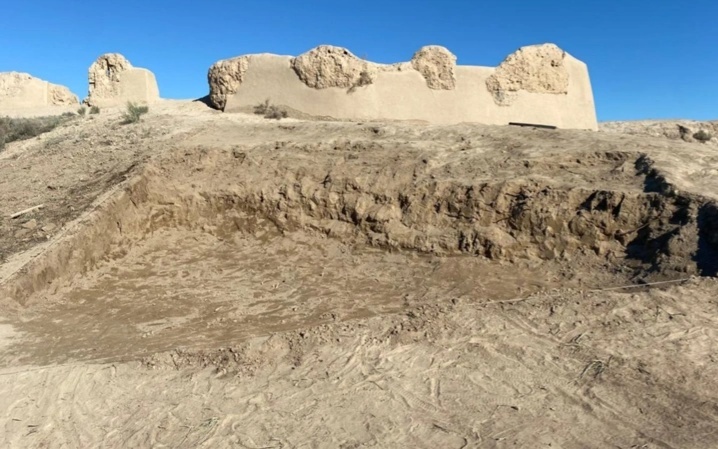
According to the regional center for historical and cultural heritage preservation, specialists from the Archaeology and Ethnography Scientific Center of the Korkyt Ata Kyzylorda University, along with archaeologists, students, and heritage experts, are involved.
Excavations at Zhankent have been funded by the regional budget since 2014. There were unearthed defensive walls and towers, residential houses and construction sites, and ceramic kilns.
One of the reconstructed rooms with historical figures now allows tourists to see the daily life of the Oghuz era.
A road was built to the site, and the protected area was fully fenced.
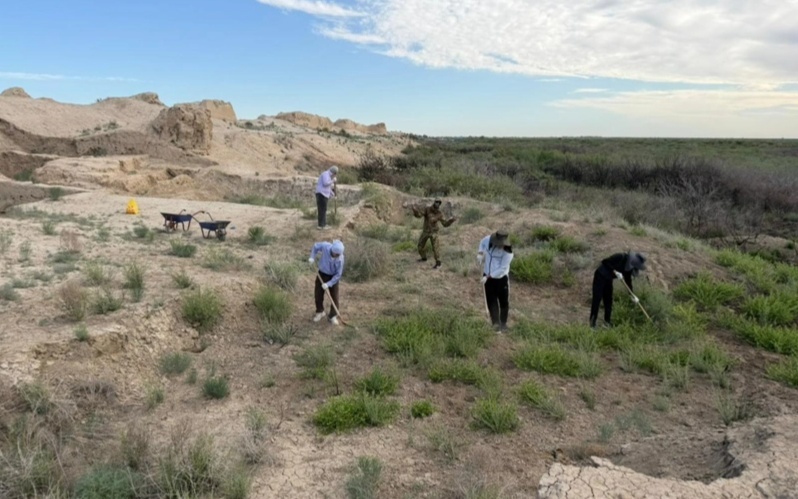
In 2019–2020 and again in 2025, the Culture and Sports Ministry restored the eastern defensive wall and citadel gates. Current excavations will focus on the eastern gates and the shakhristan of the ancient settlement.
According to historians, Zhankent was a political center of the Oghuz state, strategically located between nomadic and agricultural lands, serving as a corridor linking the Oghuz with Khorezm, Mavarannahr, and Khorasan.
The ancient site is included in the UNESCO World Heritage List under the nomination Silk Roads: Fergana–Syrdarya Corridor and is recognized as a national sacred site.
In 2019, the settlement was fully fenced, a stele was installed, and information was added to the interactive 3D map of Kyzylorda’s cultural heritage. A QR-coded plaque was also placed on-site.
Notably, archeologists discovered coins dating back to reign of Mengu-Timur in Atyrau region.