

2,000-year-old city in Mangistau region reveals Silk Road legacy
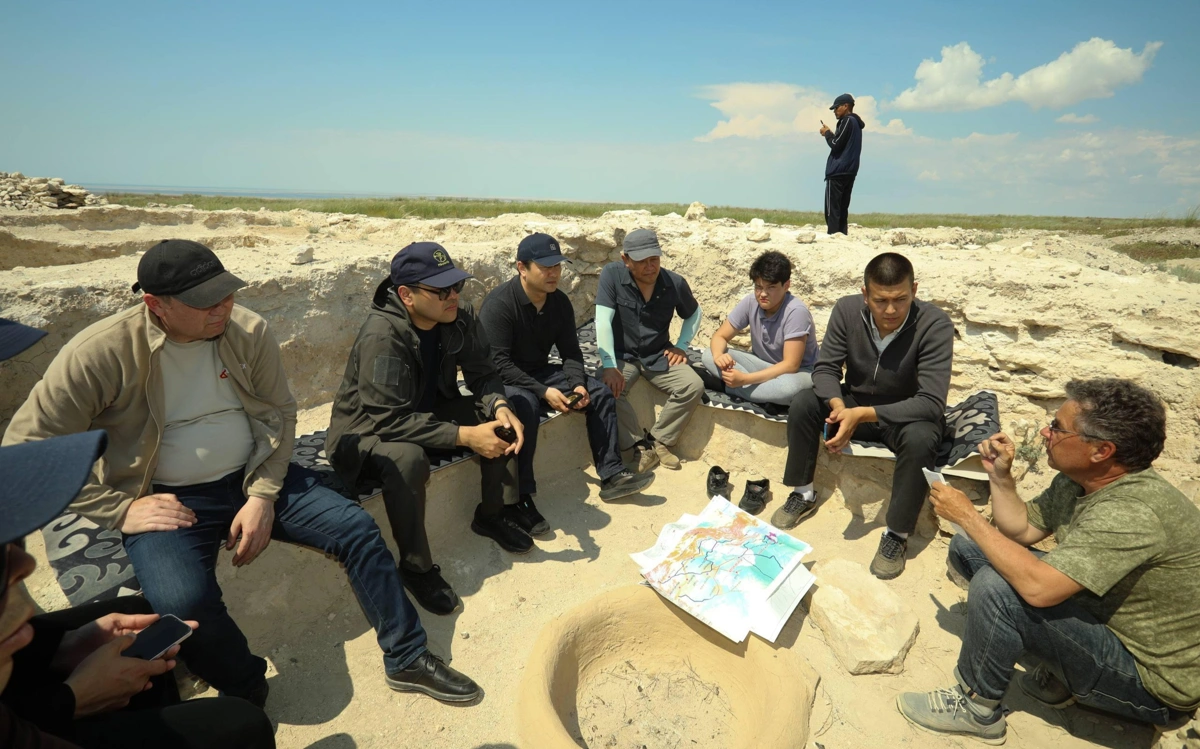
Mangistau region governor Nurdaulet Kilybay, together with Akan Ongaruly, Director of the Margulan Archeology Institute, and archaeologist Andrey Astafyev, visited the Karakabak settlement in Tupkaragan district, Qazinform News Agency reports.
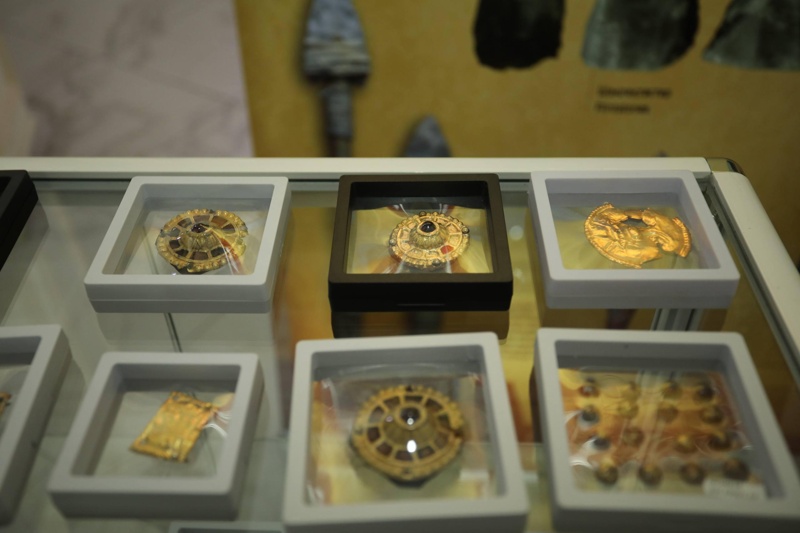
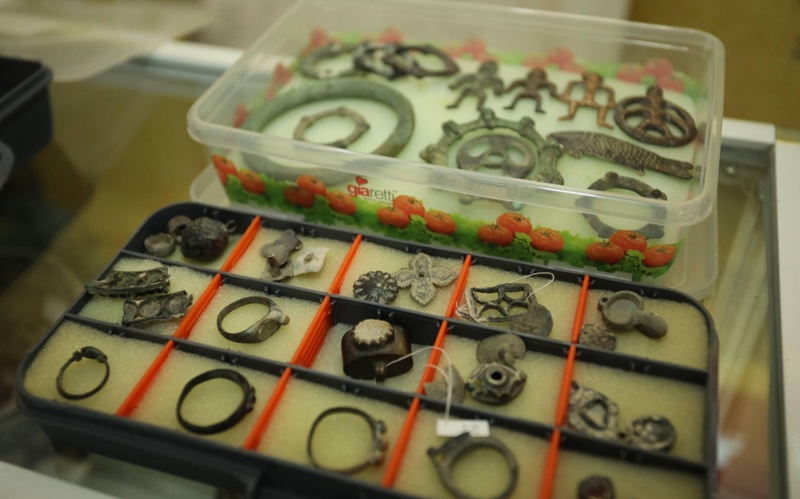
According to the regional akimat (administration) press service, the governor reviewed unique historical artifacts unearthed during excavations at Karakabak, now preserved in the Abish Kekilbayuly Mangistau Regional Museum of History and Local Lore.
The delegation then toured the archaeological site to survey research findings and debate prospects for further cooperation.
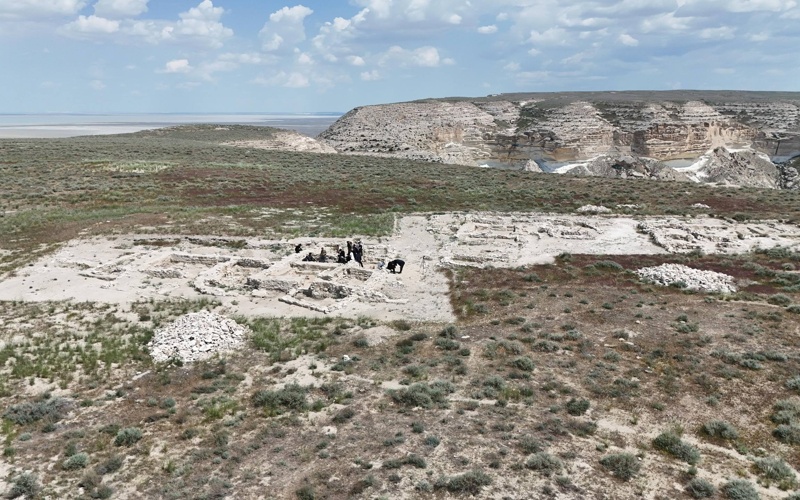
Scholars believe Karakabak was one of the major trade and craft centers of the 1st–6th centuries AD. Excavations confirm that about two thousand years ago, major international trade routes passed through what is now Mangistau.
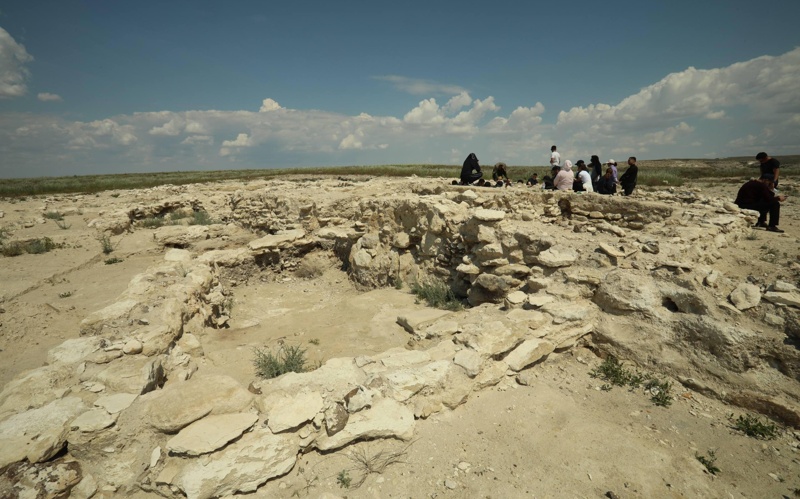
The settlement played a strategic role as both a maritime and land hub along the northern branch of the Great Silk Road, facilitating trade, economic, and cultural ties between Caspian states.
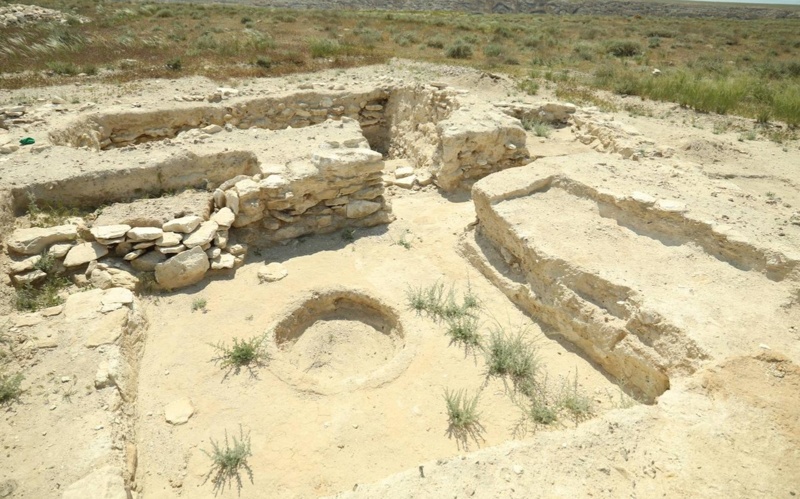
Artifacts found at Karakabak include coins, seals, ceramics, and other items showing close connections with Byzantium, Persia, India, Rome, and China. Archaeologists also uncovered traces of an ancient port, workshops, and evidence of active maritime trade, highlighting the advanced urban culture and economy of the region in antiquity.
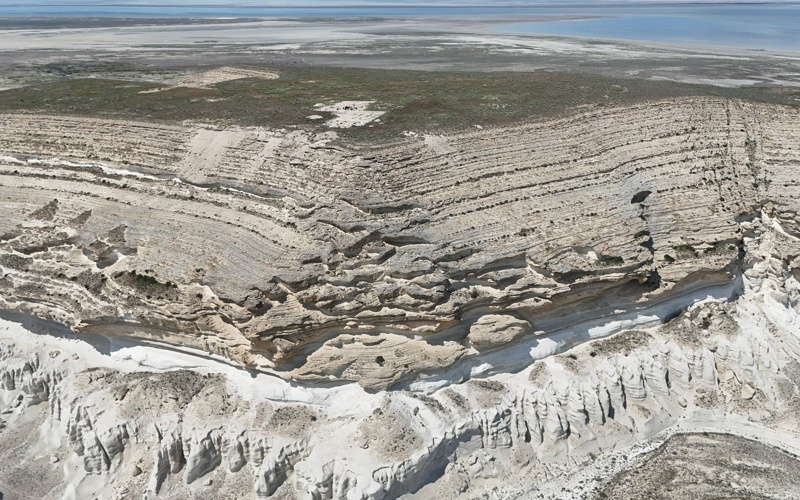
Governor Kilybay emphasized the exceptional historical importance of Karakabak, noting that new discoveries reshape the understanding of Mangistau’s role in world civilization.
Karakabak is convincing proof that Mangistau was once a vital center of civilization, international trade, and cultural exchange. These findings show that the people of the Great Steppe were not only nomadic herders but also city-builders engaged in global trade and cultural processes of their time.
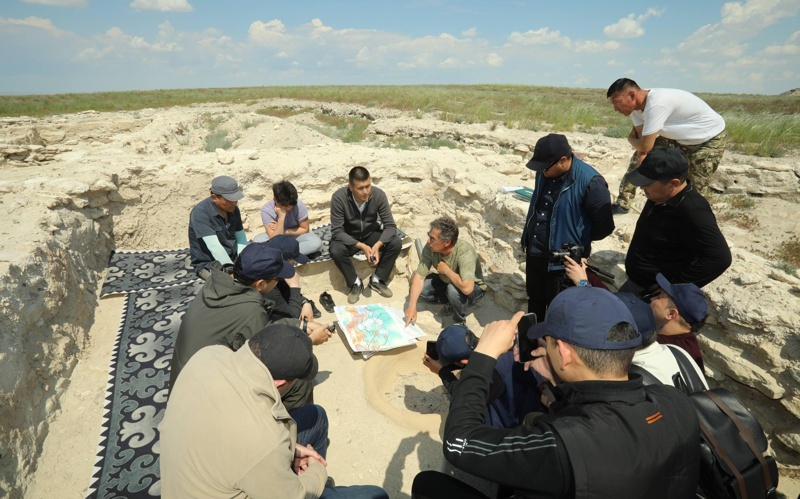
Specialists also proposed developing archaeological tourism in the region, including plans for a scientific base, an open-air museum, modern tourist infrastructure, and guided routes.
These initiatives aim to promote Mangistau’s rich historical heritage, enhance its tourism appeal, and stimulate scientific and cultural tourism. The regional administration and the Archaeology Institute agreed to continue joint work on archaeological research, preservation, and promotion of the region’s cultural legacy.
Noteworthy, archaeologists in Zhetysu region of Kazakhstan discovered unique gold ornaments, bronze and bone items, and ceramics dating back to the 4th–3rd centuries BCE during excavations of burial mounds at the Dauylbai necropolis, located at the foot of the ridge in Karatal district.