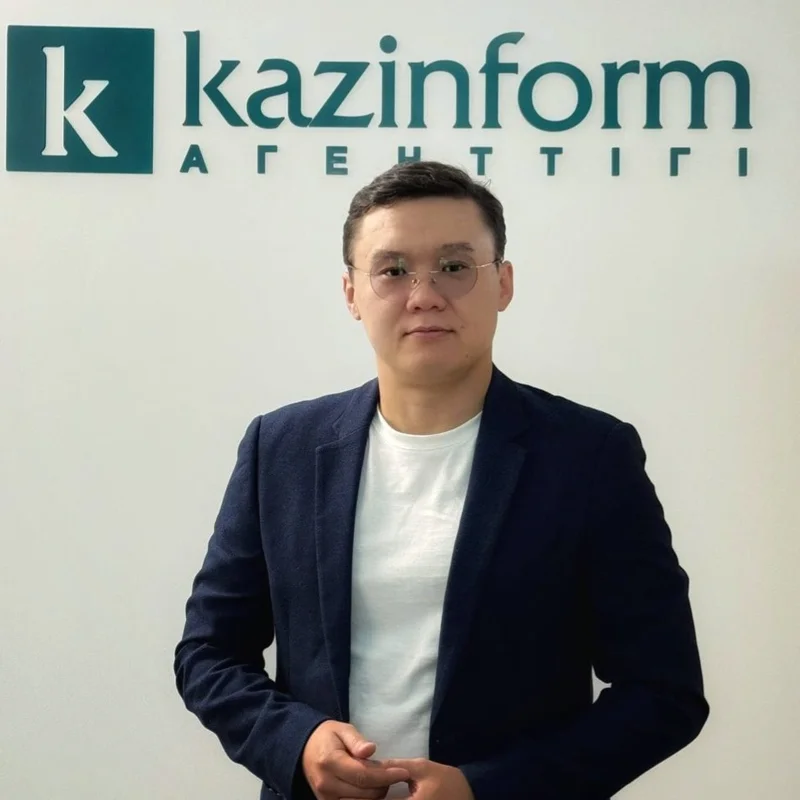
Turkic World entering new phase of integration and global relevance, says OTS Secretary General
Ahead of the Informal Summit of the Organization of Turkic States (OTS) set to take place in Turkistan on May 15, OTS Secretary General Kubanychbek Omuraliev spoke to Qazinform News Agency about the Organization’s growing regional and global role.

In the interview, he discussed the transformation of the OTS into a full-fledged international organization, the development of the Middle Corridor, digital integration, security cooperation, and the future of the Turkic world amid shifting geopolitical realities. He also highlighted Kazakhstan’s role in advancing Turkic cooperation and outlined the key expectations from the upcoming summit focused on artificial intelligence and digital development.
– Since its establishment, what concrete impact do you think the Organization of Turkic States has achieved at the regional and global levels? What qualitative changes has the transformation from a Council format into a full-fledged Organization brought to integration processes?
I would say that the Organization of Turkic States is a clear example of how an idea of cooperation can evolve into a practical and working structure. In a relatively short period of time, starting from the Nakhchivan Agreement in 2009, we have moved from a concept to a fully-fledged international organization.
A key turning point, of course, was the Baku Summit in 2019, when Kazakhstan initiated the transformation of the Council into the Organization and proposed to adopt the strategic document “Turkic World Vision-2040”. These initiatives were later formalized at the Istanbul Summit in 2021, strengthening the institutional framework and paving the way for more systematic and long-term cooperation.
Today, OTS covers around 60 areas including economy, trade, agriculture, transport, tourism, education, science, culture, digital economy, green energy, and even space. So, the cooperation has really become comprehensive.
At the same time, the region itself has significant potential with around 175 million people and a combined GDP of over $2,4 trillion. We are also seeing stronger economic ties and growing trade between member and observer states.
What is particularly important is that we are moving from declarations to practical results. We now have concrete mechanisms such as the Turkic Investment Fund, the Trade Facilitation Committee and TURAN Special Economic Zone, which are already supporting real projects and business cooperation. At the same time Kazakhstan as the Chair of the Union of Turkic Chambers of Commerce and Industry (TCCI) is actively working on proper institutionalization and increasing efficiency of TCCI.
With the aim to avoid duplication and increase efficiency, Kazakhstan has also initiated the establishment of the Coordination committee of the Turkic Cooperation Organizations.
In the transport sector, the development of the Middle Corridor is improving connectivity between Asia and Europe, while digital solutions like eTIR are helping to simplify and speed up cross-border procedures.
At the same time, we are strengthening cooperation in digitization and security, including through the Digital Economy Partnership Agreement and the establishment of a Civil Protection Mechanism to better coordinate responses to emergencies.
We are also making steady progress in areas such as education, culture, and tourism, which play an important role in strengthening people-to-people ties. Projects like the “Modern Silk Road”, “Tabarruk Ziyarat” and the “Tourism Capital of the Turkic World” as well as the Union of Turkic Ski Resorts, help increase the region’s visibility and strengthen connections between our countries. Platforms like TURKUNIB, which brings together over 180 universities, are further deepening academic cooperation. In this regard, I would like to highlight active role of the Akhmet Yassawi International Kazakh Turkish University in the above-mentioned platform.
Importantly, this process of transformation and deepening cooperation continues to gain momentum. In this regard, the upcoming Informal Summit of the Heads of State of the OTS, to be held on 15 May 2026 in Turkistan under the theme “Artificial Intelligence and Digital Development,” is expected to further strengthen cooperation in innovation, digital transformation, and emerging technologies.
Last but not least, the political and security coordination and cooperation among the Turkic States are strengthening year by year. Reinforced by the regional and global developments, the Turkic States have developed mechanisms to embolden their internal consultations in the face of new risks and challenges that may affect them in order to form a common position. In that regard, high-level strategic documents such as Turkic World Vision-2040, OTS Strategy, Astana Act, and Charter of the Turkic World were adopted as the main guidelines of the Organization. Moreover, the OTS countries have signed critical international agreements to intensify their political solidarity and affinity.
One more critical political achievement I wish to touch upon: Due to the frequently held OTS Summits bringing together the leaders of the Turkic States, allowing them to hold consultations all critical matters in their bilateral and multilateral agenda concerning the Turkic World, mutual trust and solidarity among our leaders, peoples, and bureaucracies have increased to levels unmatched with the past. This reality unraveled a new page in the relations of the brotherly Turkic States. The OTS stirred up the emotions in the Turkic World for a common future.
So overall, I would say the main change is that the OTS has moved beyond being just a platform for dialogue. Today, it is a functioning integration structure that operates as a functioning integration structure with growing regional and international relevance. For the first time in history Turkic States formed an international organization with its own values and identity.
– You referred to the Informal Summit in Turkistan. What key decisions or initiatives are expected to be agreed upon?
As previously noted, the upcoming Informal Summit in Turkistan represents an important opportunity to further advance our shared priorities within the OTS.
We anticipate that the Summit will contribute to strengthening consensus among Member States and result in the adoption of the Turkistan Declaration, as well as other decisions aimed at enhancing cooperation across key areas of mutual interest.
This year’s thematic focus on artificial intelligence and digital transformation reflects the growing importance of these issues for inclusive economic development, effective governance, and international cooperation.
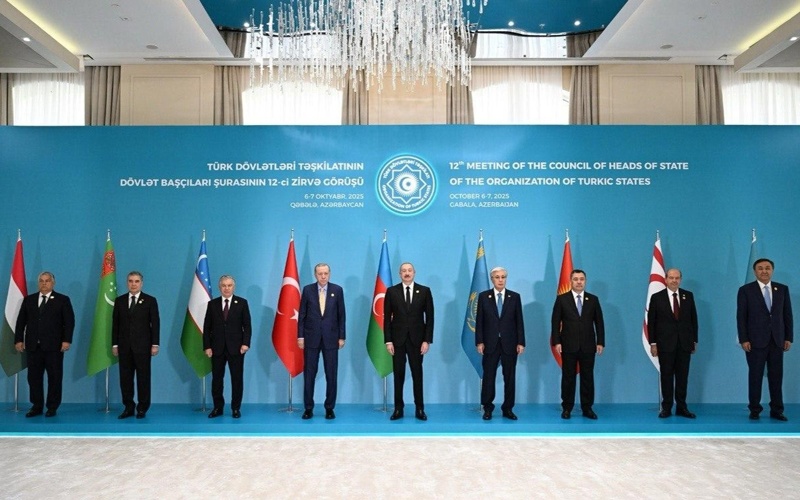
The Summit will also provide an opportunity to review progress achieved since the Gabala Summit of October 2025, and to reaffirm our collective commitment to the effective implementation of decisions already taken at the highest level.
Overall, the Summit is expected not only to advance strategic dialogue, but also to promote practical and result-oriented initiatives. It will further reinforce the institutional effectiveness of the OTS and enhance its role as a dynamic platform for dialogue, coordination, and cooperation in an increasingly interconnected and rapidly evolving global environment.
– What is the main advantage of the OTS today? Is it cultural and humanitarian cooperation, or economic and political cooperation?
I would not separate these two dimensions. In fact, the main advantage of the Organization of Turkic States lies precisely in its ability to bring them together in a unique and complementary manner.
On the one hand, the OTS is built upon a strong cultural and humanitarian foundation. Our Member States share centuries-old historical bonds, common linguistic roots, and deep cultural ties. This is not a relationship shaped merely by converging interests, but one grounded in a sense of brotherhood and shared identity. In this regard, specialized Turkic cooperation institutions such as TURKSOY, the Turkic Academy, and the Turkic Culture and Heritage Foundation play an important role in preserving our shared heritage, advancing academic and cultural cooperation, and strengthening people-to-people ties.
On the other hand, this deep-rooted trust significantly enhances the effectiveness of our economic and political cooperation. It enables our countries to act with greater cohesion, accelerates decision-making processes, and facilitates the implementation of joint initiatives in key areas.
What truly distinguishes the OTS, therefore, is its dual nature: it is not only a platform for pragmatic cooperation, but also a community shaped by shared values and identity. This combination makes our integration more organic, resilient, and sustainable.
In all our Member States, one can feel strong and sincere public support, which makes the OTS an exceptional regional organization.
Moreover, in today’s evolving geopolitical landscape, the OTS, with its vast geography, occupies a unique position at the intersection of East and West – both economically and politically. It serves as a bridge connecting regions, markets, and cultures, while promoting dialogue, stability, and mutual prosperity.
In this context, the OTS is increasingly emerging not only as a framework for cooperation among its members, but also as a source of peace, stability, and constructive engagement for the wider region and beyond.
– What is the current budget of the Turkic Investment Fund (TIF) established within the OTS? Which countries have made the largest contributions to its formation?
The Turkic Investment Fundis the first joint financial institution of the Turkic States, established to strengthen economic cooperation and support joint development projects across the region.
Its authorized capital currently stands at $600 million. It was initially set at $500 million and later increased to $600 million following Hungary’s participation in the process. All member states contribute to the formation of the Fund on an agreed and balanced basis, reflecting the principle of equal partnership within the Organization.
The Fund focuses on financing strategic projects that promote economic growth, strengthen connectivity, and enhance regional competitiveness. Its priority areas include SMEs, infrastructure (digital and physical), renewable energy, ICT, transport and logistics, agriculture, cross-border trade, and tourism, in line with the national priorities of member states.
– Is there any consideration of expanding a visa-free regime among Turkic states or introducing free movement for labor migration? How possible is this in general? What initiatives are being considered to enable citizens of member states to work freely in the territories of other member countries?
Facilitating mobility among citizens of the Turkic States is an important and natural component of our broader integration agenda. It reflects the long-term vision of building a more connected, people-centered space across the Turkic world.
In this context, we are actively working on the Turkic ID Project, which is a key initiative aimed at enabling citizens of Member States to use their national ID cards instead of passports for certain border-crossing procedures. This would significantly simplify travel, enhance mobility, and further strengthen people-to-people contacts.
In practice, this concept is not entirely new. Similar arrangements already exist in bilateral formats, such as between Azerbaijan and Türkiye, Kyrgyzstan and Kazakhstan, and Kyrgyzstan and Uzbekistan. Türkiye’s experience in accepting national ID cards from a number of countries also serves as a useful reference point.
Beyond mobility itself, the initiative is expected to have a broader impact. It could support tourism development, including cultural routes and initiatives under the OTS, facilitate transport and connectivity, and further strengthen academic, business, and social exchanges across our region.
At the same time, mobility and labour cooperation are closely linked to our broader work in the field of social policy and labour market development. The OTS is actively promoting closer coordination among Member States to build inclusive, resilient, and sustainable labour and social protection systems.
In this regard, the outcomes of the Meeting of the OTS Ministers of Labour, Employment and Social Protection held last year have laid an important foundation for future cooperation.
Our efforts focus on key areas such as enhancing cooperation on employment policies and labour market development, promoting the mutual recognition of qualifications and skills, supporting workforce mobility in a gradual and well-structured manner, and strengthening social protection frameworks across Member States.
Overall, what we are building is not merely easier travel, but a more integrated human space – where mobility, employment opportunities, and social protection systems evolve in a complementary manner, contributing to deeper integration and shared prosperity across the Turkic World.
– In the current complex geopolitical environment and amid the growing importance of alternative routes between Asia and Europe, what steps are the OTS Member States taking to further develop the Middle Corridor and deepen transport and logistics cooperation?
In the current complex geopolitical environment, the importance of the Middle Corridor has increased significantly. Ongoing conflicts in neighboring regions are negatively affecting traditional transport routes, creating additional risks for global supply chains and increasing demand for reliable, resilient, and diversified transport networks between Asia and Europe.
Against this backdrop, the Member States of the Organization of Turkic States are undertaking comprehensive measures aimed at further developing the Middle Corridor and strengthening transport and logistics cooperation. Today, the Middle Corridor is regarded not only as an alternative route between East and West, but also as a strategic bridge ensuring the resilience of transport connectivity, economic interdependence, and regional security.
In recent years, the OTS Member States have been actively investing in the modernization of transport infrastructure, the expansion of the capacity of Caspian Sea ports, and the development of railway routes and multimodal transportation. In particular, the Baku–Tbilisi–Kars railway has already demonstrated its efficiency by contributing to the growth of transit transportation and significantly reducing cargo delivery times.
The implementation of the China–Kyrgyzstan–Uzbekistan railway project is also of particular importance, as it will provide direct connectivity to the Middle Corridor and open up new opportunities for trade, transit, and regional integration. Alongside this, the development of the Zangezur Corridor, as well as the construction of the Kars–Iğdır–Aralık–Dilucu railway line, is of strategic importance, as these projects will create additional transit opportunities and further strengthen the position of the Middle Corridor within the global transport architecture.
It is noteworthy that in 2025, cargo volumes transported along the Middle Corridor increased by 62%, reaching 4.7 million tons compared to 2.7 million tons in 2023. The measures currently being implemented are expected to increase the corridor’s capacity to up to 10 million tons annually by 2030.
Alongside infrastructure development, particular attention is being paid to the simplification and digitization of transport and customs procedures. Within the OTS, such mechanisms as e-Permit, e-CMR, and e-TIR are being actively promoted in order to accelerate border crossing procedures, enhance transparency, and reduce administrative barriers.
The e-Permit system is already being successfully implemented within the OTS framework, while work on the implementation of e-TIR is being carried out in close cooperation with the customs administrations of the Member States. In February this year, an Extraordinary Meeting of the Heads of Customs Administrations of the OTS was successfully held in Geneva, dedicated to advancing the implementation of the e-TIR system.
Important progress has also been achieved in the area of e-CMR. The Working Group established between Azerbaijan and Türkiye is currently conducting pilot test connections, the results of which are expected to contribute to the broader implementation of the system among the OTS Member States. In this context, the signing of the Memorandum of Understanding on the implementation of e-CMR following the Meeting of the Ministers of Transport of the OTS held in Bishkek in April this year plays an important role and will provide a solid basis for accelerating this process further.
In addition, the OTS Member States are placing particular emphasis on the establishment of joint logistics centers, terminals, and transport and logistics companies.
All these measures are aimed at transforming the Middle Corridor into one of the most efficient, secure, and competitive transcontinental routes between Asia and Europe.
– To what extent do you think security issues are institutionalized within the Organization?
In recent years, security cooperation has increasingly emerged as an important dimension of the work of regional and international organizations, in response to evolving global and regional challenges, shifting geopolitical dynamics, and the changing global security environment. The fact that the last regular OTS Summit held in Gabala in October 2025 was dedicated to the theme of “Regional Peace and Security” is a clear testament to this change within the OTS.
Indeed, security cooperation is clearly reflected in key strategic documents such as the Turkic World Vision 2040 and the OTS Strategy 2022–2026, which both highlight the importance of closer coordination in political and security matters. Over recent years, the OTS has already developed a number of practical mechanisms to support this goal. Regular meetings at different levels – Heads of Government or Vice Presidents, Foreign Ministers, Presidential Foreign Policy Advisors, and Deputy Ministers – help ensure continuous dialogue and coordination on emerging issues affecting shared interests.
In parallel, cooperation is also developing through specialized formats, including meetings of National Security Councils, Defense Industry Institutions, and Special Services. These platforms allow member states to exchange views on regional and global security developments and gradually align their approaches to common challenges. While the OTS is not a military alliance, these steps show that a more structured security dialogue is clearly taking shape.
A strong signal of this trend came with the Gabala Declaration, where member states reaffirmed their intention to strengthen security cooperation. This was also reflected in the leaders’ statements at the Summit, which emphasized the need for coordinated responses to growing security risks, including humanitarian crises, and the importance of adapting together to a rapidly changing international environment.
In this broader context, cybersecurity is becoming an increasingly important pillar of cooperation. As digitization accelerates, cybersecurity is becoming an essential pillar of national security, economic stability, and regional resilience. In this regard, the initiative of H.E. President Tokayev to establish a Cybersecurity Council within the OTS is both timely and highly relevant. Currently we are working to finalize the relevant MoU on Cybersecurity Cooperation among the OTS countries and to establish the Cybersecurity Council as soon as possible.
Recent initiatives further underline this momentum. H.E. President Ilham Aliyev’s proposal to enhance unity among Turkic states, including through deeper cooperation in defense and military-technical areas, points to a more ambitious direction for the future. His suggestion to hold joint military exercises in Azerbaijan in 2026 is a concrete example of this evolving agenda.
Progress is also visible in the defense industry field. Following the first meeting of the Heads of Defense Industry Institutions in Istanbul in July 2025, Azerbaijan will host the second meeting in Baku in 2026, with the aim of strengthening cooperation in defense production and technological development. In addition, the upcoming meeting of Security Council Secretaries in 2026 will further support strategic coordination among member states.
Other initiatives, such as Uzbekistan’s proposal to institutionalize regular meetings between Foreign Ministers and Heads of Special Services, as well as Kyrgyzstan’s idea for forming a Law Enforcement mechanism to jointly address terrorism, extremism, cyber threats, and transnational crime, show that there is a growing willingness to move from dialogue to more practical cooperation.
Overall, security issues within the OTS are gradually becoming more institutionalized, evolving from ad hoc consultations into a more structured and steadily developing system of dialogue and coordination at different levels. While the OTS is not a military alliance, security cooperation is increasingly embedded in our regular meetings, specialized formats, and key strategic documents.
– How the situation in the Middle East and the overall shift in the global balance affecting the OTS strategy?
This question is closely linked to the previous one, as the evolving security environment directly influences how regional organizations, including the OTS, adapt their approaches.
The situation in the Middle East, along with the broader shift toward a more multipolar world, is clearly reshaping the international environment in which we operate. These developments bring both challenges and new opportunities, particularly for regions that are closely interconnected, such as the Turkic World.
From the perspective of the Organization of Turkic States, our overall strategic direction remains stable. We are not changing our mandate; rather, we are adapting the way we implement it in practice. In an increasingly complex and less predictable environment, coordination among Member States naturally becomes more essential.
What we observe today is that dialogue and alignment are no longer optional – they have become a necessity. In this context, the OTS plays a practical and timely role as a platform where Member States can remain in close contact, exchange views, and, where possible, align their positions on issues of common concern.
We already see this in action. For example, at the Informal Meeting of the Council of Foreign Ministers of the OTS held in Istanbul in March 2026, Member States adopted a Joint Statement on developments in the Middle East, reflecting shared concerns and emphasizing the importance of stability, dialogue, and de-escalation.
Overall, the growing complexity of the global environment further underscores the importance of regional cooperation. In this regard, the OTS is becoming increasingly coordinated, responsive, and cohesive in advancing common positions and strengthening cooperation among its Member States.
– How do you envision the OTS evolving over the next 5–10 years?
As I approach the final months of my tenure, after serving nearly four years devoted to advancing the Turkic World and strengthening the Organization of Turkic States, I look to the future with a strong sense of confidence and optimism. Over recent years, the OTS has entered a new phase of development – one increasingly defined by tangible, result-oriented, and productive cooperation. The foundations have been laid, and I firmly believe that the coming years will witness the full realization of these efforts.
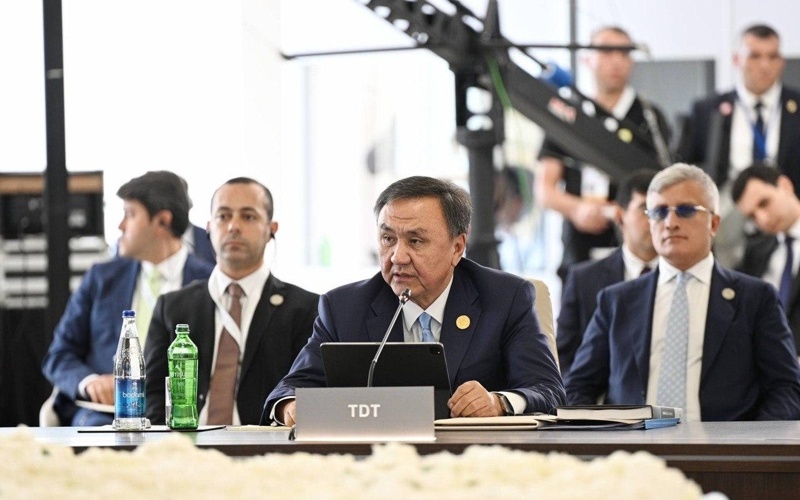
Looking ahead, I see the Organization evolving into a more integrated, results-driven, and globally visible platform that delivers concrete benefits to its Member States while contributing to regional stability and prosperity.
Our long-term direction is clearly defined in key strategic frameworks such as the Turkic World Vision–2040, the OTS Strategy, the Astana Act, and the Charter of the Turkic World. These documents collectively provide a comprehensive roadmap for deepening cooperation across political, economic, and human dimensions.
In line with the Turkic World Vision–2040, our overarching goal is to build a more cohesive Turkic space grounded in shared identity, solidarity, and mutual prosperity. This includes strengthening unity among Member States and Observers, enhancing economic integration, and promoting peace, stability, and sustainable development across the region.
From an economic perspective, the coming years will focus on advancing intra-regional trade, investment, and connectivity – particularly through strategic initiatives such as the Middle Corridor, the operationalization of the Turkic Investment Fund and TCCI, and the expansion of digital trade and logistics systems. The aim is to create a more integrated and competitive economic ecosystem across the Turkic region.
In line with the OTS Strategy, the next phase will emphasize effective implementation – ensuring that political decisions are translated into concrete projects, functioning mechanisms, and measurable outcomes. Key priorities will include digital transformation, innovation, green energy, and resilience in areas such as supply chains, food security, and public services.
The Charter of the Turkic World further reinforces our commitment to institutionalization and effective coordination. We will continue to strengthen the role of the Secretariat, enhance synergy among Turkic cooperation bodies, and improve the efficiency and visibility of our joint initiatives.
At the same time, the human dimension will remain at the heart of our integration process. Initiatives in education, youth engagement, cultural exchange, and mobility will continue to foster closer ties among our peoples.
Externally, OTS will further expand its global engagement through formats such as OTS+ and strengthened partnerships with international organizations, positioning itself as a constructive and reliable actor in the evolving international system.
Ultimately, I envision a more connected, resilient, and influential Organization – one that successfully combines its deep-rooted cultural foundation with modern, forward-looking cooperation mechanisms, and continues to deliver meaningful and lasting results for the Turkic World.
Earlier, Qazinform News Agency reported that the Akorda Press Service had announced preparations for the visit of Recep Tayyip Erdoğan and the Informal Summit of the lead