Turkic scholars reunite in Almaty a century after historic Baku Congress
In 1926, the First All-Union Turkological Congress convened in Baku, Azerbaijan. One hundred years later, scholars have gathered once again in Almaty to set new directions for the development of Turkology, Qazinform News Agency reports.

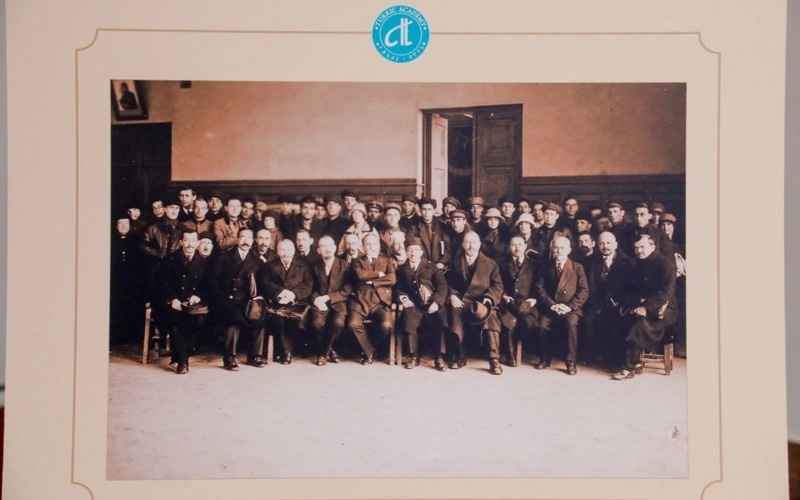
The first Turkological Congress, held in Baku in 1926, remains one of the most important and significant events in the history of the Turkic peoples of Eurasia, united by a shared history, ideas, language, and common tangible and intangible cultural heritage. Representatives of more than 32 Turkic nations participated in the Congress a century ago, coming from territories stretching from Altai and Siberia to the Balkans and Central Europe, where they discussed issues related to Turkic culture, languages, and alphabet for the first time.
President of the International Turkic Academy, Shahin Mustafayev, recalled that one of the most important and fateful decisions of the 1926 Congress was the transition of Turkic languages from Arabic script to the Latin alphabet. According to him, the Congress also addressed the formation of unified terminology among Turkic peoples, common Turkic history and culture, and laid the foundation for Turkology as a modern academic discipline.
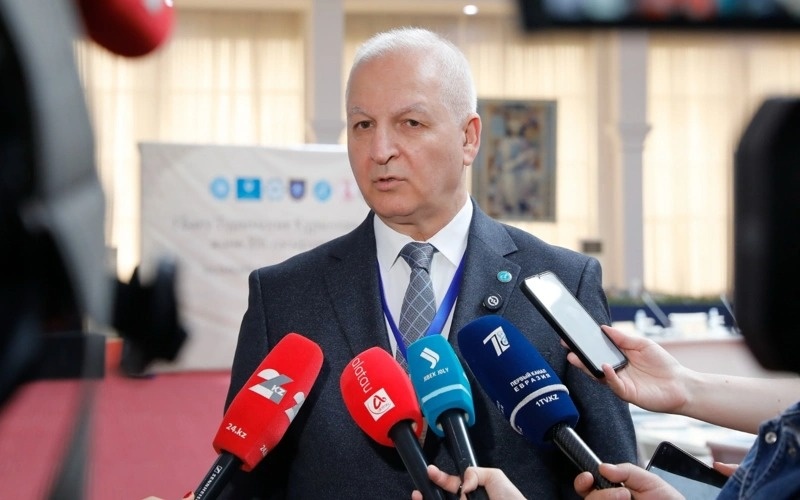
In the late 1930s, many participants of the 1926 congress faced political repression, yet organizers affirm that the work begun at that time remains alive today. On May 21-22, the International Turkic Academy, together with the Al-Farabi Kazakh National University and other partner organizations from Turkic countries, is holding a major international conference in Almaty dedicated to the 100th anniversary of the Baku Congress. Scholars from Kazakhstan, Kyrgyzstan, Uzbekistan, Turkmenistan, Azerbaijan, and Turkiye, as well as Turkologists from the United States and European countries, have gathered for the event.
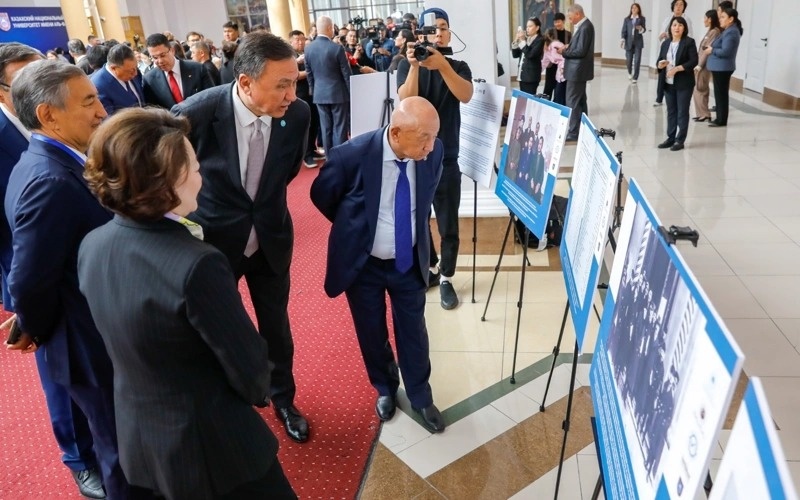
“Here in Almaty, we will discuss the very same issues that were placed on the agenda by our predecessors in Baku 100 years ago. These include the common Turkic alphabet, shared history and culture, and the future directions of Turkology as a science. I hope that this conference in Almaty will contribute to the further development of Turkology and strengthen ties among Turkic peoples, and that we will be able to discuss the formation of common terminology,” said Shahin Mustafayev.
According to President of the International Turkic Culture and Heritage Foundation Aktoty Raimkulova, on December 15, 2026,UNESCO Headquarters in Paris will host the International Turkological Symposium. At the same time, cultural centers of Turkic countries in Paris will hold concerts, exhibitions, and book presentations. The date was chosen deliberately: December 15 was declared the Turkic Language Family Day by UNESCO.
“Now, while working at the foundation’s headquarters in Baku, I observe with admiration how Turkic peoples have preserved their cultural and historical heritage despite the fact that 130 out of the 131 delegates elected from the Turkic Soviet republics to the 1926 congress were later repressed. For nearly 65 years after the Baku Congress, pursuing Turkology could jeopardize a scholar’s career, even though Turkic culture and heritage continued to be studied around the world. Had the landmark decisions and paths outlined at the Baku Congress received a broader support, Turkology today might stand at an entirely different level,” said Aktoty Raimkulova.
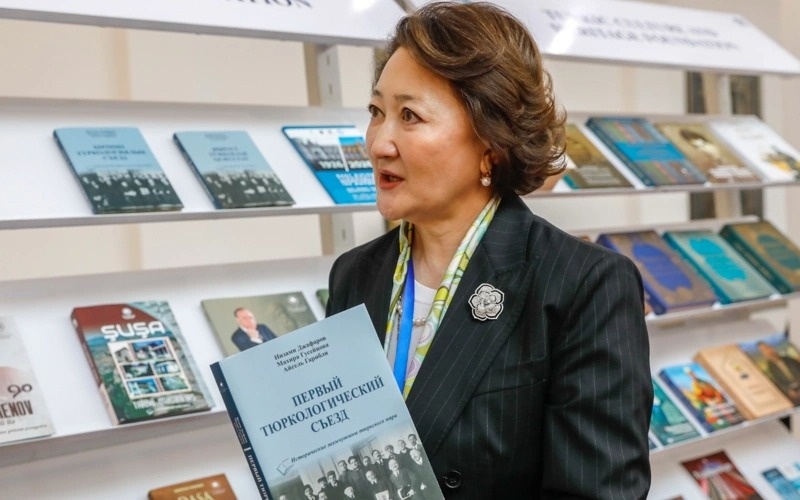
She noted that modern Turkologists are full of optimism: in all Turkic countries, great attention is being paid to the preservation, promotion, and advancement of the common Turkic cultural heritage. In her words, a list of 70 objects of shared Turkic tangible and intangible cultural heritage has been compiled. At the Informal Summit of the Organization of Turkic States, an agreement was reached to establish a digital platform for Turkic heritage, as well as to adopt a convention on preserving common Turkic cultural heritage.
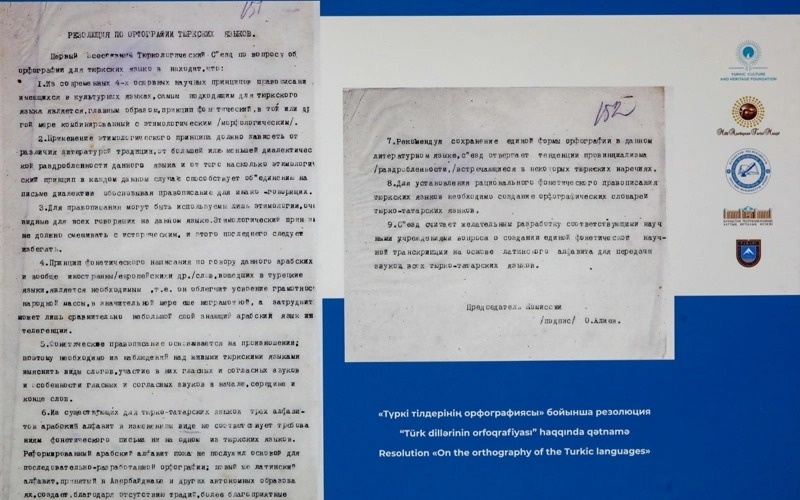
On May 22, an exhibition of rare photographs and resolutions from the Baku Turkological Congress will open at the National Museum in Almaty. The event will also feature presentations of books by Turkic peoples as well as a scholarly work on the first Turkological Congress in Baku. The exhibition will remain on display for approximately one and a half months.
Earlier, it was reported that Turkic Civilization Center will be opened in Turkistan.