Traces of Golden Horde-era iron production discovered in Kazakhstan
Archaeologists have discovered evidence of iron production dating back to the Golden Horde era in the Bayanaul district of Kazakhstan's Pavlodar region. The discovery offers new insights into the economic activities and metalworking traditions of medieval nomadic communities, Qazinform News Agency reports.

Researchers have used radiocarbon dating to establish the age of the finds and are now studying the techniques used in ancient iron production.
Ilya Merts, a senior researcher at the Alkey Margulan Joint Archaeological Research Center and a Candidate of Historical Sciences, explained that archaeological studies of medieval sites in northeastern Saryarka have traditionally focused on burial and memorial complexes, while the settlements and everyday production activities of ordinary nomads have received far less attention.
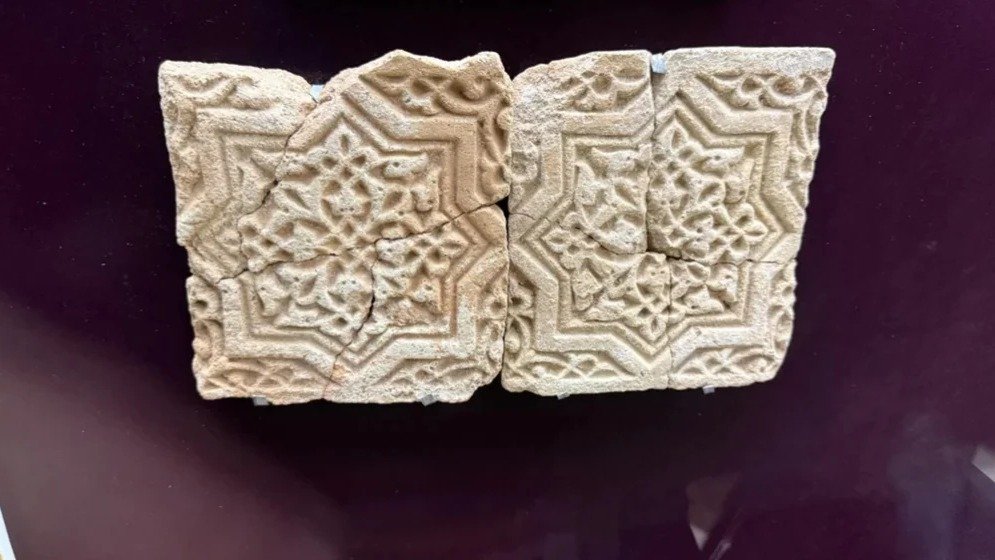
"To fully understand life in steppe society during the Golden Horde era, studying the history of rulers and urban centers is not enough. The daily lives of nomadic communities, the production of tools, the use of raw materials, and the ways people met their everyday needs are equally important aspects of historical research. From this perspective, discovering evidence of ironworking at medieval nomadic settlements is particularly significant," the researcher said.
Researchers analyzed charcoal remains found in iron slag using radiocarbon dating. Laboratory tests conducted in Japan confirmed that the materials date to the medieval period.
According to Merts, radiocarbon dating not only helps determine the age of archaeological finds but also places evidence of ancient production activities within a specific historical period.
Iron slag, a byproduct of metal smelting, can provide valuable insights into ancient production methods. By studying its composition and archaeological context, researchers can identify the raw materials used and better understand the iron-smelting techniques of the time.
The discovery in Bayanaul district offers a new perspective on life in the steppe during the Golden Horde era, shifting attention beyond major historical events and urban centers to the everyday lives, resource use, and production activities of nomadic communities.
Further research could shed more light on medieval iron production in northeastern Saryarka.
Earlier reports highlighted, Bronze Age settlement unearthed in N Kazakhstan.