Nearly 5.7 million Israelis vote as turnout hits 77.7%
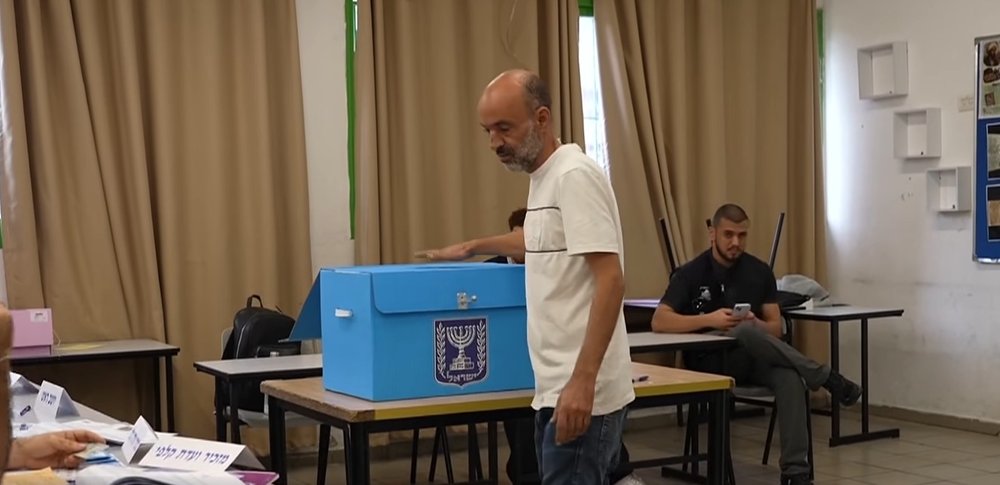
Nearly 5.7 million Israelis voted in the October 27 parliamentary election, with turnout reaching 77.7% by the close of polling, Qazinform News Agency correspondent reports, citing Central Elections Committee figures.

A total of 5,695,682 people cast their ballots out of 7,331,981 eligible voters. Polling stations closed at 10 p.m., marking the start of counting in the election for Israel’s 120-seat Knesset.
Participation increased steadily throughout Tuesday. By 2 p.m., more than 3.29 million Israelis had voted, representing 44.9% of eligible voters, compared with 38.9% at the same stage of the 2022 election. The figure rose to 66.7% by early evening.

The high turnout prompted requests from Likud and Ofer Winter’s Amcha Yisrael party to extend voting by an hour, citing long queues at polling stations. The Central Elections Committee rejected the requests. However, voters already waiting in line at closing time could still cast their ballots under election procedures.
Voting arrangements included regular polling stations, accessible facilities for people with disabilities, and special stations in hospitals, prisons and detention centres. Israeli diplomatic missions abroad also provided voting facilities for eligible personnel.
The Central Elections Committee’s official results website states that final results must be published by November 4. Figures released during counting remain subject to change until the verification process is completed.
The vote determines the composition of the next Knesset, while the formation of a government requires a separate process of presidential consultations and negotiations between parliamentary factions.
According to the Knesset, the president must assign the task of forming a government to a member of parliament within seven days of the publication of election results, following consultations with representatives of parliamentary groups.
The designated lawmaker receives 28 days to form a government. The president may extend that period by up to 14 days.
Once an agreement is reached, the proposed government must present its policy guidelines, composition and allocation of ministerial responsibilities to the Knesset and request a vote of confidence.
The new administration takes office only after parliament expresses confidence in it. Until then, the outgoing government continues to fulfill its duties, ensuring continuity while the process of establishing the next administration proceeds.
Earlier, Qazinform News Agency reported that Armenian Prime Minister Nikol Pashinyan had not ruled out holding snap parliamentary elections to adopt a new constitution if the process could not be completed through other means.