Kazakhstan’s treasure trove of wildly-flavoured apples

It was 1993 and US Department of Agriculture (USDA) horticulturist Phil Forsline was flying over the magnificent mountain ranges of south-eastern Kazakhstan in a helicopter. Forsline had not been to the huge Central Asian country before; with the recent fall of the Soviet Union, this was his first chance to visit its wild forests. It was here, scientists now believe, that the ancestors of the apples sold in supermarkets around the globe originally evolved. Forsline was on a quest to find out what was really out there, in those mountain gardens. 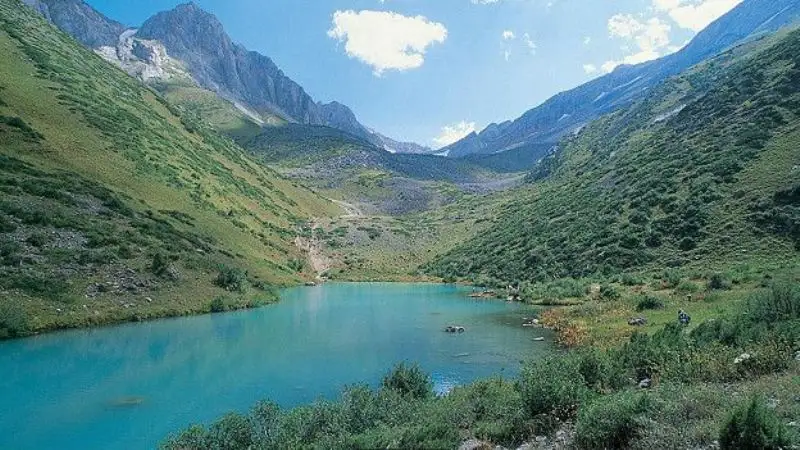
In 2013, over 80 million tonnes of apples were produced worldwide. Half of them came from China. In the United States alone, the wholesale value of the apple crop is worth nearly $4bn (£2.76bn). It’s obvious that people have their firm favourites from the many varieties. Consumers around the world select from crunchy, slightly sour Granny Smiths or go for a sweet and mushy Red Delicious.
But some believe that the forests of Kazakhstan still hold many genetic secrets that could help us create even better apples. Central Asia, indeed, was the cradle of a key species – Malus sieversii. And in those wild Kazakh forests today, M. sieversiistill grows. The gardeners who look after these crops are a little out of the ordinary – bears who eat the fruit and scatter the seeds in their droppings. 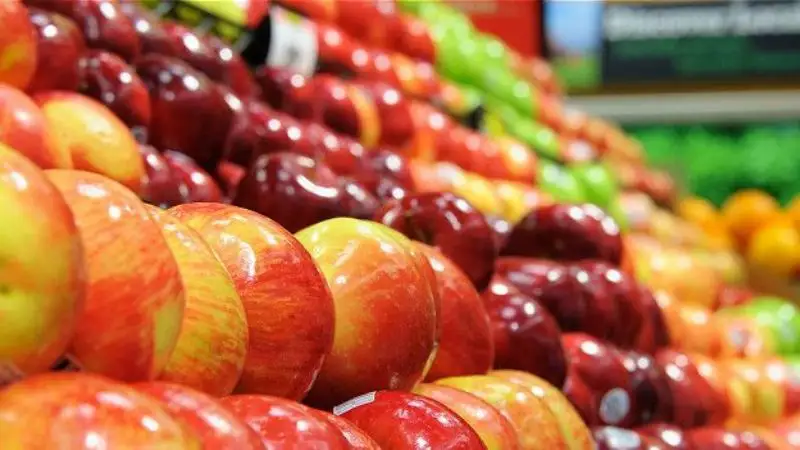
Thanks to help from a local guide, Aimak Dzangaliev, the group knew the best places to look. Dzangaliev, now nearly 100 years old, is a botanist in Almaty who for much of his life has been championing the virtues of Kazakh apples.
“We had some pretty hairy experiences,” says Forsline. “But we survived.” He went back in 1995 and 1996, but by then the cost of fuel was so high they travelled by road instead.
“We took these long rides in buses or four-wheel drive vehicles and it was very tiring because sometimes we would go off to this northern site and we didn’t get to that site until three in the morning,” he recalls. “And then we had to get up at six and start our collection.”
The team’s objective was to collect seeds from as many apples as possible. Along the way, they would taste each one and make notes about its texture, colour and flavour as well as the habitat in which it was found. They also carried a GPS device so that the origin of each seed was accurately mapped. 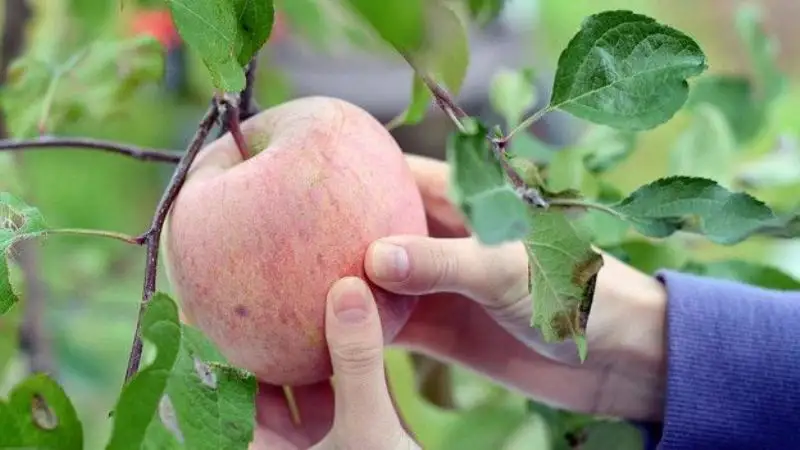
“It was like a garden of Eden,” remembers Forsline. “We came across trees that had fruits that ranged from 25mm up to 75mm in diameter – there was a big range of fruit sizes and fruit quality.”
Some tasted quite sour and off-putting, but every so often one of the team would bite into something that “you could have on a supermarket shelf”. Occasionally, the flavours were wonderful. Forsline tasted apples that had a hazelnut-like flavour. And there were some with an aniseed or liquorice quality.
Others who have tasted wild apples in Kazakhstan report fruits that taste vaguely of sweet honey – or even berries. Depending on which plants were “bred” together by the bees that randomly pollinated them, the genetic make-up of any given fruit would be slightly adjusted. This process, as with all wild fruit, results in a special mix of chemical compounds and volatiles in the apple itself that are responsible for these unique flavours. 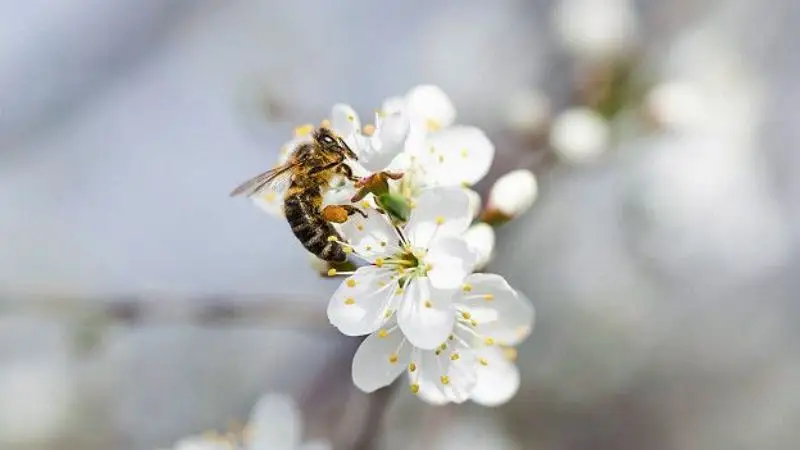
Read more at BBC