Kazakhstan proposes closer coordination among 5 nuclear-weapon-free zones and Mongolia at UN
The Permanent Mission of Kazakhstan to the United Nations, in cooperation with the United Nations Office for Disarmament Affairs (UNODA), hosted a forum entitled “Nuclear-Weapon-Free Zones: From the Comprehensive Study to Practical Cooperation," Qazinform News Agency reports, citing the press service of the Kazakh MFA.

The event marked the 20th anniversary of the signing of the Semipalatinsk Treaty and the publication of the new UN comprehensive study on nuclear-weapon-free zones – the first in 50 years. Discussions focused on implementing its recommendations, strengthening cooperation among nuclear-weapon-free zones and engaging with nuclear-weapon States.
Participants included UN Under-Secretary-General and High Representative for Disarmament Affairs Izumi Nakamitsu, Deputy Permanent Representative of Mexico to the United Nations Porfirio Thierry Muñoz Ledo, Vice President of the Nuclear Threat Initiative (NTI) Paul Dean, as well as permanent representatives and diplomats of UN Member States, representatives of international organizations, and experts in nuclear disarmament and non-proliferation. Dr. Ryan Musto of William & Mary (United States) moderated the discussion.
In his opening remarks, Kazakhstan’s Permanent Representative to the United Nations, Kairat Umarov, stressed that rising nuclear risks made it particularly important to strengthen cooperation mechanisms that had proven effective. He called for the recommendations of the new UN study to serve as a basis for concrete joint initiatives, highlighting Central Asia’s contribution to regional security and the nuclear non-proliferation regime.
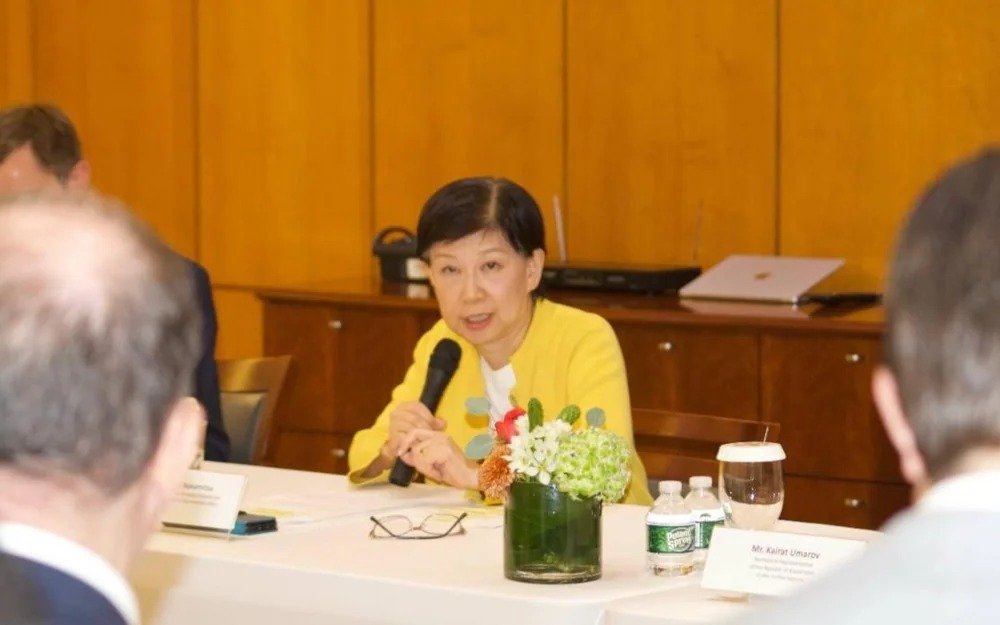
Ms. Nakamitsu commended the longstanding partnership between the United Nations and Kazakhstan and the country’s sustained efforts to advance cooperation among nuclear-weapon-free zones. In particular, Kazakhstan and UNODA jointly organized international workshops in Astana in 2019 and 2024 to strengthen interzonal cooperation and improve consultation mechanisms. Highlighting the Semipalatinsk Treaty as an example of successful regional diplomacy, the UN Under-Secretary-General emphasized that the study’s lasting value would depend on the practical implementation of its recommendations and reaffirmed UNODA’s readiness to support this work.
Mexico’s representative advocated strengthening the institutional capacity of nuclear-weapon-free zones while taking their regional specificities into account, and continuing dialogue with nuclear-weapon States on legally binding security assurances.
The NTI representative highlighted the potential of nuclear-weapon-free zones to reduce nuclear risks, drawing particular attention to the experiences of Kazakhstan, South Africa, Brazil and Argentina. He also outlined plans to convene an interzonal meeting in Vienna and develop a dedicated online learning resource for diplomats.
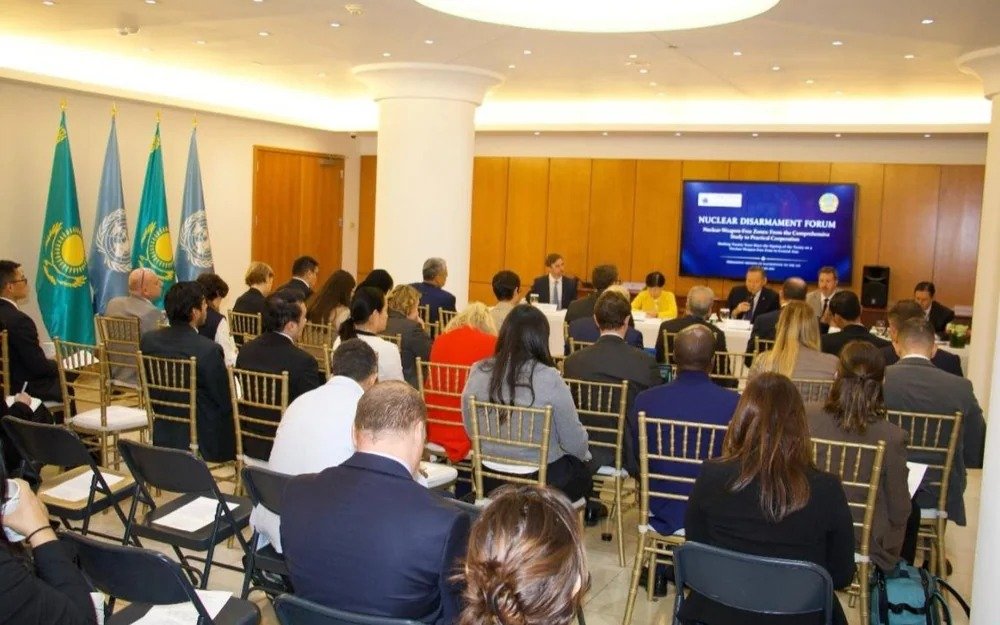
During the open discussion, the ambassadors of Brazil and the United Kingdom emphasized the importance of regular consultations among nuclear-weapon-free zones and constructive dialogue with nuclear-weapon States. Experts and civil society representatives proposed strengthening coordination, information-sharing and educational cooperation, including through youth engagement. A representative of the International Committee of the Red Cross highlighted the complementary nature of nuclear-weapon-free zone treaties and the Treaty on the Prohibition of Nuclear Weapons.
Concluding the forum, Mr. Umarov proposed closer coordination among the five regional nuclear-weapon-free zones and Mongolia, including to advance shared priorities in dialogue with nuclear-weapon States.
As a practical follow-up to the forum, Kazakhstan, with UNODA’s support, will prepare a concise summary of the discussion outlining participants’ key proposals and possible areas for further cooperation.
Earlier, it was reported that foreign ministers of Kazakhstan and the United Arab Emirates had a telephone conversation. The sides expressed satisfaction with the dynamic development of Kazakhstan-UAE cooperation, reaffirming their mutual interest in further deepening political dialogue and expanding practical cooperation in areas of common interest.