Kazakhstan expands cooperation with leading universities in Japan and South Korea
Kazakhstan is expanding cooperation with leading universities and scientific and technological organizations in Japan and South Korea in the areas of higher education, research, artificial intelligence and specialist training, the country’s Ministry of Science and Higher Education said, Qazinform News Agency reports.

Minister of Science and Higher Education Sayasat Nurbek held a series of meetings with university leaders and representatives of scientific and technological organizations during visits to Tokyo and Seoul.
In Tokyo, Nurbek met with representatives of Tokyo Metropolitan University and the United Nations University (UNU).
During talks with Tokyo Metropolitan University President Takaya Ohashi, the sides discussed academic mobility, exchanges between researchers and faculty members, as well as joint educational and research projects. Nurbek also invited Ohashi to attend the Strategic Partners Forum, which is scheduled to take place in Astana in November.
Nurbek also met with UNU Rector and UN Under-Secretary-General Professor Tshilidzi Marwala. Their discussions focused on cooperation in science, higher education, research and sustainable development, as well as possible ways to expand UNU’s presence in Kazakhstan. Marwala accepted an invitation to participate in the upcoming forum in Astana.
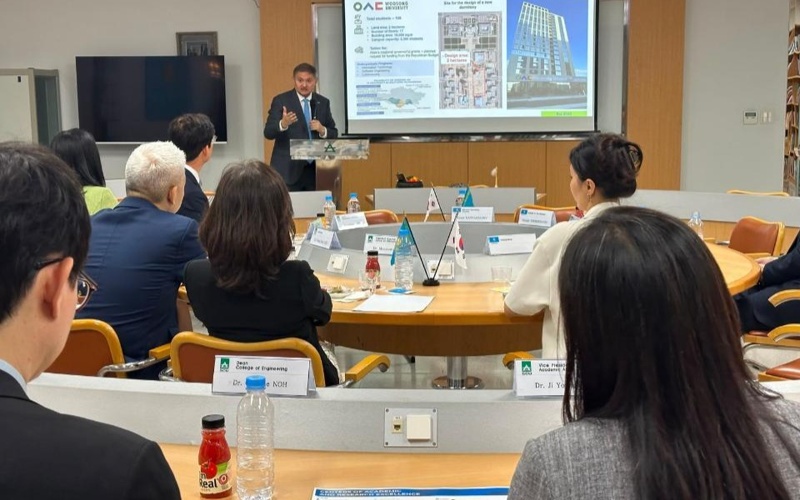
In Seoul, Nurbek held talks with South Korea’s Deputy Prime Minister and Minister of Science and ICT Bae Kyung-hoon. The discussions covered cooperation in science, higher education and artificial intelligence, including technology transfer, joint research and specialist training.
A key issue was the proposed establishment of a branch of the Korea Advanced Institute of Science and Technology (KAIST) in Kazakhstan. The initiative is intended to strengthen training in artificial intelligence, digital technologies and engineering while supporting joint research and innovation projects.
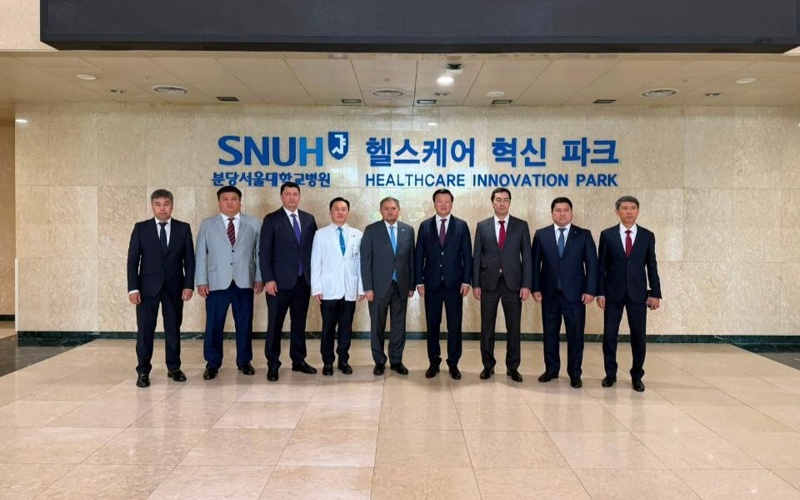
Nurbek also met with KAIST Vice President Jaemin Jung to discuss further steps in developing educational and research projects, academic mobility and cooperation in AI and digital technologies.
The Kazakh minister additionally held meetings with representatives of Seoul National University and Korea University. The sides discussed academic exchanges, joint research and specialist training in medicine, engineering, information technology and other priority fields. Both universities already have partnership projects with Kazakh higher education institutions.
Another area of cooperation is the development of dual-degree programs. Seoul Cyber University currently works with Q University, Almaty Humanitarian-Economic University, and MNU on partnership initiatives.
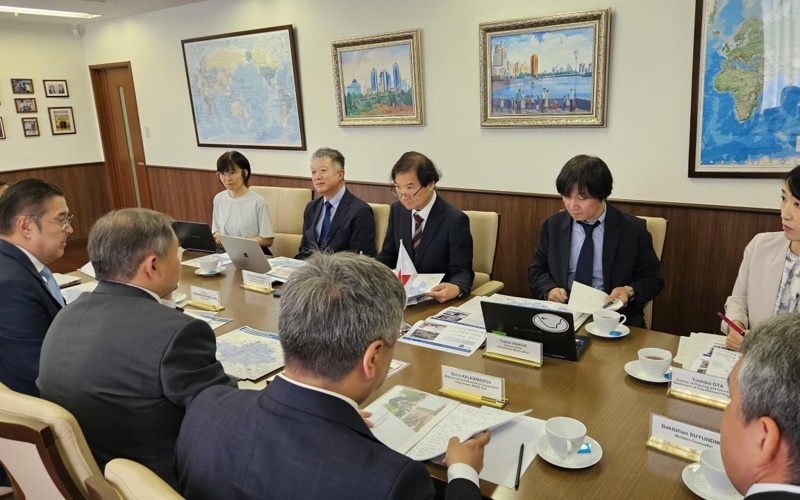
In particular, Q University and Seoul Cyber University are developing a Computer Science dual-degree program under a 1+2+1 model. Almaty Humanitarian-Economic University and Seoul Cyber University also plan to launch a dual-degree program in Information Security and Artificial Intelligence, using the same model.
Following the meetings, the sides agreed to further develop academic mobility, joint research, dual-degree programs, technology transfer and specialist training in priority scientific and technological fields.