How Mongolia celebrates Tsagaan Sar (Lunar New Year)
Every spring, as the long winter begins to loosen its grip, Mongolia bursts into celebration with Tsagaan Sar, the Mongolian Lunar New Year. It is a vivid tapestry of tradition, family, and hope that has endured for more than 800 years, Qazinform News Agency correspondent reports.

Roots of the celebration
The origins of Tsagaan Sar are often linked with the rise of the Mongol Empire in the 13th century. Some scholars suggest that after unifying the nomadic tribes, Genghis Khan played a role in standardizing the lunar calendar and shaping the early form of the New Year celebration. Mongolians have since observed the first month of spring according to the lunisolar calendar and preserved traditions that have lasted for more than eight centuries.
The name White Moon reflects both the timing of the festival and the importance of dairy products in Mongolian culture. White foods symbolize purity, prosperity, and good fortune.
Weeks of preparation
Preparations for Tsagaan Sar begin weeks in advance. Homes are meticulously cleaned, worn clothes repaired or replaced, and the finest deel robes prepared for family members.
Families prepare hundreds or even thousands of buuz, steamed dumplings filled with minced meat, freezing them in advance for the busy days of visiting.
Tables are arranged with ul boov, traditional biscuits stacked in odd numbered layers to symbolize happiness. Dairy products such as dried curds, clotted cream, yogurt, and milk tea decorate the table in keeping with the White Moon theme.
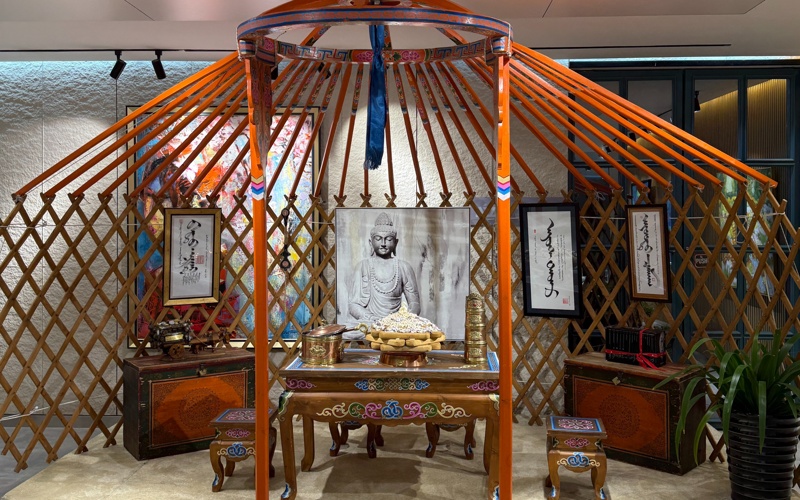
There are also clear customs about what should and should not be done. Families avoid quarrels, lending items, or throwing out trash during the holiday period, believing that actions during Tsagaan Sar influence the entire year ahead.
Bituun: The Eve of the New Year
The day before Tsagaan Sar is called Bituun, meaning no moon. It is a time for final preparations and a symbolic closing of the old year.
Families gather for a large feast that includes sheep rump, dumplings, rice with curd, dairy products, and fermented mare’s milk known as airag. Candles are lit at home altars to symbolize enlightenment.
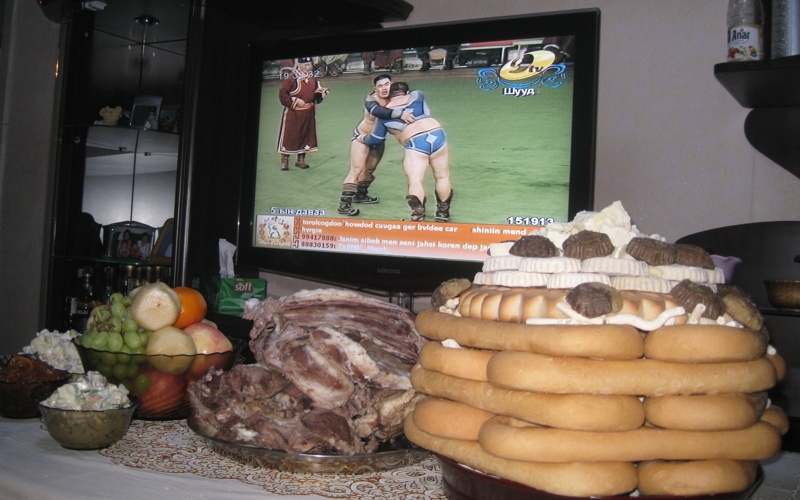
There is also a ritual of placing sweets and edible offerings outside the door for spirits.
Shortly after midnight, relatives return to their own homes. This is important because the next morning they must set out early to visit elders, often beginning with the oldest family member or the eldest son’s household.
The first day
The first day of Tsagaan Sar follows a strict order rooted in tradition.
At dawn, the hosts who expect younger relatives to visit step outside their home to leave the first footprint of the New Year. They then return inside and wait for the first guests, usually their eldest sons and their families.
The greeting ceremony, known as zolgokh, begins. Younger family members extend their arms with palms facing upward, supporting their elders by the elbows. They ask whether the past year was good and express wishes for a better year ahead. Elders respond with blessings.
During this ceremony, it is common to exchange snuff bottles from hand to hand. These ornate tobacco containers carry great symbolic value. They represent respect, status, and tradition.
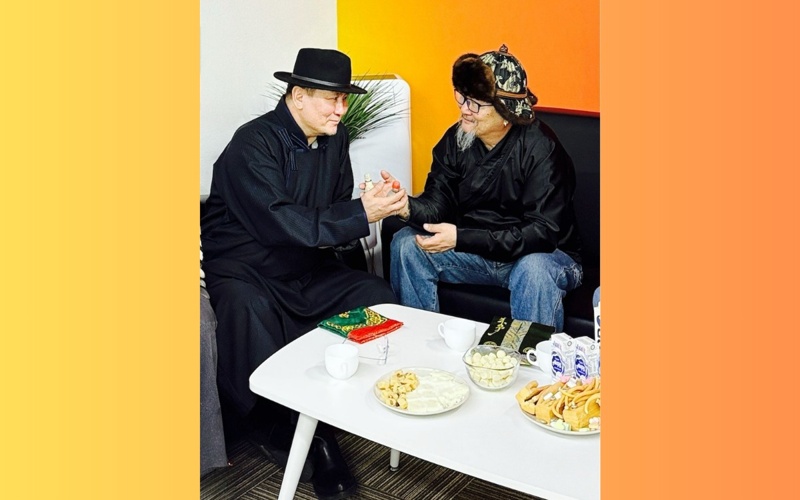
Money is often discreetly given to elders during the greeting. After the ceremony, guests are treated to buuz, airag, and an abundance of white foods. Families try not to stay too long, as more visitors are expected throughout the day. When guests leave, they are given small prepared gifts, often modest in value.
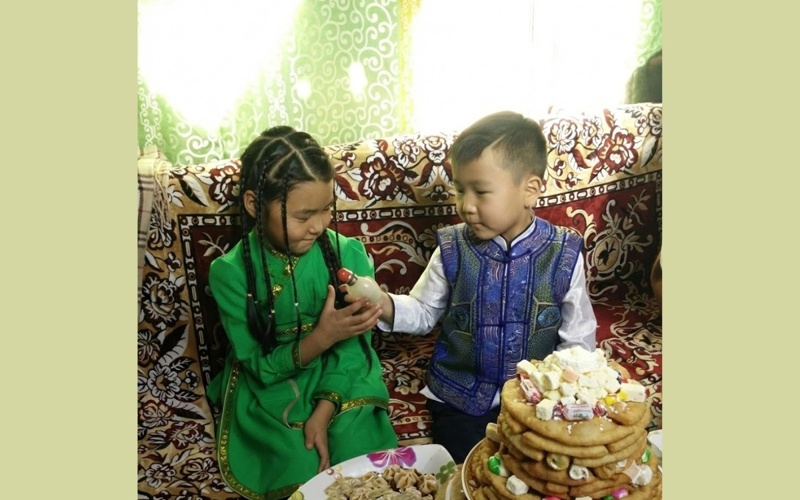
On the first day, close relatives gather at the parents’ home. Family members usually remain there, as the nearest relatives continue arriving throughout the day.
Days 2 to 4
On the second, third, and sometimes fourth days, the same greeting rituals continue, but visits expand to include relatives from the wife’s side of the family, cousins, close friends, and colleagues.
Some families travel to rural areas or distant villages if elderly relatives are unable to come to the city. The spirit of Tsagaan Sar is rooted in making the effort to show respect in person.
Throughout these days, tables remain full, guests continue arriving, and the exchange of greetings, gifts, and blessings reinforces family ties across generations.
Tsagaan Sar dates
2026: February 17 to 20
2027: February 6 to 8
2028: February 24 to 26
2029: February 13 to 15
2030: February 3 to 5
Earlier, Qazinform News Agency reported on China's 2026 Spring Festival travel rush.