

Goals, drama and records: World Cup 2026 delivers unforgettable spectacle
After weeks of spectacular goals, dramatic comebacks, historic records and unforgettable underdog stories, Spain were crowned FIFA World Cup champions, bringing one of the most exciting tournaments in the competition’s history to a fitting close, reports a Qazinform News Agency correspondent.

Held across Canada, Mexico and the United States, the 2026 FIFA World Cup became the first to feature 48 teams and the largest edition ever staged. Despite early concerns over its expanded format and demanding schedule, the tournament delivered unforgettable matches, emerging stars and remarkable records from start to finish.
Goals, comebacks and late drama
By the end of the first 96 matches, 280 goals had been scored, an average of 2.92 per game. That was the highest rate recorded at a World Cup since the 1970 tournament in Mexico.
Germany’s 7-1 victory over Curaçao was the competition’s highest-scoring match, but some of the most memorable encounters came during the knockout stage.
Argentina produced one of the tournament’s most dramatic comebacks against Egypt. The reigning champions trailed 2-0 with only 11 minutes of normal time remaining before goals from Cristian Romero and Lionel Messi brought them level. Enzo Fernández then scored deep into stoppage time to complete a remarkable 3-2 victory.
Belgium also recovered from two goals down to defeat Senegal 3-2, while England overcame Mexico by the same score despite playing around 40 minutes with 10 men at the historic Azteca Stadium.
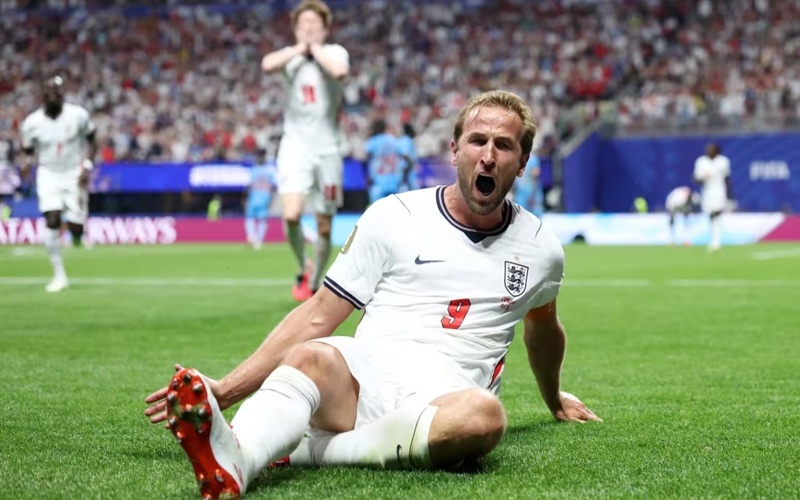
Argentina had already survived another scare in the Round of 32, requiring extra time to beat tournament debutants Cape Verde 3-2.
Late goals have become one of the defining features of the competition. Fernández’s strike against Egypt was the tournament’s 10th match-winning goal scored in the 90th minute or later, setting a new World Cup record.
Messi leads the stars
The tournament has also brought together some of the greatest attacking players of their generation.
At the age of 39, Messi has led Argentina to another final and remained at the center of the Golden Boot race with eight goals. He also provided both assists as Argentina came from behind to defeat England 2-1 in the semifinal.
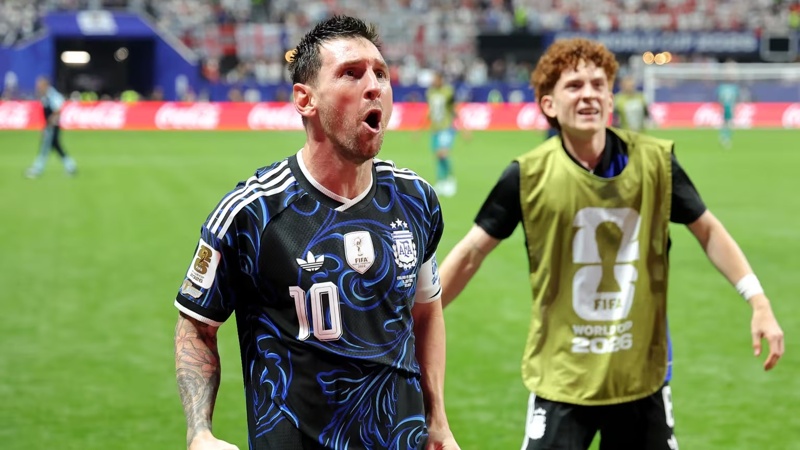
Following the victory, Messi paid tribute to the late Argentine football icon Diego Maradona.
“Diego is enjoying this immensely from up there,” Messi said.
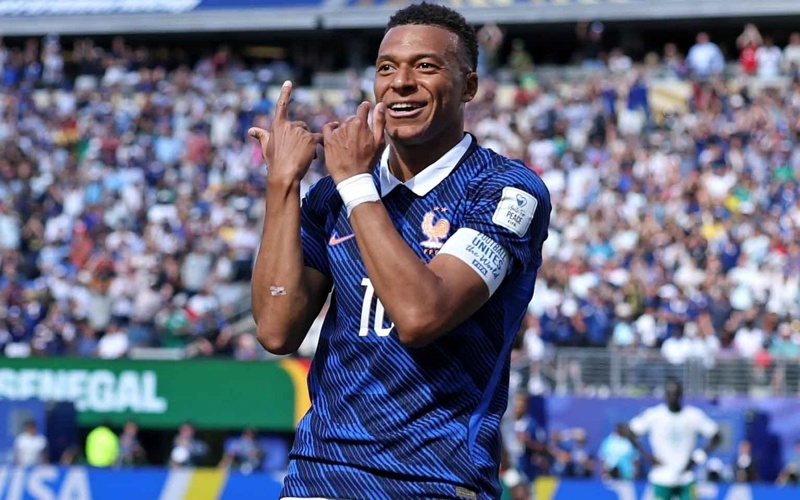
France captain Kylian Mbappé has also scored ten times, utilizing the opportunity to add to his total in the third-place match against England.
Mbappé is seeking to win a second consecutive Golden Boot after finishing as the leading scorer at Qatar 2022. His final appearance of the tournament also coincided with the end of Didier Deschamps’ 14-year spell as France head coach.
Norway’s Erling Haaland finished with seven goals after helping his country reach the quarterfinals, while England captain Harry Kane has scored six.
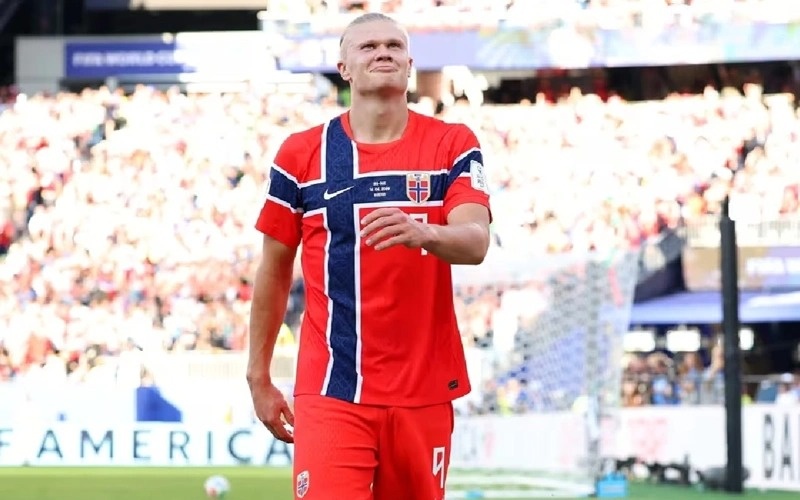
The performances of the tournament’s biggest names have helped create one of the most competitive scoring races in World Cup history.
Underdogs leave their mark
The expansion to 48 teams raised fears that the tournament would produce too many one-sided matches. Instead, several less-fancied nations delivered some of the competition's most inspiring stories.
Curaçao, the smallest country ever to qualify for a World Cup, recovered from a heavy defeat to Germany to hold Ecuador to a draw.
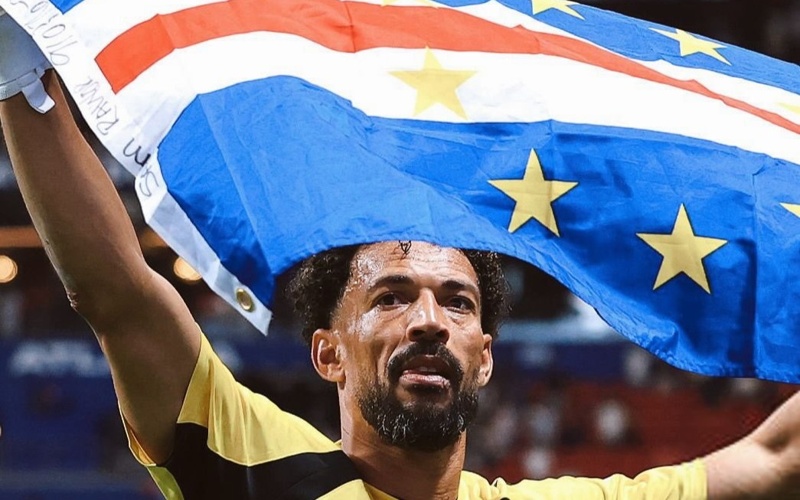
Cape Verde emerged as one of the tournament's biggest surprises. The World Cup debutants held Spain, Uruguay and Saudi Arabia in the group stage before pushing Argentina all the way in the Round of 32, eventually falling 3-2 after a spirited display.
Veteran goalkeeper Vozinha became one of the faces of Cape Verde's remarkable campaign. The 40-year-old produced a series of crucial saves throughout the tournament, providing leadership and composure as the island nation earned worldwide praise for its disciplined and fearless performances.
Morocco continued its recent rise by reaching the quarterfinals after defeating co-host Canada 3-0, while Switzerland advanced to the last eight following a penalty shootout victory over Colombia.
Norway also produced one of the tournament's biggest surprises by eliminating Brazil in the Round of 16 before narrowly losing 2-1 to England.
The tournament also produced outstanding individual displays from some of world football's biggest names, with Lionel Messi, Kylian Mbappé and several emerging stars leaving their mark.
Packed stadiums and travelling supporters
Supporters have helped create memorable atmospheres across the three host countries, despite long journeys between venues and widespread criticism of ticket, accommodation and transport costs.
Earlier in the tournament, FIFA said 99.7% of available seats had been filled, with average crowds exceeding 65,000 spectators.
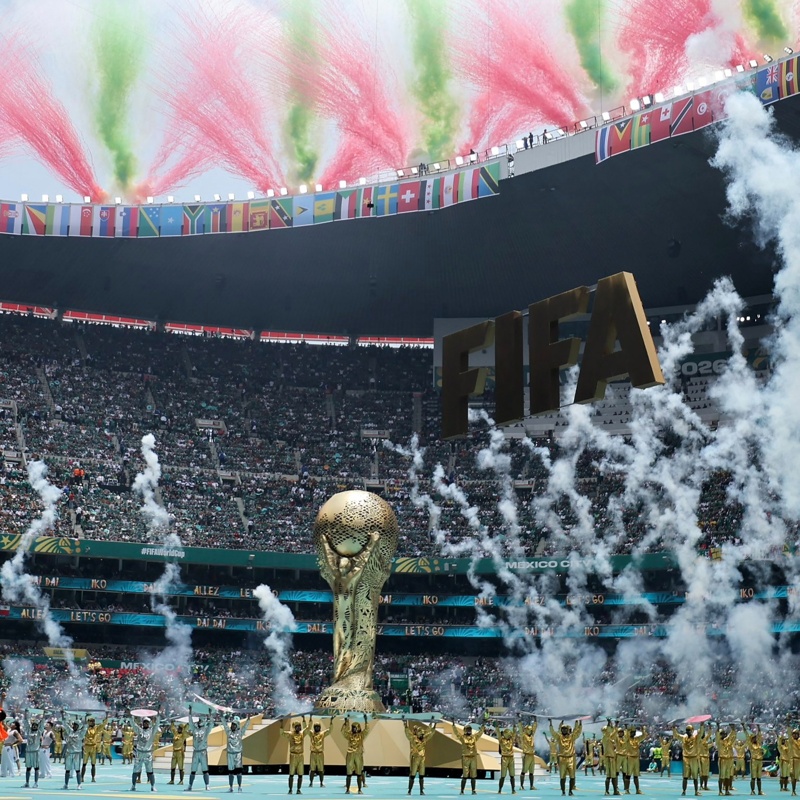
That figure placed the tournament close to the attendance record set at the 1994 World Cup in the United States, which averaged almost 69,000 supporters per game.
However, FIFA’s ticketing policies have faced increasing scrutiny. A German court recently issued an injunction requiring greater transparency in World Cup ticket resales following complaints over pricing and sales practices.
Hydration breaks, introduced to protect players in extreme conditions, have also divided supporters. While widely accepted during matches played in intense heat, they have occasionally been criticized when used in cooler weather or roofed stadiums.
Questions have also been raised about the demands placed on players by the 104-match schedule, long-distance travel and a tournament lasting from June 11 to July 19.
A final worthy of the tournament
Spain booked their place in the final with a convincing 2-0 victory over France, while Argentina came from behind to defeat England 2-1 in the second semifinal.
In the title match, Spain defeated Argentina 1-0 to claim the 2026 FIFA World Cup trophy and bring the expanded tournament to a dramatic conclusion.
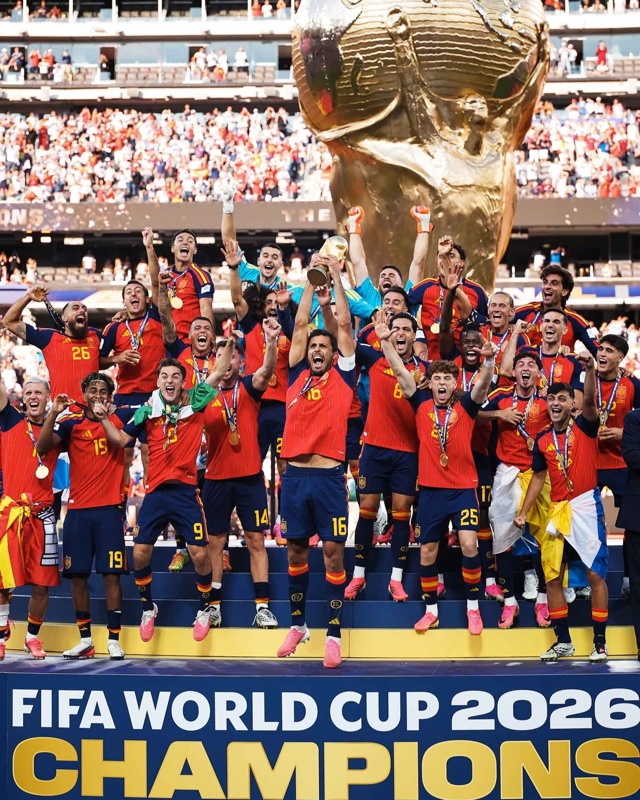
The final showcased two contrasting football traditions. Spain relied on controlled possession, aggressive pressing and the energy of a new generation, while Argentina once again drew inspiration from Lionel Messi and the experience of a team seeking to defend the title won in Qatar.
The result crowned a tournament filled with extraordinary goals, packed stadiums, brilliant individual performances and some of the most dramatic comebacks in World Cup history.
With Spain lifting the trophy, the 2026 edition delivered a memorable ending worthy of the spectacle that unfolded across Canada, Mexico and the United States.
Earlier, Qazinform News Agency reported that FIFA President Gianni Infantino said the governing body would consider expanding the FIFA World Cup to 64 teams after the conclusion of the 2026 tournament.