17th-century manuscript on Yassawi teachings discovered in Moscow
Scholars from the Yassawi Studies Research Center at the Aziret Sultan National Historical and Cultural Museum-Reserve have discovered a previously unknown 17th-century manuscript in the Russian State Library dedicated to the history and spiritual teachings of the Yassawi tariqah, Qazinform News Agency reports, citing the Ministry of Culture and Information.
The research was launched in line with the President’s directive to comprehensively study and popularize the legacy of Khoja Akhmed Yassawi, as well as under the government-approved Yassawi Studies Development Plan.
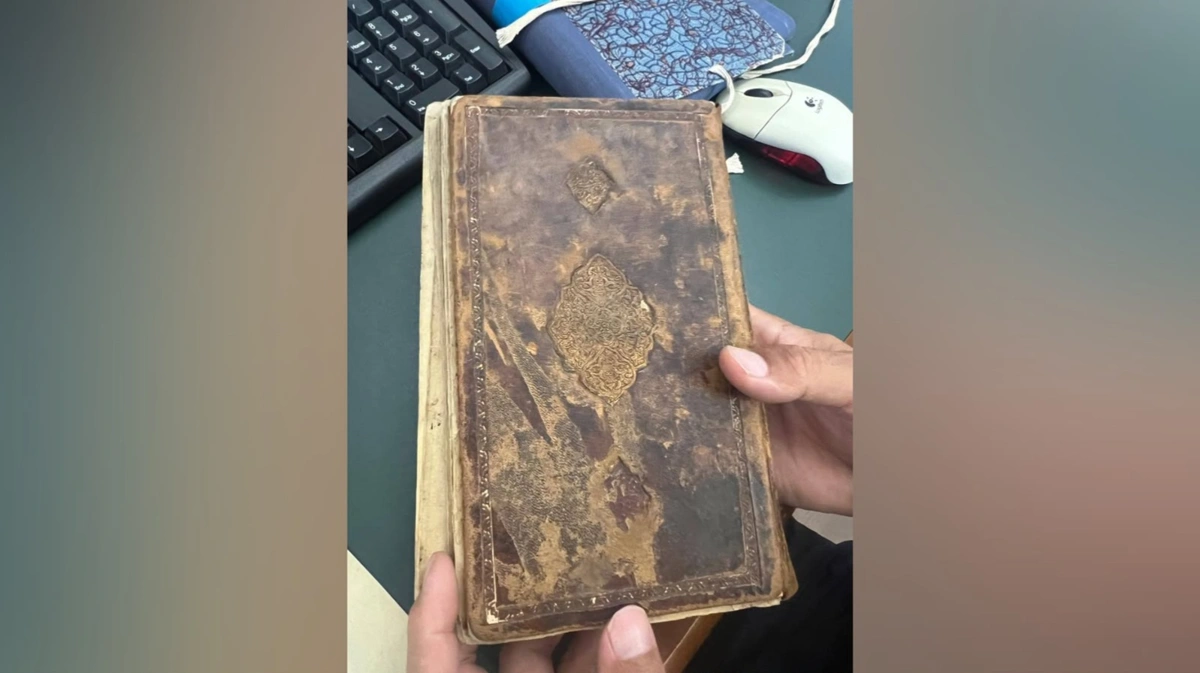
The manuscript titled Hujjat al-Zakirin li-Radd al-Munkirin (The Proof for Those Who Perform Dhikr in Refutation of the Deniers) was discovered during a scientific expedition to Moscow. Created in Bukhara, this work serves as an important written source on the history of the Yassawi school.
The manuscript examines the principles of Sufi spiritual training, the tradition of public dhikr and spiritual succession. It also contains information on the spiritual lineage tracing back to Khoja Ahmed Yassawi, Hakim Ata, Zangi Ata, and subsequent representatives of the tariqa.
Specialists are currently preparing a scholarly description of the manuscript. Its text will be compared with known copies of the work, after which scholars will conduct a textual analysis and introduce the results of their research in academic circulation.
Earlier, it was reported that Turkistan hosted a Yassawi Kerueni scientific and educational workshop dedicated to the spiritual and philosophical heritage of Khoja Ahmed Yassawi. Discussions mainly focused on the historical and spiritual significance of Yassawi’s teachings, the moral philosophy of his work Divan-i Hikmet, and the role of the thinker’s legacy in strengthening national identity and shaping spiritual values.