San Francisco files suit against Coca-Cola and other major food makers over ultraprocessed foods
San Francisco has filed a lawsuit against several major food companies, alleging deceptive marketing and public nuisance tied to the sale of ultraprocessed foods that the city says contribute to rising healthcare costs, Qazinform News Agency correspondent reports.

This week, San Francisco filed a lawsuit in San Francisco Superior Court against a group of food and beverage manufacturers, including Kraft Heinz, Coca-Cola, Nestlé, Kellogg, and Mondelez International.
The case accuses 10 corporations of violating California laws related to public nuisance and deceptive marketing. The city alleges the companies promoted products they knew carried health risks while downplaying or obscuring those risks in their advertising.
“These companies created a public health crisis with the engineering and marketing of ultraprocessed foods,” said San Francisco City Attorney David Chiu in a statement. He added that the manufacturers transformed food in ways that made it harmful to human health.
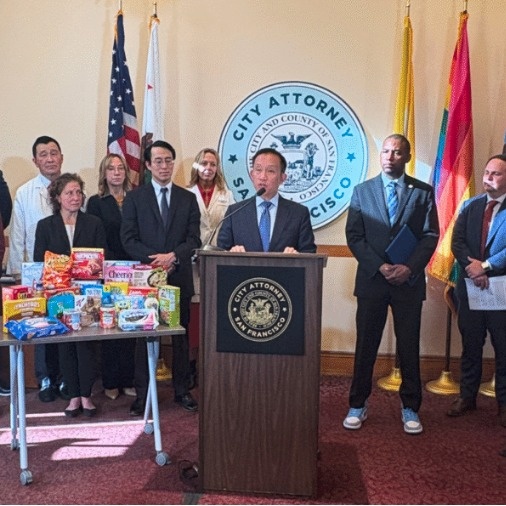
According to the lawsuit, the spread of ultraprocessed foods has coincided with increases in obesity, cancer, and diabetes. The city is seeking restitution and civil penalties to help cover healthcare costs. It is also asking the court to bar deceptive marketing practices and require changes in how these products are sold.
This is the first known lawsuit by a U.S. municipality alleging that food companies knowingly marketed addictive and harmful ultraprocessed foods, according to city officials.
While there is no single formal definition of ultraprocessed food, researchers generally describe it as mass-produced food made with industrial techniques and substances not typically used in home cooking. Common examples include frozen pizza, hot dogs, candy, soft drinks, chips, sweetened cereals, and instant soups. These products often contain added sugars, fats, salt, artificial colors, preservatives, and industrial additives such as emulsifiers or thickeners.
The city cited data showing that roughly 70% of products sold in U.S. supermarkets fall into this category, and that children in the country receive about 60% of their calories from such foods.
Health risks linked to ultraprocessed foods have been examined in multiple studies. A three-part series published in The Lancet in November associated high consumption of these foods with a rise in diseases ranging from obesity to cancer. Other research has linked them to higher risks of cardiovascular disease and early mortality.
According to the Centers for Disease Control and Prevention, about 40% of Americans are obese, and nearly 16% have diabetes.
The food industry has pushed back against the lawsuit. Sarah Gallo of the Consumer Brands Association said there is currently no agreed scientific definition of ultraprocessed foods. She said judging foods solely on the basis of processing could mislead consumers and worsen health disparities.
In July, Qazinform reported that Coca-Cola announced that it would launch a new product made from US cane sugar this fall in response to pressure from President Trump.