Kazaukana: Kazakh students develop new highly-nutritious chicken breed
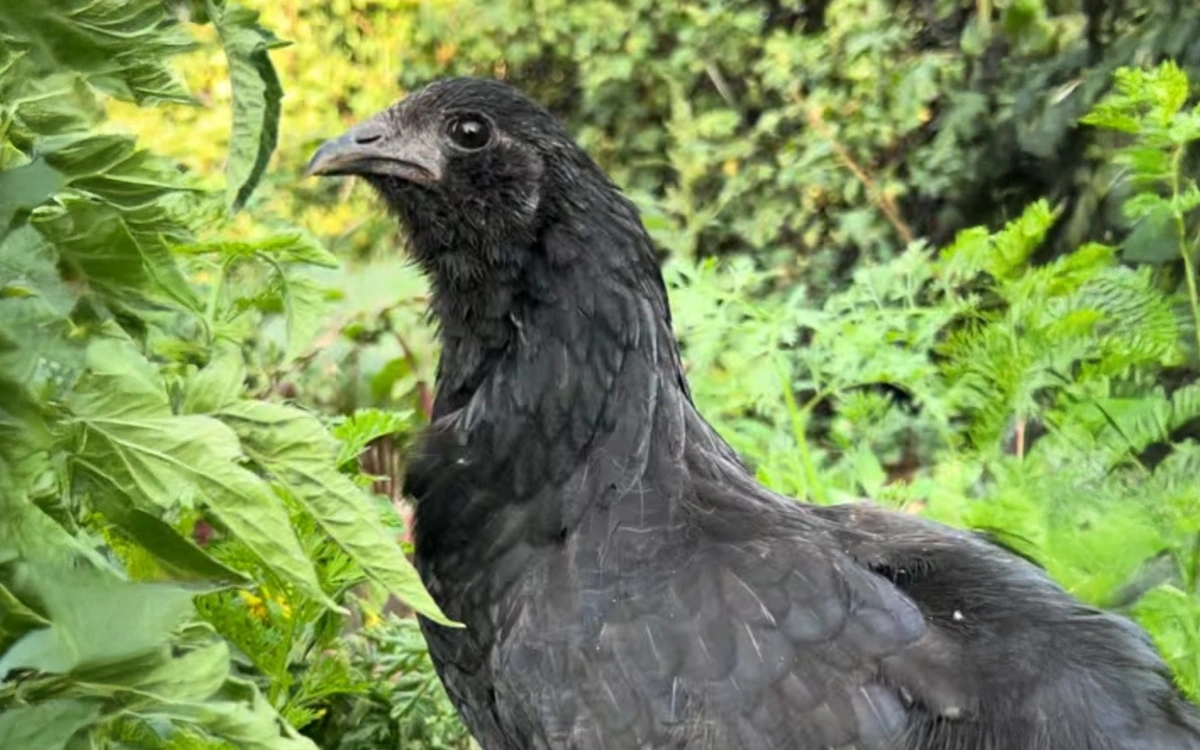
Zhetysu University students developed a new black chicken breed, Kazaukana, noted for its enhanced nutrition and unique biological traits, Qazinform News Agency reports.
Laboratory tests found that the meat of Kazaukana chickens contains higher levels of protein, zinc, and iron than conventional breeds, making it especially valuable for healthy diets.
The breed is visually distinctive as well: its meat, bones, and internal organs are black, while the eggs come in naturally multicolored shades.
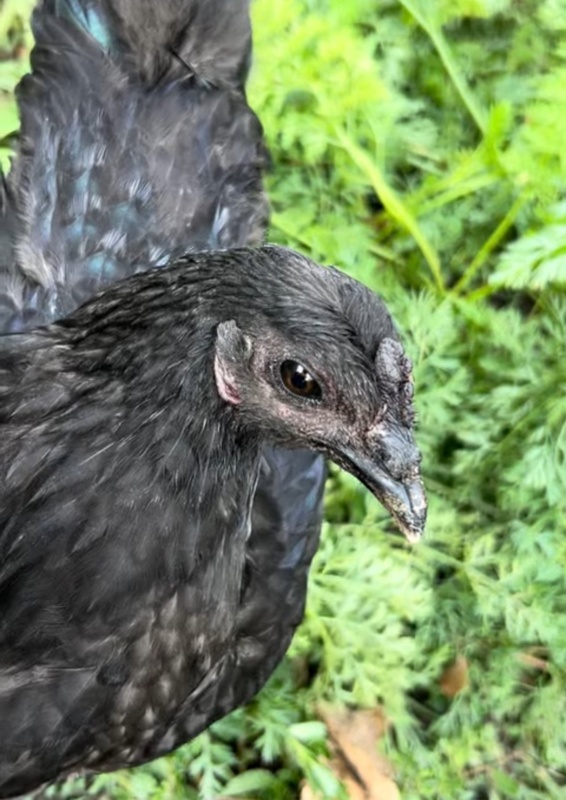
A distinctive feature setting Kazaukana apart from other black breeds is its protective beard and small pea-shaped comb. Such traits help the birds withstand harsh winter conditions, which is critical for farmers in cold climates.
To develop Kazaukana, the student research team used five breeds: Ameraucana, Ayam Cemani, Leghorn Chicken, Malay Game, and local mixed-breed hens.
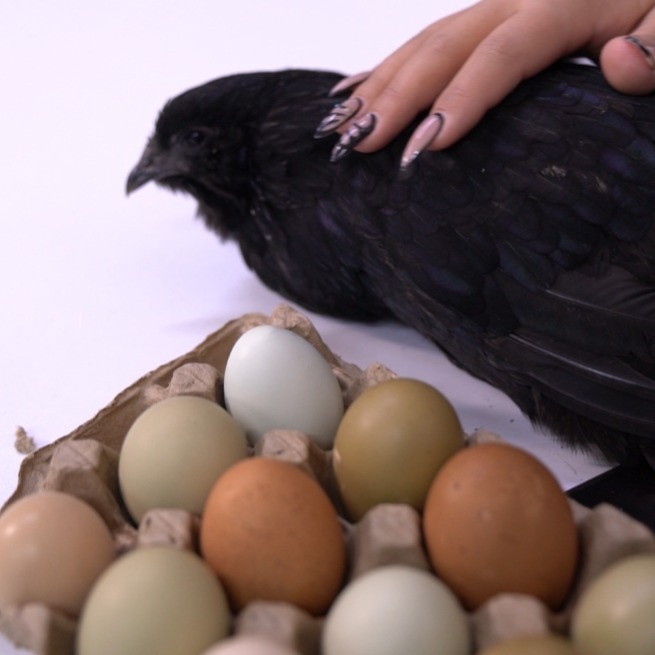
Ameraucana was chosen for its ability to lay multicolored eggs, while Ayam Cemani contributed its black meat. Other black-meat or color-egg breeds, such as Uheyiluy, were deemed unsuitable due to low productivity and poor survival rates.
“The project name ‘Gallus’ comes from the Latin scientific name for chickens. The breed name ‘Kazaukana’ was formed from Ameraucana, replacing ‘American’ with ‘Kazakh’,” explained project author Askar Rakhimov. “Araucana inspired many of our ideas but also had drawbacks, such as small egg size and excessive skittishness.”

By combining the unique qualities of each breed, the team of young ethusiasts succeeded in producing chickens with stronger immunity, higher survival, and better resilience than factory-farm layers. According to Rakhimov, Kazaukana hens show impressive productivity, laying 300-320 eggs a year.
The breed is well adapted to Kazakhstan’s climate, easy to maintain, and resistant to adverse conditions, making it a valuable resource for small farms and agricultural enterprises. Adult birds reach an average weight of 3.5 kg, with a productive lifespan of up to 2.5 years.
The research was carried out as part of the Gallus Project, which currently involves 47 students working across genetics, biotechnology, veterinary studies, agro-management, and digital monitoring. Alongside this initiative, the team is developing 15 additional projects across IT, education, agronomy, and other fields.
The project has already achieved significant recognition: the students became prizewinners in several university and national scientific competitions, secured a 2 million tenge university grant, and won Enactus Kazakhstan among 80 teams. Thereby, they earned the opportunity to represent Kazakhstan internationally, where they placed in the top 16 out of 33 countries.
Askar Rakhimov says that Gallus is not only a research project but also a promising biotechnology venture with strong market potential. The breed’s multicolored eggs, black meat, and high resilience make it attractive both for farming operations and for the premium food market segment.
“I dream of building a large farm, bringing the products to market, and eventually exporting them. Our eggs and meat are rare globally, and we believe demand will only grow,” he said.
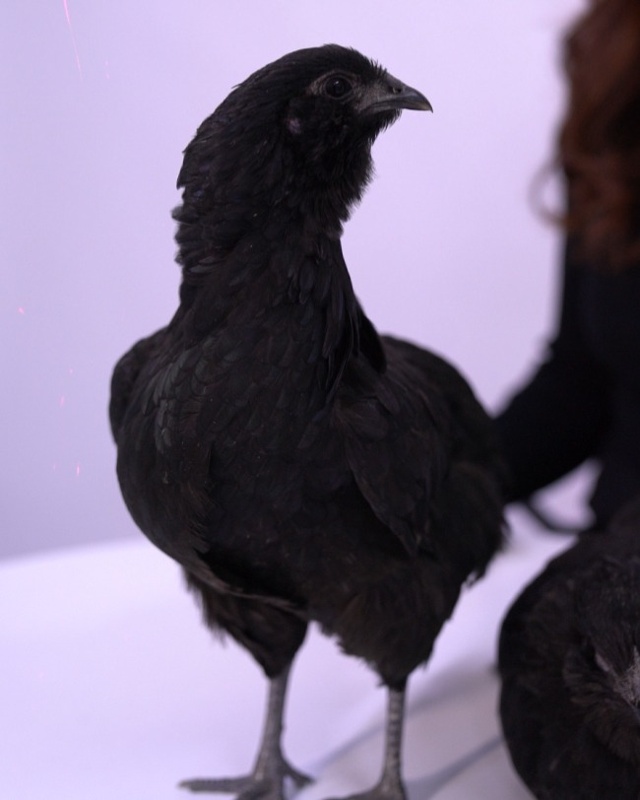
The project is currently at the pilot stage, but work on improving the Kazaukana breeding line is ongoing.
Qazinform previously reported that a team of students from Kazakhstan claimed six medals at the International Junior Science Olympiad (IJSO) 2025 competition in Sochi, Russia.