Kazakhstan’s constitutional renewal: A strategic boost for international investors – Rupert Goodman
Reforms that clarify institutional interaction, strengthen accountability and modernise the constitutional system will further add to the confidence of international investors and policymakers in Kazakhstan, Chairman of the British Kazakh Society Rupert Goodman said in an interview with Qazinform News Agency.
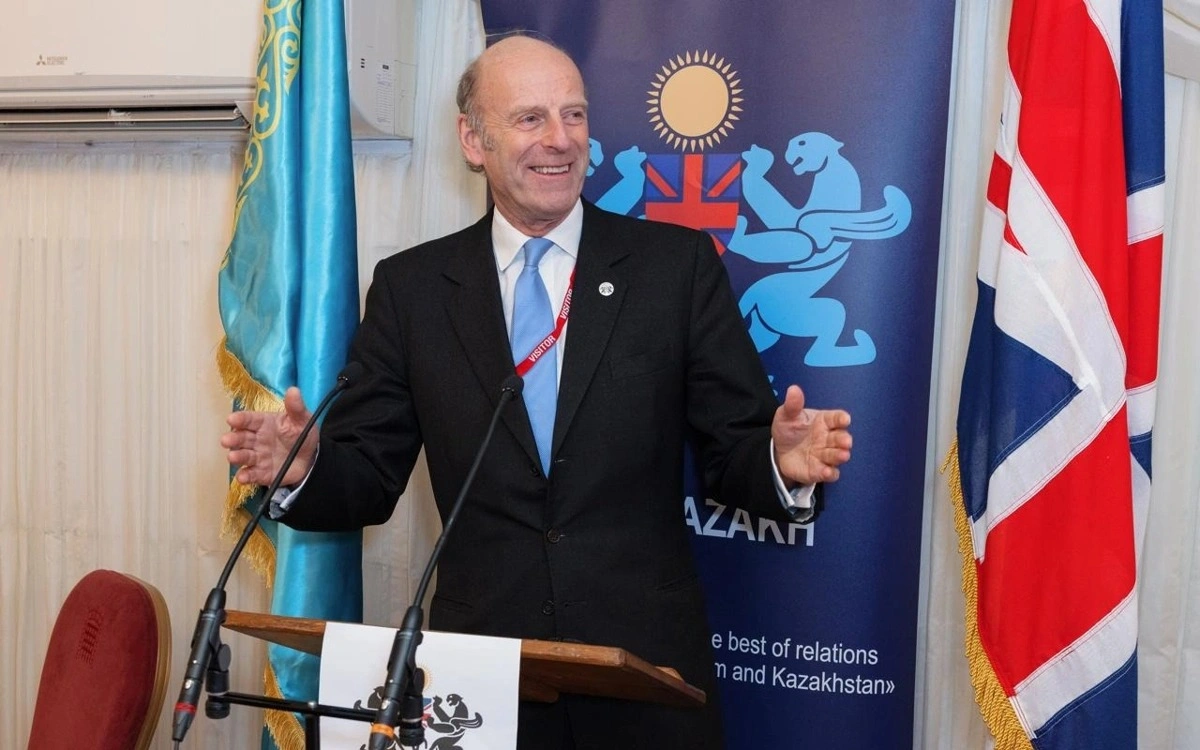
How do you assess the significance of the current political and constitutional reforms in Kazakhstan?
Kazakhstan has undergone an extraordinary transformation and many advances since independence in 1991. The current Political and Constitutional reforms represent further progress in Kazakhstan’s ongoing political development. Constitutional reform provides additional momentum for Kazakhstan’s ongoing institutional evolution and resilience.
The political and constitutional reforms currently underway therefore embody an important stage in the country’s institutional development while addressing new social, economic and geopolitical realities. The proposed Constitutional framework identifies important objectives including clarifying the process of interaction between key mechanisms of government. The presidential system is maintained and includes greater parliamentary involvement thereby broadening shared institutional responsibility through consensus and consultation.
Political continuity is also addressed with the establishment of the oEice of Vice President - with detailed succession procedures proposed. The proprosed Constitution also addresses modern governance challenges relating to digital privacy, transparency, environmental responsibility and social rights.
It is of particular importance that the referendum provides an opportunity for the people of Kazakhstan to express their views on the future framework of the country’s system of governance. Given that these reforms will shape Kazakhstan’s future political and institutional environment - seeking the electorate’s approval via a nationwide vote is to be welcomed. This process also underlines a broader national conversation regarding Kazakhstan‘s future.
From an international perspective, these reforms are also important given Kazakhstan’s key role in Central Asia. The objective of enhancing Kazakhstan’s economic, geopolitical and institutional stability has positive implications for the wider Eurasian landscape. In recent years there has been growing engagement between Central Asia and the UK, as well as other Western countries, exemplified by significant trade and investment partnerships.
The current geopolitical landscape is extremely complex and these reforms are, in many respects, a response to the changing International order. Kazakhstan is a key ally and strategic partner of the United Kingdom across a wide spectrum of sectors including energy, education, technology, AI, critical minerals, finance, manufacturing, pharmaceuticals, agriculture and regional connectivity. A constitutional framework designed to support long-term policy continuity and eEiciency of governance will help deepen these important partnerships.
To what extent do these reforms align with international standards and best practices?
Constitutional reform that results in strengthening of democracy, clarity of governance, further transparency, stability, efficiency and plurality are consistent with principles widely recognised in modern constitutional systems around the world.
The draft constitution also included provisions that highlight contemporary approaches to fundamental rights and governance. Greater attention to issues such as privacy, digital communications, environmental responsibility and transparency in public life reflects modern societal challenges and requirements. Many constitutions adopted, or updated, in recent decades have similarly expanded the remit to include these issues.
Successful constitutional systems are those that deploy widely recognised principles, including the rule of law, accountability and institutional equilibrium, which are consistent with the specific national context and demands. It is notable that Kazakhstan’s current reform process aims to modernise the country’s constitutional framework in ways that synchronise with these broadly shared governance practices.
What impact might these changes have on Kazakhstan’s international partners?
Kazakhstan’s international partners welcome constitutional reform that results in predictability, stability and institutional development. Kazakhstan’s political and ecomonic partners in Europe, Asia and elsewhere will pay close attention to evolving governance systems because strong, efficient and transparent institutional structures create a reliable environment for long-term cooperation.
Kazakhstan is a natural a bridge between Europe and Asia, underlined by many initiatives in energy cooperation, trade corridors and transport connectivity across Eurasia. As these economic and geopolitical links deepen, international partners will focus not only on the country’s economic potential but also on the resilience and stability of the institutional framework. Reforms that clarify institutional interaction, strengthen accountability and modernise the constitutional system will further add to the confidence of international investors and policymakers.
Kazakhstan has a significant role in regional diplomacy and international cooperation exemplified by the country’s leading position as a constructive partner in global initiatives and regional dialogue. Institutional reforms that reinforce the rules-based, multi-lateral system renders international engagement more efficient and consistent.
This referendum and the constitutional reforms demonstrate further progress in Kazakhstan’s national identity and important role in the international community. Kazakhstan has seen dramatic improvements in the living standards of its people since independence with significant economic growth, impressive foreign direct investment (FDI) and the introduction of market orientated reforms. A stable and modern institutional framework supports long-term international partnerships and further enhances Kazakhstan’s global position.
Earlier, Qazinform News Agency shared the opinion of Thai expert Arifin Yama on sweeping reforms and upcoming constitutional referendum in Kazakhstan.