Kazakhstan, US discuss AI and digital cooperation at C5+1 conference in Astana
The C5+1 SI Conference opened in Astana on September 29, bringing together representatives of governments, technology companies and the expert community from Central Asia and the United States to discuss cooperation in AI, digital infrastructure, cybersecurity and technology investment, Qazinform News Agency correspondent reports.

Vice Minister of Artificial Intelligence and Digital Development of Kazakhstan Bakhtiyar Mukhametkaliyev said the C5+1 partnership was moving to a new stage following the first C5+1 summit at the White House last year.
He emphasized the potential of Central Asia's young population, human capital and resources, noting that these factors create opportunities for deeper technological and economic cooperation.
“In Kazakhstan, we are already doing this: President Kassym-Jomart Tokayev declared 2026 the year of digitalization and artificial intelligence,” Mukhametkaliyev said.
According to the Vice Minister, the rapid development of technology will affect economies, industries and the way governments operate, making cooperation in infrastructure, talent and projects increasingly important.
“Our task now is to build for this coalition faster to strengthen the Central Asia’s position at the global economic market. Today, we need to work together. We need to connect our infrastructure, talents, projects, and nations,” he said.
Mukhametkaliyev stressed that discussions should lead to concrete outcomes and said Kazakhstan was ready to work on new partnerships and joint projects.
Mark Cameron, Deputy Assistant Secretary for Central Asian Affairs and Public Diplomacy at the US Department of State, said the current period represented an important stage in US engagement with Central Asia.
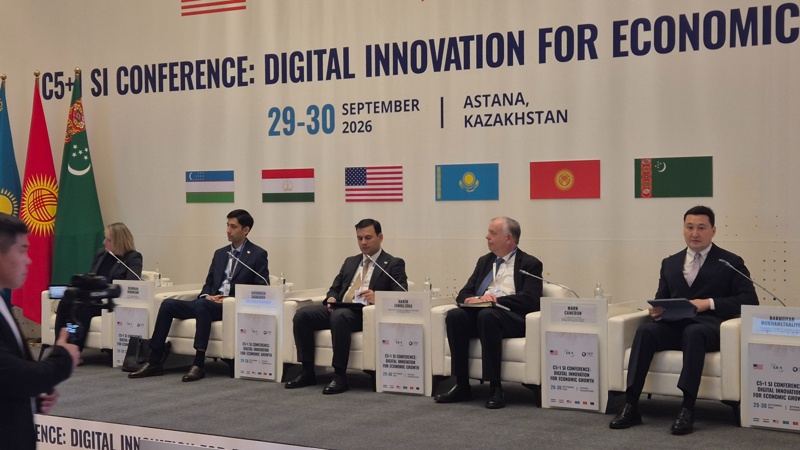
He recalled that last November marked the 10th anniversary of the C5+1 diplomatic platform and was followed by the first C5+1 White House Summit and State Dinner.
According to Cameron, those engagements resulted in the announcement of more than $25 billion in commercial deals and the release of the C5+1 Joint Statement of Intent on Economic Cooperation.
He said the statement outlined commitments related to trusted internet and communications technology and infrastructure, including data center equipment, the protection of cross-border data flows, and the development of AI based on international partnership and respect for sovereignty and opportunity.
Cameron also highlighted the role of cybersecurity in the development of the region's digital sector.
He said the United States had committed $5 million in foreign assistance to support the cybersecurity and digital sector in Central Asia through CRDF Global. The assistance is intended to support cyber hygiene, cyber incident response, critical infrastructure protection, financial-sector security and cybersecurity policymaking.
The US official also pointed to the importance of cooperation between governments and the private sector, encouraging American companies to consider opportunities in Central Asia.
He noted that the United States had integrated the AI and technology sector into the B5+1, the business-to-government counterpart of the C5+1, including through a dedicated AI and IT task force.
Cameron also highlighted recent discussions in Ashgabat on AI and digitization, where more than 60 policy leaders and experts discussed cooperation in areas ranging from satellites and undersea cables to workforce development and data centers.
He said the next two days in Astana would provide an opportunity to present digital initiatives already underway in the region, exchange experience and develop new partnerships.
The conference also addressed national approaches to AI development in other Central Asian countries.
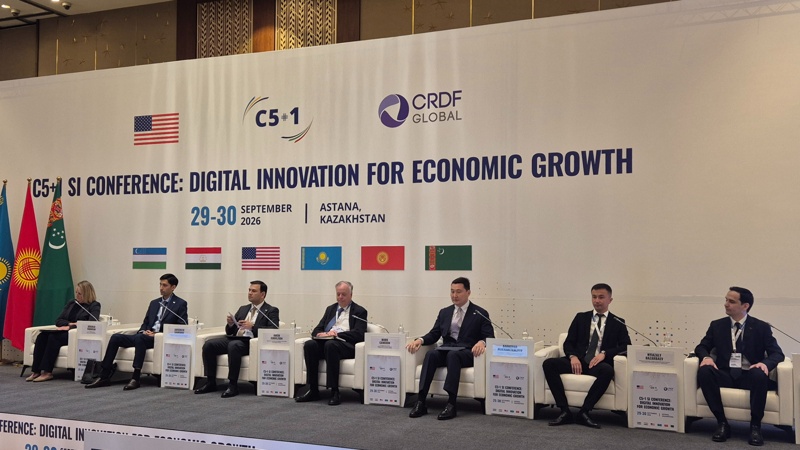
Advisor to the Minister of Digital Development and Innovative Technologies of the Kyrgyz Republic Nyiazaly Bazarbaev highlighted digital infrastructure, cybersecurity, AI education and research, technological entrepreneurship and responsible use of AI as key areas for cooperation.
He also called for joint pilot projects in public administration, secure data exchange, the development of regional digital technologies, AI safety and training.
Adviser to the Minister of Digital Technologies of Uzbekistan on Strategic Development Jakhongir Shukurov said Uzbekistan considers AI development a priority and highlighted the importance of infrastructure, data, human capital, startups and investment.
He also emphasized the potential for closer regional cooperation in education, AI infrastructure, startups and attracting international investment.
Earlier, Qazinform News Agency reported that more than 100 experts gathered in Astana for KazHackStan 2026, Central Asia’s largest cybersecurity conference, to discuss emerging digital threats and the future of cyber resilience.