Kazakhstan to strengthen chess education in schools
Kazakhstan is intensifying efforts to integrate chess into its national school curriculum, following an agreement between the Ministry of Education and the Kazakhstan Chess Federation (Kazchess). The initiative was announced by Grandmaster and First Vice President of the KCF, Darmen Sadvakasov, Qazinform News Agency reports.
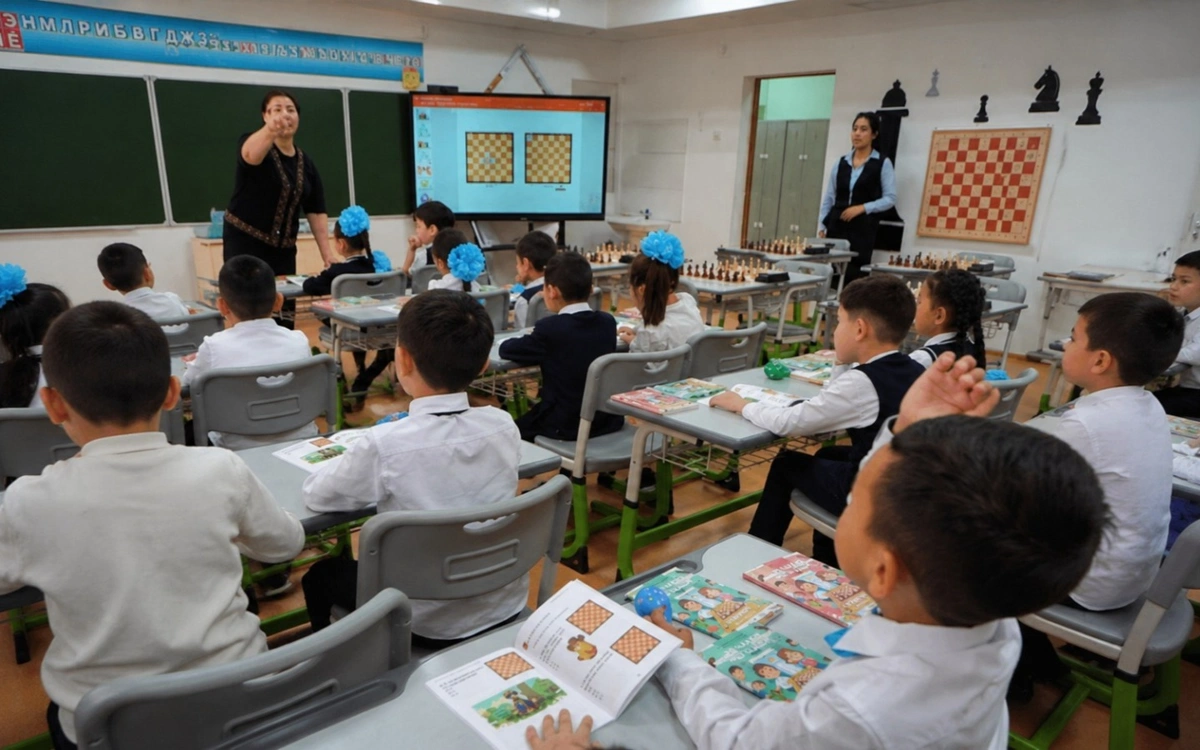
Sadvakassov emphasized that children today face increasing distractions from smartphones, social media, and short-form content, which negatively affect their concentration and ability to absorb information.
“Today, it is important for schools not only to provide knowledge but also to teach children to think, analyze, and focus. And here, chess stands as a very effective tool. It is not just a game. Chess develops logic and memory, teaches decision-making, and helps children understand the consequences of their actions,” Sadvakasov posted on his Facebook account.
In 2023, Kazakhstan approved the 2027 Comprehensive Chess Development Plan, aimed at introduction of the game into the curricula of 1,400 schools. That target has already been surpassed, with more than 1,500 schools - many in rural areas - participating in the program.
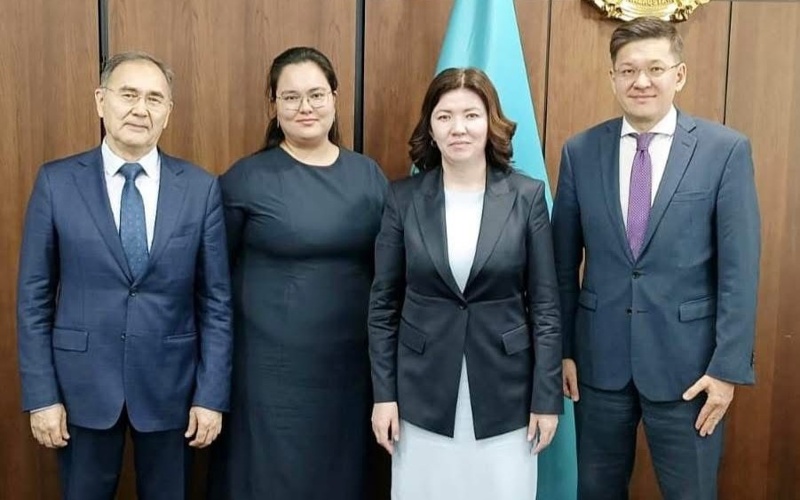
According to him, given this positive trend, special negotiations were held with the Minister of Education of the Republic of Kazakhstan, Zhanna Suleimenova, on the further development of the program. The main goal is to ensure that every child in Kazakhstan has access to high-quality chess education.
"We have received full support for this initiative. Together with the Kazakhstan Chess Federation, a corresponding working group will be created under the ministry, and maximum assistance will be provided,” he stressed.
Additionally, five pedagogical universities have launched programs to train certified chess teachers. More than 200 students are currently enrolled, and by 2028, according to Sadvakasov, Kazakhstan expects to train at least 1,000 specialists with degrees in chess education.
“Chess is not just about playing - it’s about thinking, concentrating, and making decisions. These skills are essential today, and chess is becoming a vital tool in education. This is our contribution to building an intellectual nation,” Sadvakasov concluded.
Earlier, it was reported that Kazakh para chess player Yerlan Nuraliyev had claimed bronze at the IBCA World Team Chess Championship 2026 for persons with visual impairments in Petrovac, Montenegro.