Kazakhstan eyes Russia’s role in strategic rail link to Middle East and India
Moscow hosted the 12th Session of the Interparliamentary Commission on Cooperation between the Majilis of the Parliament of Kazakhstan and the State Duma of the Russian Federation, Qazinform News Agency reports.
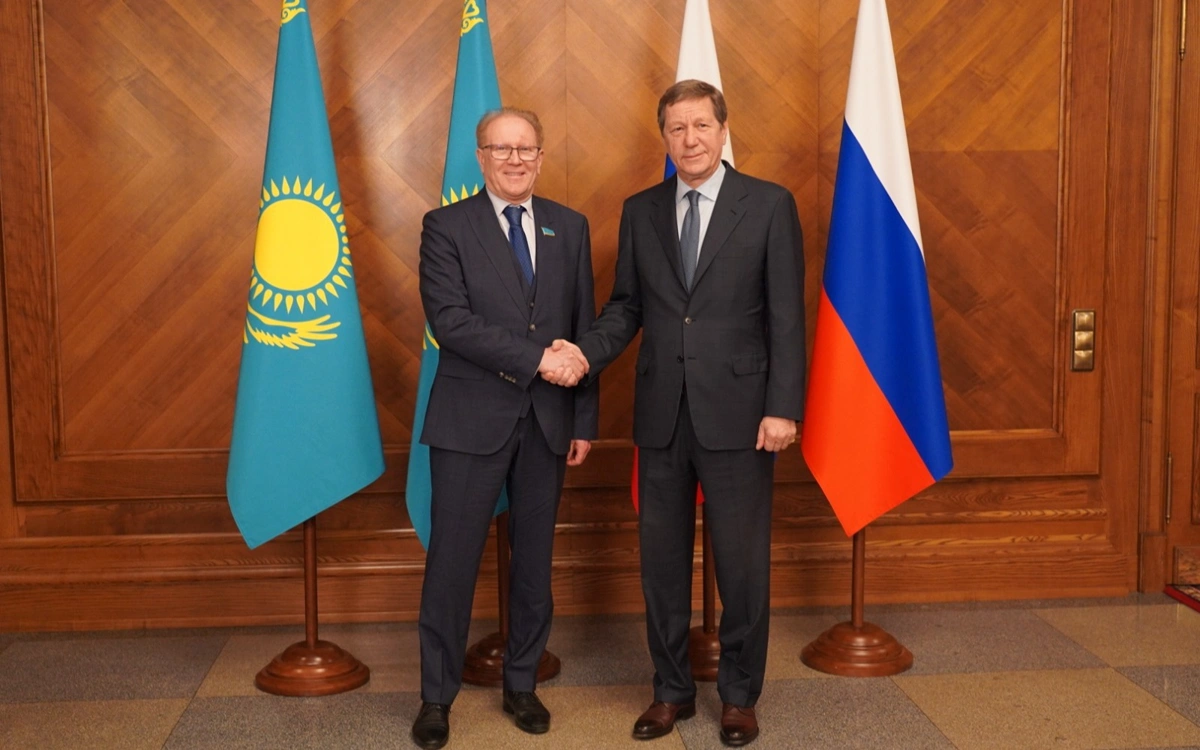
The meeting was co-chaired by Majilis Deputy Speaker Albert Rau and State Duma Deputy Chairman Alexander Zhukov.
The sides reviewed key issues in logistics, energy, agriculture, digitalization, and cultural and humanitarian cooperation.
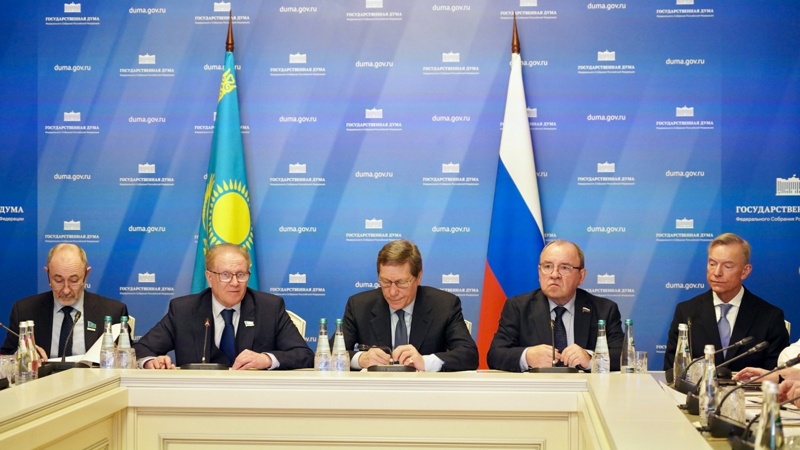
Majilis Member Bolatbek Nazhmetdinuly presented prospects for transport and logistics cooperation, focusing on the development of the North–South International Transport Corridor.
“The launch of a full-fledged overland transportation link of Russia — Kazakhstan — Turkmenistan — Iran — the ports of Bandar Abbas and the Persian Gulf, is strategically vital for us. The route from Beineu to Turkmenistan is already active, and we expect Russia to take a more active role in joining this railway corridor. This project will shorten the logistical path to the Middle East, India, and Africa, positioning it as a potentially key overland artery for Eurasia," the MP stated in his report.
Addressing newly introduced Russian standards and technical regulations, he underscored the need to avoid barriers to mutual trade within the Eurasian Economic Union (EAEU). The position of Kazakhstan’s Parliament members, he noted, is to ensure the smooth circulation of goods across the Eurasian space.
Majilis Agrarian Committee Chairman Serik Yegizbayev raised the issue of creating joint advanced grain-processing projects and expanding cooperation for manufacturing agricultural machinery. He underscored the importance of integrating veterinary and phytosanitary control information systems to expand transit of livestock and crop products to and from third countries. He also proposed lifting temporary restrictions on Kazakhstan’s agricultural exports to Russia.
Speaking on migration policy, Majilis Member Askhat Rakhimzhanov proposed exempting several categories of individuals from the standard Russian requirement limiting their stay to 90 calendar days per year. The proposed exceptions would apply to students, patients of medical institutions, road carriers, passenger train conductors, and other persons who are legitimately in the country due to official, work-related, or other necessity.
The lawmakers also discussed expanding cooperation in gasification of northern and eastern regions of Kazakhstan, collaboration on nuclear energy legislation, and issues related to artificial intelligence regulation, ethical approaches to AI use, cybersecurity, and anti-fraud protection.
Other agenda items included the regulation of Russian university branches in Kazakhstan and tourism development.
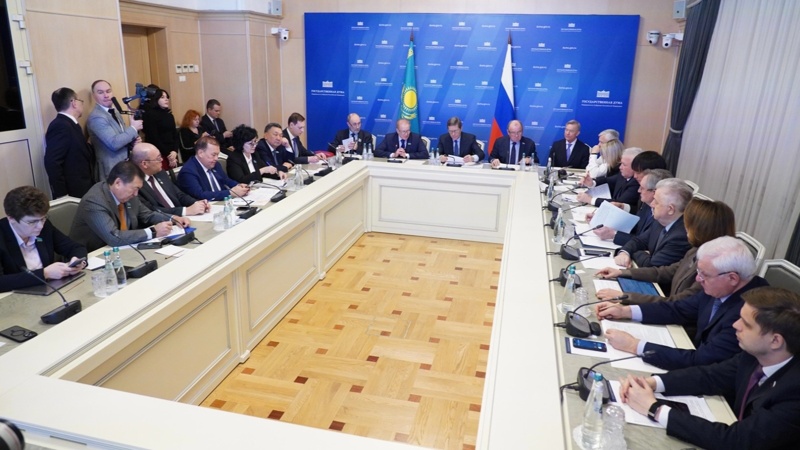
Closing the meeting, co-chairs Albert Rau and Alexander Zhukov expressed confidence that the agreements reached will produce concrete results and give new impetus to the full spectrum of Kazakhstan–Russia cooperation.
Qazinform reported earlier that Kazakh Majilis Speaker Yerlan Koshanov paid an official visit to Morocco.