Kazakh business sector open for cooperation
The Mongolia–Kazakhstan Business Meeting took place at the Mongolian National Chamber of Commerce and Industry (MNCCI) on March 19, aiming to boost economic ties and connect entrepreneurs from both countries, Qazinform News Agency cites MONTSAME.
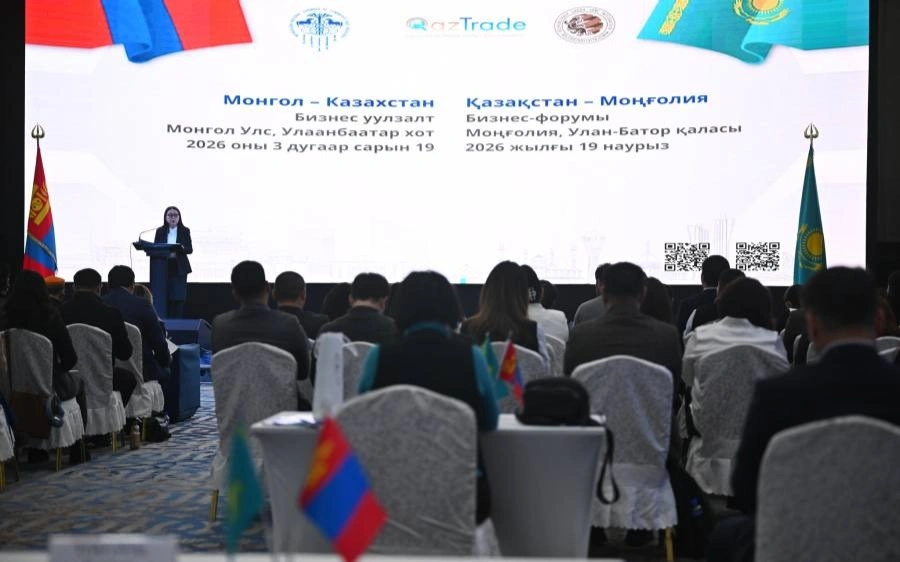
MNCCI CEO Magnaibaatar Tsendsuren emphasized that Mongolia and Kazakhstan share deep historical and cultural bonds, as well as a strategic partnership built on trust. He noted that cooperation has expanded in recent years, particularly in trade and investment, with the establishment of the Mongolia–Kazakhstan Business Council during President Kassym-Jomart Tokayev’s visit to Mongolia in 2024 and its follow-up meeting in Astana in 2025.
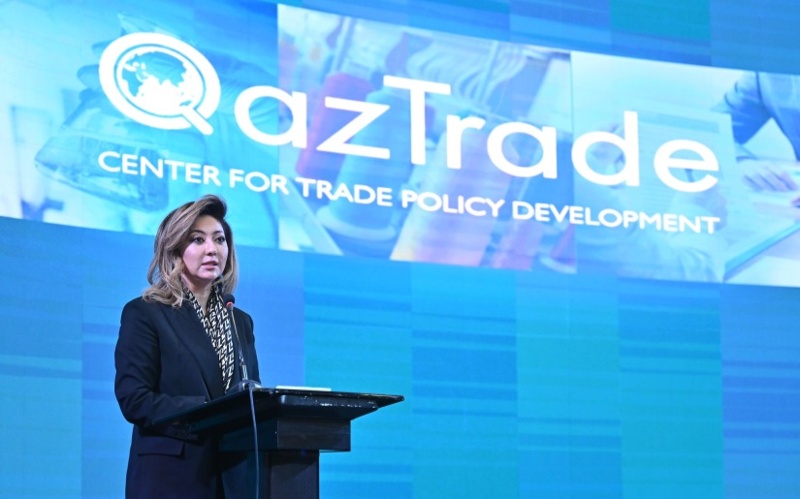
Secretary General Saruul Bulgan highlighted that trade turnover with Kazakhstan reached 60 million US dollars in 2025, a modest figure compared to the potential. With the ratification of the Temporary Trade Agreement between Mongolia and the Eurasian Economic Union, 367 types of goods, mostly agricultural products, can now be exported duty-free. Mongolia plans to triple exports of meat, leather, wool, and cashmere in the near future.
Mining, transport, logistics, energy, and infrastructure were also identified as priority areas for cooperation. Discussions are underway to support Mongolian companies in exporting goods to Europe via Kazakhstan’s free zones.
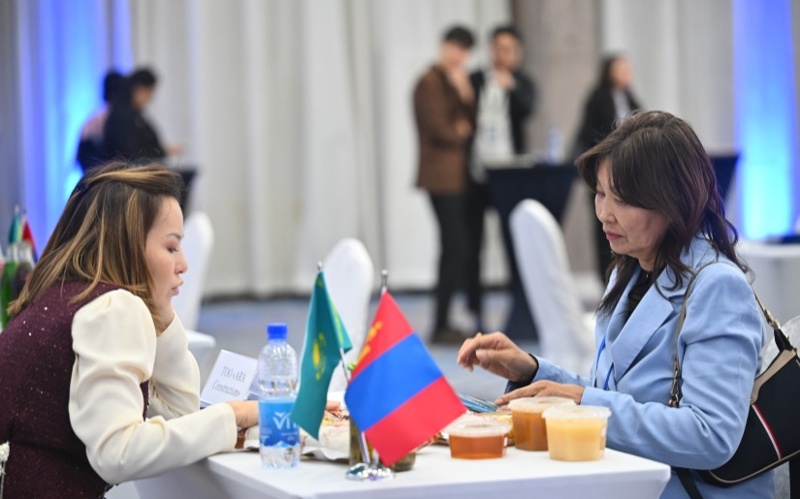
Representatives from Kazakhstan’s food production, foreign trade, construction, chemical, and garment sectors attended the meeting, with several enterprises signing memoranda of understanding to strengthen cooperation.
To note, by the end of 2025, the two countries' trade turnover exceeded $133 million, with Kazakh exports accounting for $123 million. According to QazTrade estimates, trade volume can nearly quadruple in the medium term, potentially reaching $500 million.
Approximately 90% of Kazakhstan’s exports to Mongolia consist of finished products: flour, grain, oils, confectionery and beverages, as well as construction materials, metals, and fuel. There is also ongoing demand for mining equipment, chemical products, and packaging.