Interesting facts about the UN General Assembly
From record-breaking speeches to unusual symbols and even a dinosaur appearance, here are some of the most fascinating facts about the UNGA, Kazinform News Agency correspondent reports.

Brazil always speaks first
It’s traditional that Brazil gives the first speech in the UNGA’s General Debate. This practice dates back to the early days of the UN, when few countries wanted to be the first speaker. Brazil consistently volunteered, which eventually turned into tradition.
The second spot goes to the host country (the US), and then the order of speakers follows a complex algorithm reflecting level of representation, geographical balance, the order in which the request to speak was recorded, and other considerations.
Fidel Castro’s record-breaking four-hour speech
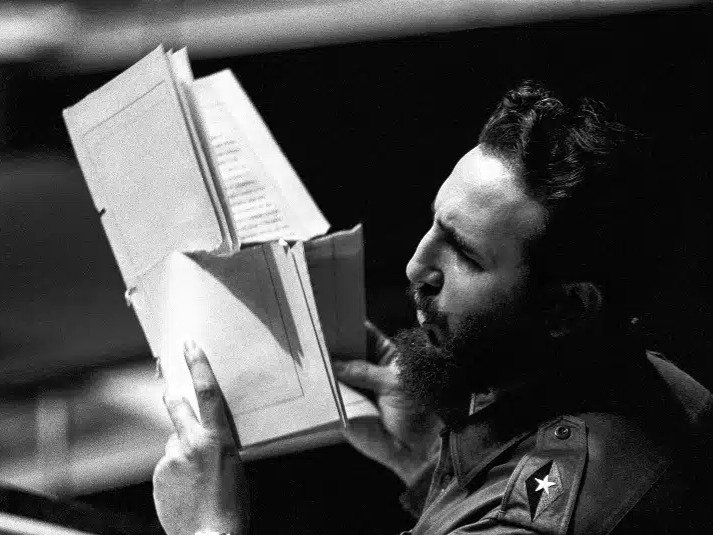
Although delegates are asked to keep their remarks to 15 minutes, some leaders have stretched the rules. The record belongs to Cuban leader Fidel Castro, who spoke for 4 hours and 29 minutes in 1960, the longest speech ever delivered at the UN. Nearly five decades later, Libya’s Muammar Gaddafi spoke for almost 100 minutes in 2009, also far beyond the allotted time.
Chávez сalls Bush “the Devil”
Fiery language has also left its mark. In 2006, Venezuela’s then-president Hugo Chavez branded U.S. President George W. Bush “the devil”. In 1987, Nicaragua’s Daniel Ortega accused the United States of financing rebels in Latin America. The American delegation walked out in protest.
The Icelandic gavel that broke in 1960
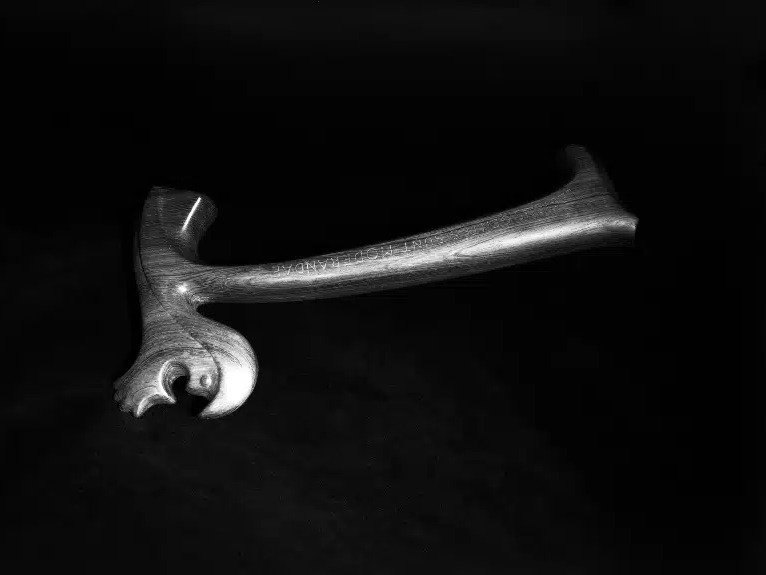
The president’s gavel, a gift from Iceland in 1952, is a key symbol of order in the Assembly. It is used to open and close sessions, confirm agendas, and mark decisions. In 1960, Irish diplomat Frederick Boland, then Assembly president, struck it so forcefully while trying to quiet the hall during Nikita Khrushchev’s shoe-banging protest that the gavel broke.
Indonesia’s attempted withdrawal from the UN
In 1965, Indonesia became the only country ever to announce it was leaving the UN. The decision came amid tensions with Malaysia, which had just taken a Security Council seat. Jakarta later reversed course and rejoined the organization.
Seat assignment by random draw
The seating arrangement in the General Assembly Hall starts with a random draw of a Member State’s name. Whichever state is chosen gets the first seat on the right, and the rest are arranged in alphabetical order from there. This ensures fairness and that no delegation sits in the same spot every year.
The youngest person ever to attend the General Assembly
In 2018, New Zealand Prime Minister Jacinda Ardern made history by bringing her three-month-old daughter to the UNGA. The baby even had its own “New Zealand First Baby” badge. Her presence sparked discussions about gender equality in politics. Ardern, who breastfed her baby, explained that this was why she had brought her.
A dinosaur at the General Assembly
On October 27, 2021, the General Assembly heard an unusual speaker, a dinosaur named Frankie. In a UNDP video shown at the session, Frankie warned countries against continuing to fund fossil fuels, highlighting their role in driving global warming. Of course, the dinosaur was not real, and was produced in a video by the United Nations Development Programme (UNDP).
The first-ever virtual assembly in 2020
The COVID-19 pandemic forced the UNGA into a new format. In 2020, for the first time, world leaders did not gather in New York but submitted pre-recorded video statements.
Earlier, Kazinform News Agency reported on the top UNGA decisions that changed history.