How to recognize plague
Plague is often associated with the deadly pandemics of the Middle Ages, but the disease has not disappeared. Its early symptoms can resemble those of the flu, while some forms of the infection can become life-threatening within hours.

Qazinform News Agency explains how to recognize the warning signs of plague, what makes its different forms dangerous and when to seek medical attention.
Plague is caused by the bacterium Yersinia pestis, which naturally circulates among small mammals and their fleas.
According to the World Health Organization, symptoms usually develop within one to seven days after infection.
The first signs often include a sudden fever, chills, headache, body aches and severe weakness. Some patients also experience nausea and vomiting.

These symptoms are easily mistaken for influenza or another common infection. However, the combination of sudden illness and recent exposure to potentially infected animals or fleas should raise concern.
Fever alone does not indicate plague, and the disease cannot be reliably identified from symptoms without medical testing.
Look for painful swollen lymph nodes
One of the most recognizable signs of bubonic plague, the most common form of the disease, is the appearance of swollen and extremely painful lymph nodes known as buboes.
These swellings most commonly develop in the groin, armpits or neck.
The affected area may become so painful that the person finds it difficult to move normally.
Buboes form when plague bacteria travel through the lymphatic system and multiply inside a nearby lymph node.
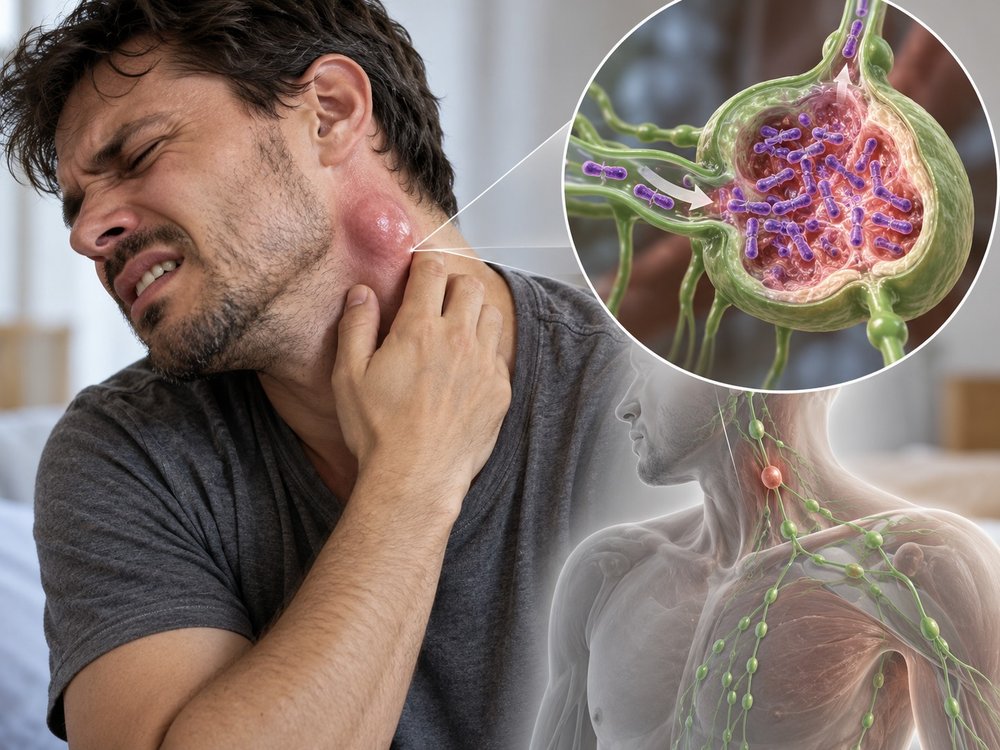
However, not everyone with plague develops buboes, so their absence does not rule out infection.
Pay attention to breathing difficulties
Pneumonic plague affects the lungs and is the most serious form of the infection.
Unlike bubonic plague, it can spread directly between people through infectious respiratory particles, particularly during close contact with an infected person.
Its symptoms include fever, rapidly developing cough, chest pain and shortness of breath. Some patients may cough up bloody or watery sputum.
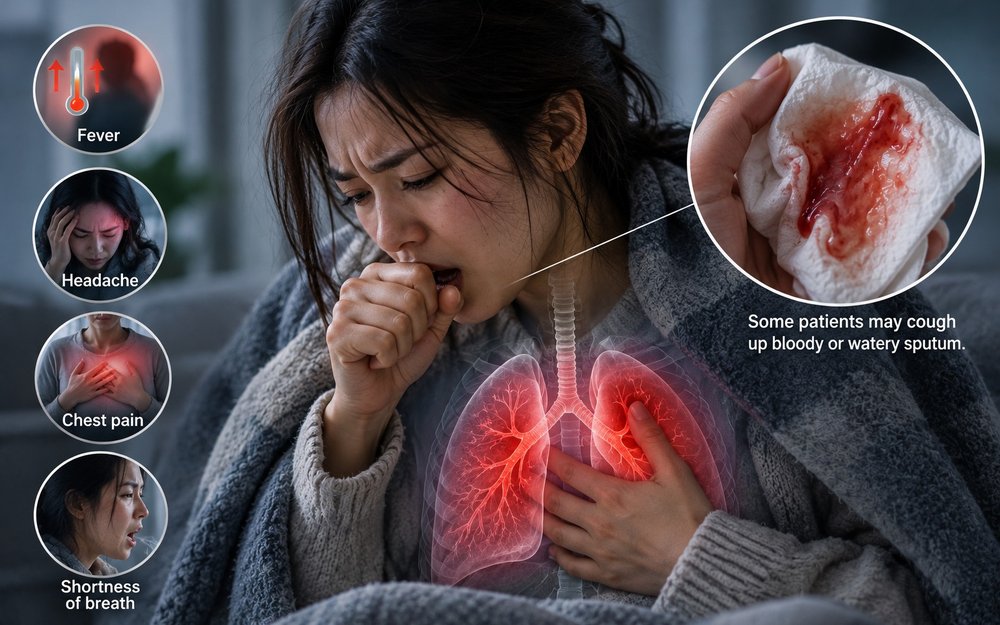
The illness can progress extremely quickly. The WHO warns that pneumonic plague may develop after an incubation period as short as 24 hours.
Difficulty breathing after possible exposure requires emergency medical attention. Patients should not wait for bloody sputum or other severe symptoms before seeking help.
Do not wait for the skin to turn dark
The name Black Death may suggest that plague always causes the skin to darken, but this is misleading.
Dark discoloration can occur in severe cases of septicemic plague, when bacteria enter and multiply in the bloodstream.
This form can cause fever, extreme weakness, abdominal pain, shock and bleeding into the skin or internal organs.
In advanced cases, reduced blood circulation and tissue damage may cause the fingers, toes or nose to turn dark or black.
However, these changes are not present in every patient and may appear only after the disease has become severe.
Septicemic plague can also develop without the characteristic swollen lymph nodes of bubonic plague. Waiting for visible skin changes can therefore delay life-saving treatment.
Think about recent contact with animals
Recognizing plague involves more than checking symptoms. A person’s recent activities and possible exposure to infected animals can be equally important.
The bacteria most commonly reach humans through the bite of an infected flea. Infection can also occur through direct contact with infected animal tissues or bodily fluids.
People who have handled sick or dead rodents, taken part in hunting or skinning wild animals, or visited areas where plague circulates naturally should mention these circumstances to a doctor.
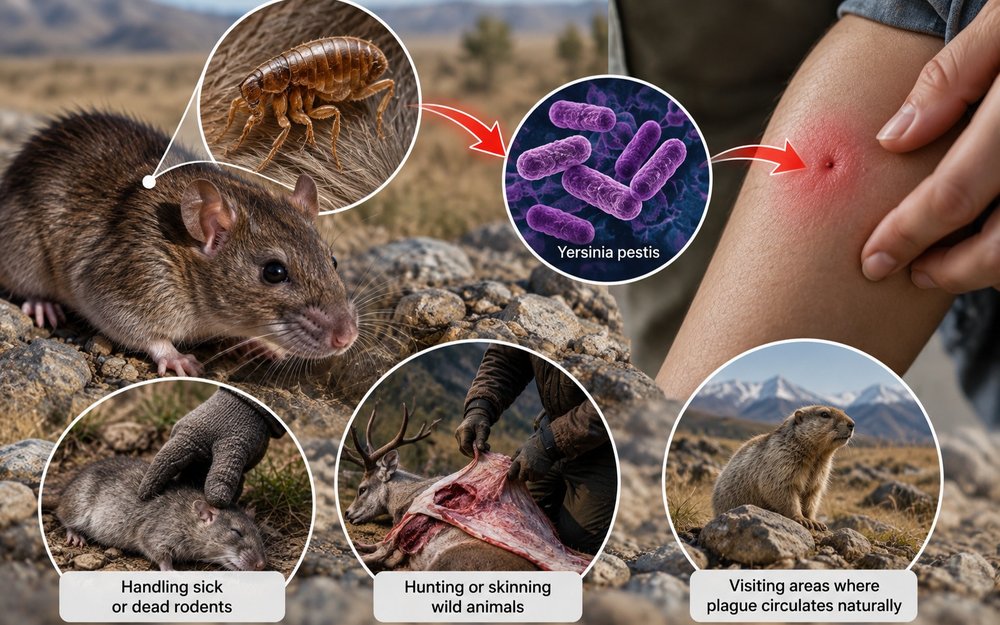
Ordinary person-to-person transmission does not occur with bubonic plague in the way it can with pneumonic plague. Close contact with someone suffering from pneumonic plague, however, is an important exposure risk.
Do not try to diagnose or treat yourself
Plague is a medical emergency when suspected, but it is treatable with appropriate antibiotics.
Diagnosis requires laboratory testing, which may involve samples of blood, fluid from a swollen lymph node or sputum.
Doctors should not delay antibiotic treatment while waiting for laboratory confirmation when plague is strongly suspected.
Patients should tell medical staff about recent travel, flea bites, contact with wild animals or exposure to anyone with suspected pneumonic plague.
If pneumonic plague is suspected, close contact with other people should be limited while medical assistance is arranged. Patients may need to be isolated to prevent transmission.
Reduce the risk of infection
Although plague is uncommon in many parts of the world, precautions are particularly important in areas where the bacteria circulate among wild animals.
The CDC recommends avoiding contact with sick or dead animals, using insect repellent when exposure to fleas is possible and keeping pets protected against fleas.
Rodent nesting areas and food sources around homes should also be reduced to discourage infestations.
People should not handle unexplained animal carcasses without appropriate protection or guidance from local health authorities.
Plague cannot be distinguished reliably from other infections by appearance alone. The most important warning signs are sudden severe illness, unusually painful swollen lymph nodes, rapidly worsening breathing problems and a possible history of exposure.
Early recognition matters because appropriate antibiotic treatment can prevent serious complications and save lives.
Earlier, Qazinform News Agency reported that a 28-year-old woman had died of pneumonia of undetermined origin in Russia’s Irkutsk region, raising concerns about a possible plague infection.
A total of 197 people who had been in contact with the woman were placed under medical observation. None showed symptoms, and all laboratory tests returned negative results.