First Ebola BDBV test listed as treatment trial begins
The World Health Organization has added the first molecular diagnostic test for the Bundibugyo virus (BDBV) to its Emergency Use Listing (EUL), while launching a clinical trial to evaluate the first potential treatments for the disease, Qazinform News Agency reports.
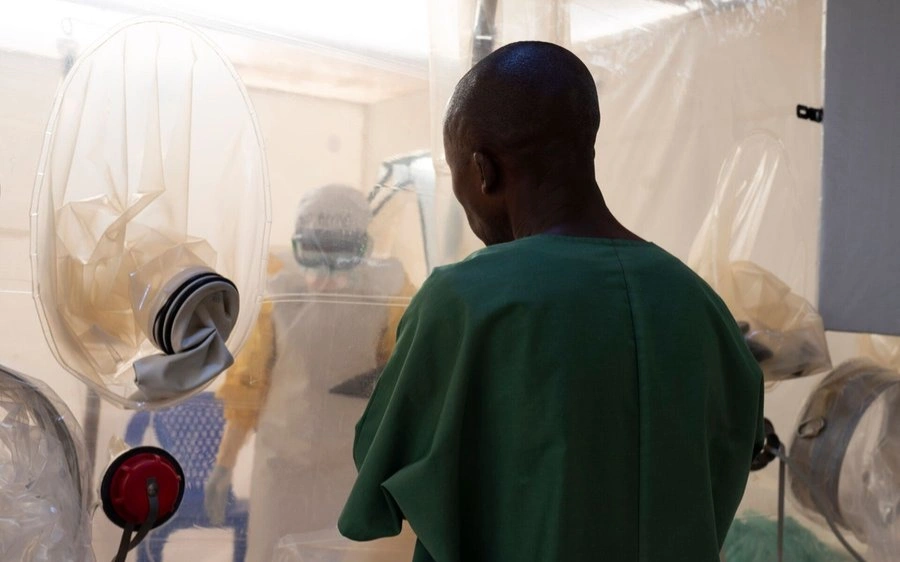
The newly listed test detects the virus’s genetic material in blood samples, enabling rapid confirmation of infection and supporting a faster outbreak response.
“During a fast-moving outbreak, timely access to quality-assured diagnostic tests can make a critical difference in containing transmission. Through this Emergency Use Listing, WHO is helping countries access trusted diagnostic tools more rapidly so that they can respond more effectively,” said Dr Yukiko Nakatani, WHO Assistant Director-General for Health Systems, Access and Data.
The move comes as the Democratic Republic of the Congo faces the recorded Bundibugyo Ebola outbreak, with more than 1,400 confirmed cases, about 210 recoveries, and nearly 440 deaths. WHO and the Africa Centres for Disease Control and Prevention (Africa CDC) have expanded laboratory testing, with a reported capacity of more than 2,000 tests per day across 10 laboratories.
At the same time, WHO has begun enrolling patients in the PARTNERS (Platform Adaptive Randomised Trial for New and Repurposed Filovirus Treatments) clinical trial in the Democratic Republic of the Congo. The study will assess the effectiveness of the monoclonal antibody MBP134, the antiviral drug remdesivir, and their combination in treating Bundibugyo virus disease.
“We urgently need treatments that can help people affected by Bundibugyo virus disease. One of the key lessons from recent outbreaks is that research needs to happen alongside the response, not after it,” said Professor Amanda Rojek, PARTNERS Trial Operations Lead and Associate Professor of Health Emergencies, at the Pandemic Sciences Institute, University of Oxford.
The PARTNERS trial aims to evaluate whether monoclonal antibodies and antivirals improve BVD outcomes and reduce mortality. It provides a sustainable platform for generating evidence on Ebola and Marburg treatments across outbreaks.
“The PARTNERS trial gives us an opportunity to evaluate potential treatments during the outbreak itself, so that the evidence generated can help inform patient care when it is needed most – in months rather than years,” Amanda Rojek added.
Bundibugyo virus disease is a severe, often life-threatening illness caused by BDBV, one of three Ebola virus species known to cause large outbreaks in humans. The virus can spread from animals to humans and through direct contact with infected people or their bodily fluids, or with surfaces or items contaminated by these fluids.
Earlier, Qazinform News Agency reported that the government of the Democratic Republic of the Congo had released updated figures on the ongoing Ebola outbreak, declared in mid-May 2026.