

Chinese company to build waste-to-energy plants in Kazakhstan
Chinese environmental technology company China Tianying Inc. plans to build waste-to-energy plants in Kazakhstan under a new investment initiative aimed at expanding the country's municipal waste processing capacity and promoting cleaner energy technologies, Qazinform News Agency cites the press service of the Kazakh Government.
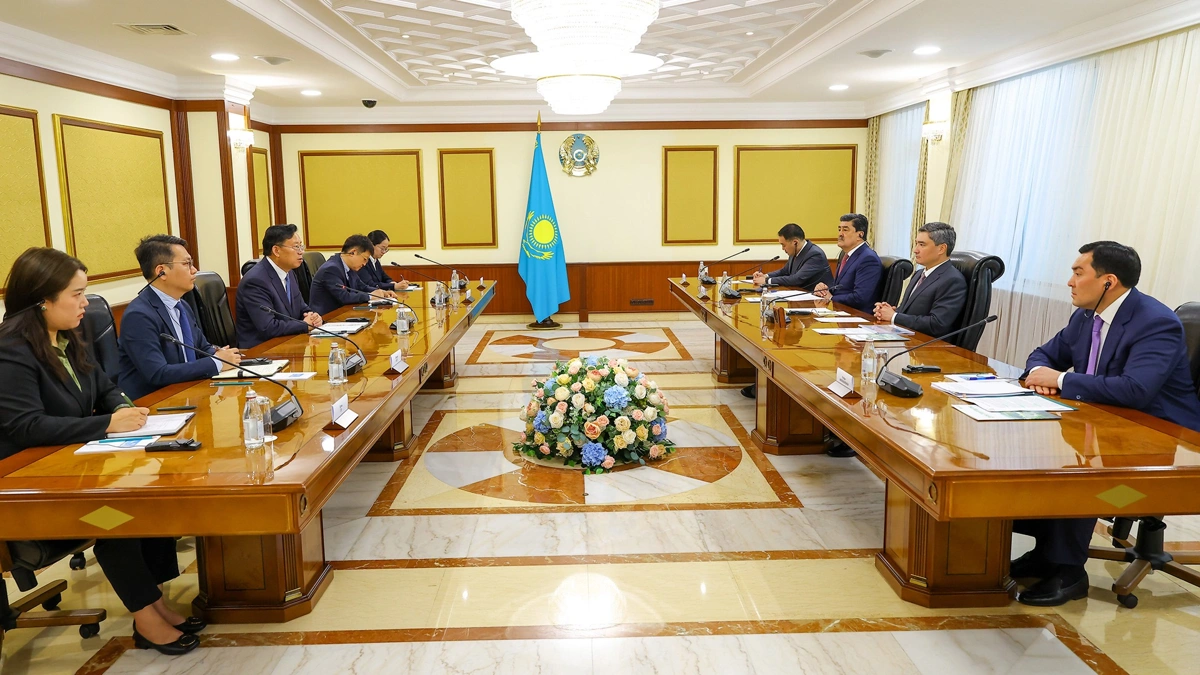
The project was discussed during a meeting between Kazakhstan's Prime Minister Olzhas Bektenov and Cao Debiao, President of China Tianying Inc. and Secretary of the company's Party Committee.
The talks focused on investment projects for the recycling and energy recovery of municipal solid waste, including plans to construct facilities in Kazakhstan's major cities and smaller regional centers.
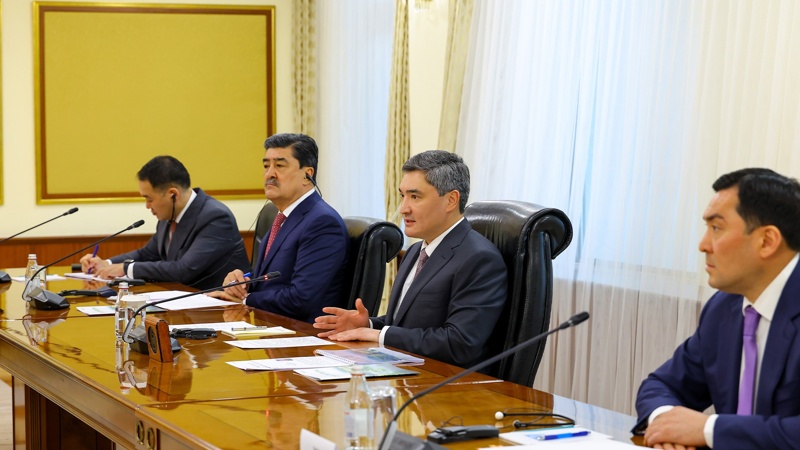
Thanks to the trusting and constructive dialogue between the leaders of our countries, Kassym-Jomart Tokayev and Xi Jinping, bilateral cooperation is developing confidently across all sectors of the economy and reaching a new level, Bektenov said.
"Trade turnover between Kazakhstan and China reached 48 billion US dollars last year. The Government is making every effort to fulfill the task set by our heads of state to double bilateral trade," he added.
According to the Government, Kazakhstan and China have already implemented 77 joint investment projects worth 13.3 billion US dollars, creating more than 21,600 jobs, while another 269 initiatives are included in the countries' long-term cooperation portfolio.
Waste-to-energy has become one of the fastest-growing areas of bilateral cooperation. Kazakhstan is currently developing waste-to-energy plants in Astana, Almaty, and Shymkent, while similar technologies are expected to be introduced in other regions.
China Tianying has more than 20 years of experience in waste treatment and renewable energy projects, with operations in more than 30 countries, including Singapore, the Maldives, and France.
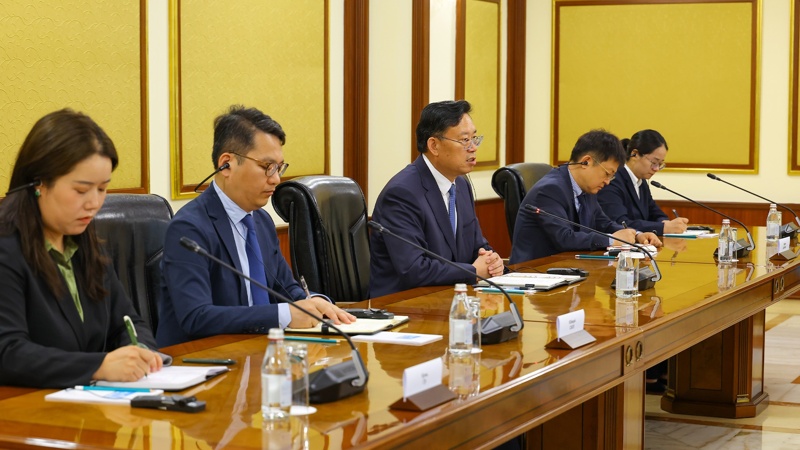
Cao stressed the company's technology meets advanced European environmental standards.
We operate in two key areas: environmental protection projects and the development of new energy technologies. Our facilities currently process 4,000 tons of municipal solid waste per day, and this capacity will eventually increase to 7,000 tons per day. The company provides a full production cycle: from engineering design and equipment manufacturing to construction, commissioning, and long-term maintenance, he said.
The discussions also covered the construction of smaller waste-processing plants with capacities ranging from 250 to 500 tons of waste per day, which are considered better suited for regions where waste volumes do not justify large-scale facilities.
Municipal waste recycling projects in Kazakhstan are currently implemented under Investment Agreements. For waste-to-energy projects, the government has established a feed-in tariff of up to 55 tenge per kilowatt-hour for electricity generated from waste.
Following the meeting, Bektenov instructed government agencies to accelerate negotiations with China Tianying and facilitate the implementation of the investment project.
The Ministry of Ecology, together with other relevant government agencies, must complete the final stage of negotiations with the company as soon as possible and, within two weeks, submit for approval an Investment Agreement providing for the construction of municipal solid waste treatment plants in at least three major cities of Kazakhstan, Bektenov said.
Earlier, Qazinform reported Kazakhstan-China freight traffic rises to 18.7 million tons in the first half of 2026.