

Beyond Ozempic: The truth behind the new peptide weight-loss craze
From burning fat and preserving muscle to slowing aging, peptides are being promoted online as the next breakthrough in weight loss. But are they really different from Ozempic and Mounjaro, and what does a recent U.S. policy shift mean for their safety? Endocrinologist Diana Kuanyshbayeva explains the science behind the growing trend, Qazinform News Agency reports.

Social media has become flooded with claims about “peptide weight loss,” with influencers promoting injections that supposedly accelerate metabolism, burn fat and deliver results without the drawbacks of conventional obesity treatments.
The trend has gained further attention following discussions in the United States over expanding access to certain experimental peptides. However, medical experts warn that the growing excitement may be blurring the line between proven treatments and substances whose effects on humans remain largely unknown.
According to endocrinologist Diana Kuanyshbayeva, the first thing consumers should understand is that “peptide weight loss” is not a recognized medical term.
“Peptide weight loss is a marketing term, not a medical one. Peptides are short chains of amino acids, and they include substances such as insulin, glucagon, GLP-1 and growth hormone. The word ‘peptide’ itself tells us nothing about a drug’s quality or effectiveness,” Kuanyshbayeva explained.
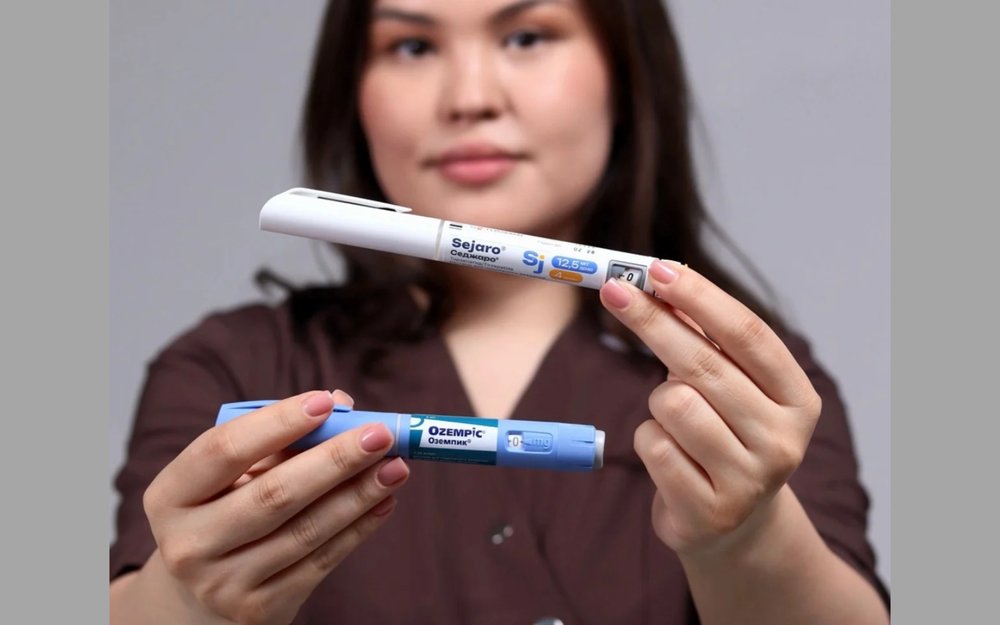
She said the term is often used to describe two very different categories: medications that mimic intestinal hormones to suppress appetite and experimental substances, such as BPC-157, for which evidence supporting weight loss is extremely limited.
The popularity of these products, she explained, is largely driven by the success of semaglutide and tirzepatide, which have demonstrated substantial weight-loss results but can be expensive or difficult to access.
“Influencers and online sellers have started offering what they claim is the same thing, only easier to obtain and cheaper,” she said.
Are peptides really different from Ozempic and Mounjaro?
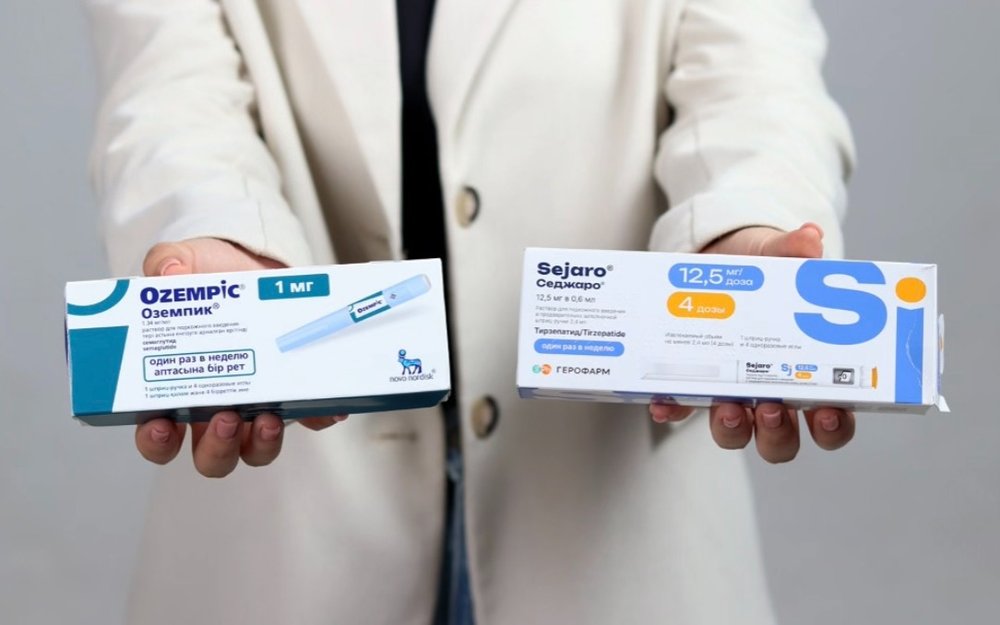
Despite claims that peptide injections represent a new generation of weight-loss treatments, Kuanyshbayeva pointed out an important detail: Ozempic and Mounjaro are already peptide-based medications.
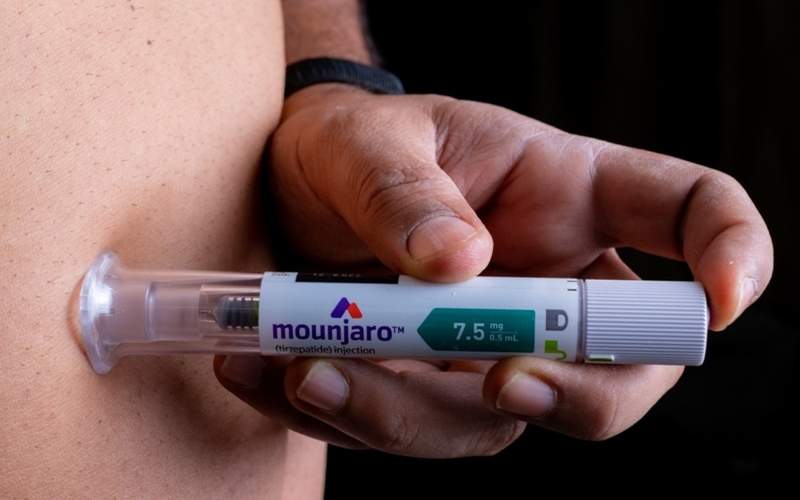
Ozempic contains semaglutide, which acts on GLP-1 receptors, while Mounjaro contains tirzepatide, which targets both GLP-1 and GIP receptors. These medications help regulate appetite and blood sugar levels.
“There is no fundamental difference if we are talking about genuine medications. Semaglutide and tirzepatide are peptides themselves. The breakthrough in obesity treatment happened about five years ago, not today,” Kuanyshbayeva said.
According to the specialist, products marketed as new peptide treatments may contain familiar substances obtained from unverified suppliers, experimental drugs such as retatrutide, or compounds that have never been properly studied for weight management.
The distinction becomes particularly important when evaluating advertising claims.
While approved GLP-1-based treatments have demonstrated benefits for weight reduction and metabolic health, claims about dramatically accelerating metabolism, preserving all muscle mass or reversing aging are not supported by comparable evidence.
“Burning fat and speeding up metabolism are inaccurate descriptions. People primarily lose weight because they eat less. Muscle mass can also decrease during rapid weight loss, which is why adequate protein intake and strength training are important,” she explained.
She added that there is no convincing evidence that these treatments slow human aging. Research involving some experimental peptides, including BPC-157, remains extremely limited.
Could a new drug outperform Ozempic and Mounjaro?
Although many products advertised online lack scientific support, researchers are developing medications that could potentially surpass existing obesity treatments.
One of the most closely watched candidates is retatrutide, an experimental drug developed by Eli Lilly.
Unlike semaglutide, which targets one hormone receptor, and tirzepatide, which targets two, retatrutide acts on three: GLP-1, GIP and glucagon receptors.
According to Eli Lilly’s Phase 3 trial results, announced in May 2026, participants receiving the highest studied dose lost an average of 28.3% of their body weight over 80 weeks.
In an extension involving participants with a baseline body mass index of at least 35, average weight loss reached 30.3% after 104 weeks.
These figures have attracted considerable attention because they exceed the average weight reductions reported in several earlier trials of existing medications. However, comparisons across separate studies do not establish that one drug is superior to another.
“New peptides could be more effective, but we are talking about medications undergoing full clinical trials. Retatrutide is one of the most promising examples. At the same time, gastrointestinal side effects are common, and the drug has not yet received regulatory approval,” Kuanyshbayeva said.
In October 2026, Eli Lilly also announced results from a head-to-head trial in adults with type 2 diabetes. Participants receiving retatrutide lost an average of 20% to 21% of their body weight over 80 weeks, compared with 9% among those receiving Ozempic at a 2-mg dose.
Kuanyshbayeva also identified combinations such as cagrilintide with semaglutide and oral weight-loss medications as promising areas of research.
What does the U.S. decision actually mean?
The debate surrounding peptides has intensified following regulatory discussions in the United States.
In July 2026, the U.S. Food and Drug Administration’s Pharmacy Compounding Advisory Committee reviewed several peptide substances, including BPC-157, KPV, TB-500 and MOTS-c, for possible use in pharmacy compounding.
According to the FDA’s official meeting materials, MOTS-c was considered in connection with obesity and osteoporosis, while several other substances were evaluated for entirely different potential uses.
Kuanyshbayeva said subsequent U.S. policy discussions about easing restrictions on certain compounded peptides should not be confused with approval of those substances as medicines.
“This is not recognition of their safety or effectiveness. It is a decision concerning enforcement and access, not drug registration. None of the six peptides involved has been approved as a medicine, and none has established evidence supporting its use as an approved weight-loss treatment,” she explained.
The distinction matters because allowing certain pharmacies to prepare a substance under specific conditions does not mean that the substance has passed the clinical trials required for an FDA-approved medication.
The FDA has also identified potential safety concerns involving some experimental peptides, including limited human safety data and risks associated with impurities.

Who actually needs weight-loss medication?
As peptide-based treatments become increasingly visible online, another question arises: should people who simply want to lose a few kilograms consider these injections?
According to Kuanyshbayeva, medications approved for chronic weight management are generally prescribed to adults with a body mass index (BMI) of 30 or higher, or 27 or higher when accompanied by weight-related health conditions.
These may include high blood pressure, type 2 diabetes, abnormal cholesterol levels or obstructive sleep apnea. Specific indications vary by medication and jurisdiction.
“Someone who wants to lose five to seven kilograms generally does not need this kind of treatment. The potential benefit may be small, while side effects, muscle loss and weight regain after stopping treatment are real concerns,” Kuanyshbayeva said.
The specialist emphasized that obesity is a chronic disease requiring long-term management rather than a cosmetic problem that can always be solved with an injection.
For people without medical indications for weight-loss medication, she recommends focusing on nutrition, sleep, regular physical activity and strength training.
What are the hidden risks?
Even registered medications can cause adverse effects.
Common side effects of GLP-1-based treatments include nausea, vomiting, diarrhea and constipation. Other concerns include gallbladder problems, pancreatitis and loss of lean body mass during substantial weight reduction.
Certain medications also carry contraindications, including a personal or family history of medullary thyroid carcinoma.
However, Kuanyshbayeva said the uncertainty surrounding experimental peptides is considerably greater.
“With unregistered peptides, we know almost nothing about their long-term safety, their potential effects on cancer risk or their interactions with other medications,” she said.
Product quality presents another concern.
Unlike registered medications manufactured under established pharmaceutical standards, substances purchased from unverified online suppliers may contain incorrect doses, impurities or contaminants.
Some products are explicitly labeled “for research purposes only,” indicating that they are not intended for human use.
“The main danger is that people do not know what they are injecting. There is no proper medical assessment or supervision, meaning contraindications and side effects may go unnoticed,” Kuanyshbayeva warned.
She advised consumers to be particularly cautious of sellers promising simultaneous weight loss, anti-aging effects and muscle growth, especially when their claims rely on influencer testimonials rather than published clinical trials.
What happens when the injections stop?
One of the biggest concerns surrounding weight-loss medications is whether the results last after treatment ends.
Research suggests that substantial weight regain is common after discontinuing GLP-1-based therapy.
In the STEP 1 trial extension, participants who discontinued semaglutide regained approximately two-thirds of their previous weight loss within one year.
Another clinical trial involving tirzepatide found that participants switched from the medication to a placebo experienced an average weight increase of approximately 14% over the following 52 weeks.
Kuanyshbayeva explained that this is not evidence of drug dependence.
“The reason is physiological. Appetite returns, and the body activates mechanisms that protect it against weight loss. That is why obesity treatment is often long-term, just like treatment for hypertension. This is not addiction; it is a characteristic of the disease itself,” she said.
For many experimental peptides, comparable long-term data are unavailable.

The future of weight loss - or just another trend?
Despite the concerns, Kuanyshbayeva believes peptide-based medications will continue to play an important role in the future of obesity treatment.
However, she stressed that promising laboratory findings and early clinical results should not be mistaken for evidence that a substance is ready for widespread medical use.
Asked what she would tell a patient requesting experimental peptides instead of Ozempic or Mounjaro, she said her first step would be to establish exactly which substance the patient wanted and whether medication was medically indicated.
“We have medications that have been studied in tens of thousands of people. But I cannot describe substances sold as ‘peptides’ without proper research as either effective or safe, and I would not prescribe them,” Kuanyshbayeva said.
If treatment is appropriate, the specialist recommends selecting a registered medication alongside a long-term plan involving nutrition, physical activity and medical monitoring.
Otherwise, lifestyle changes remain the preferred approach.
“The future of obesity treatment really does lie in new molecules. But the difference between ‘the future’ and ‘safe today’ is completed clinical research and regulatory approval. People should not simply follow the trend,” she concluded.
For now, the growing popularity of peptide weight loss appears to be moving faster than the science behind many of the products being promoted online. While approved medications have already transformed obesity treatment and new drugs show promising results, experimental peptides still face a crucial test: proving that they are both effective and safe.
As Kuanyshbayeva emphasized, the real breakthrough is not simply developing another injection, but ensuring that patients have access to treatments backed by reliable clinical evidence rather than social media promises.
Earlier, Qazinform reported that the U.S. Department of Health and Human Services had introduced a draft policy easing restrictions on six unapproved peptides, allowing licensed pharmacies and physicians to prepare them under certain conditions. However, the policy does not constitute FDA approval or establish the substances’ safety and effectiveness.