Belgium eyes minerals, AI and Middle Corridor ties ahead of historic royal visit
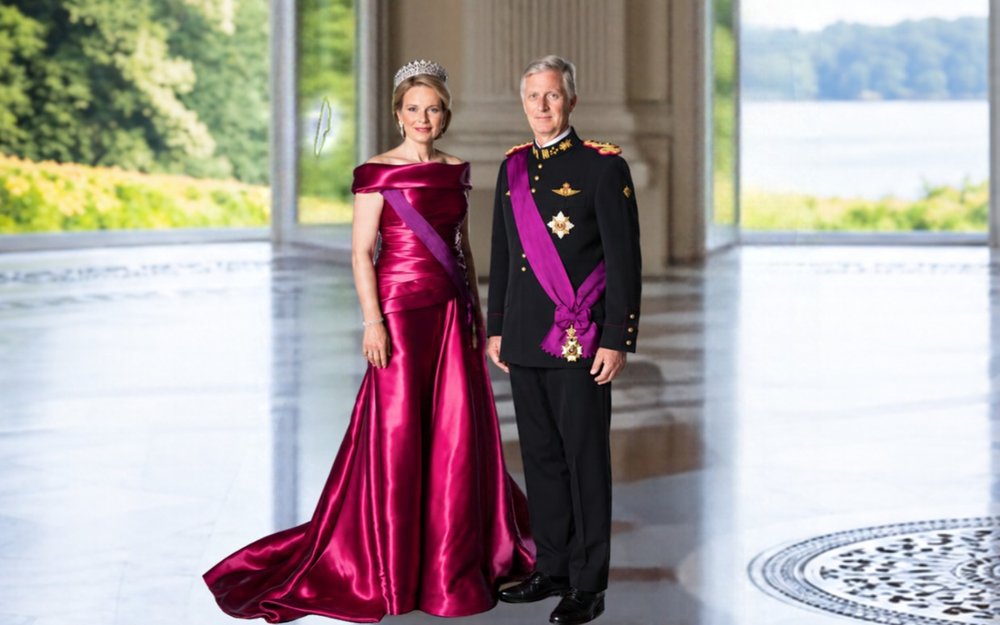
Belgium sees critical minerals, artificial intelligence, healthcare and culture as the four pillars of the upcoming state visit of King Philippe and Queen Mathilde to Kazakhstan, Qazinform News Agency correspondent reports.

Belgium recognized Kazakhstan's independence on December 31, 1991, and the two countries established diplomatic relations on August 25, 1992. Belgium opened its embassy in Astana in 2006. King Philippe visited Kazakhstan three times as crown prince, traveling to Baikonur in 2002 and 2009 for space launches involving Belgian astronaut Frank De Winne and leading an economic mission to the country in 2010.
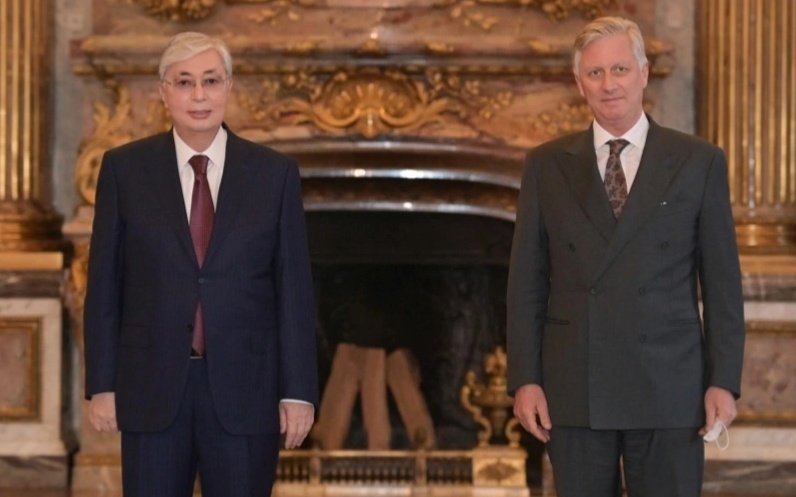
It will be the first state visit by a reigning Belgian monarch to Kazakhstan and to Central Asia, reflecting Belgium's willingness to diversify its global partnerships and engage with countries offering strategic opportunities.
The King and Queen will make the visit together, which is a state visit by Their Majesties.
The royal couple will be accompanied by a 110-member delegation that includes four ministers, 25 CEOs, 10 university rectors and 13 journalists. Four of Belgium's six governments will be represented. The ministerial group is led by Federal Minister of Mobility, Climate and Ecological Transition Jean-Luc Crucke, alongside Brussels Minister-President Boris Dilliès, Walloon Minister-President Adrien Dolimont and Flemish Minister Cieltje Van Achter. The business delegation represents sectors including pharmaceuticals, agriculture, critical minerals, logistics and transport.
Critical minerals
Kazakhstan's strengths lie in extraction and processing, while Belgium's expertise, particularly in recycling, lies further along the supply chain.
At a briefing for journalists at the Embassy of Belgium, officials said Belgian companies were particularly interested in Kazakhstan's minerals. They highlighted molybdenum, which is already mined in Kazakhstan and used by one Belgian company, and said the embassy would provide a more detailed list later.
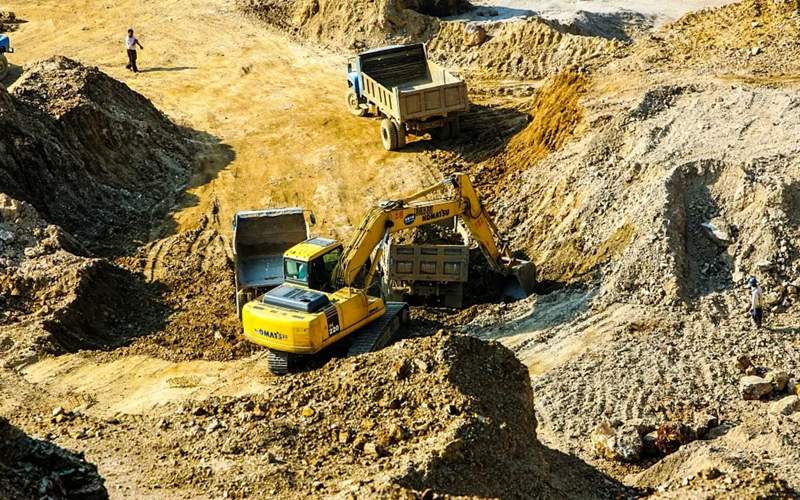
They also noted that Belgium has a special envoy for critical minerals who will not join the state visit but is expected to travel to Kazakhstan on a follow-up mission. "We want to keep the momentum when it comes to critical minerals," embassy representatives said.
A roundtable at Nazarbayev University during the visit will bring together CEOs and university representatives from both countries to discuss industrial and academic research cooperation in the sector.
No branch campuses, more joint research
One of the agreements to be signed during the visit involves a Kazakh university, reflecting the need to build capacity on both sides.
"We also need to learn from your experience here. Capacity building and learning need to go both ways," embassy representatives said.
Representatives of the Belgian embassy also noted that Belgian universities do not plan to open branch campuses in Kazakhstan. Instead, the focus will be on joint research and closer cooperation between universities. The full texts of the agreements are to be published after they are signed.
Artificial intelligence will be addressed mainly from an academic perspective, with a rectors' forum on AI in research and education planned during the visit. In healthcare, the embassy highlighted Belgium's strengths in the pharmaceutical industry and identified nuclear medicine as a promising area for cooperation.
Middle Corridor
Speaking about the Trans-Caspian International Transport Route, also known as the Middle Corridor, Belgian embassy representatives said the Port of Antwerp-Bruges, the second-largest port in Europe, stands to play a major role as cargo moves from China across the corridor and onward to Europe.
"The Middle Corridor obviously will help shorten supply chains," they said, adding that the port's role "can only be stronger" as the route develops.
Belgian officials cited Jan De Nul, Sarens and H.Essers as companies already active in the corridor's transport and logistics segments. Jan De Nul carried out dredging works at Kazakhstan's Caspian port of Kuryk, deepening its access channel to accommodate larger vessels.
According to Kazakhstan's Foreign Ministry, Ambassador to Belgium Roman Vassilenko and representatives of the Port of Antwerp-Bruges discussed on September 23 the possibility of training Kazakh port specialists in Antwerp and using the port as a European hub for Kazakh metals, critical raw materials, petrochemical products and agricultural goods.
Asked about easing Schengen visa procedures for Kazakh citizens, a representative of the Belgian embassy said the issue was not part of the state visit. The representative noted that work on the matter was underway, but there was no specific timeline.
Earlier, Qazinform reported that Kazakhstan and the Belgian province of Antwerp agreed to deepen cooperation in trade, investment, logistics, innovation, and digital technologies.