Action Forum 2026: Volunteering, crisis preparedness and Astana Declaration
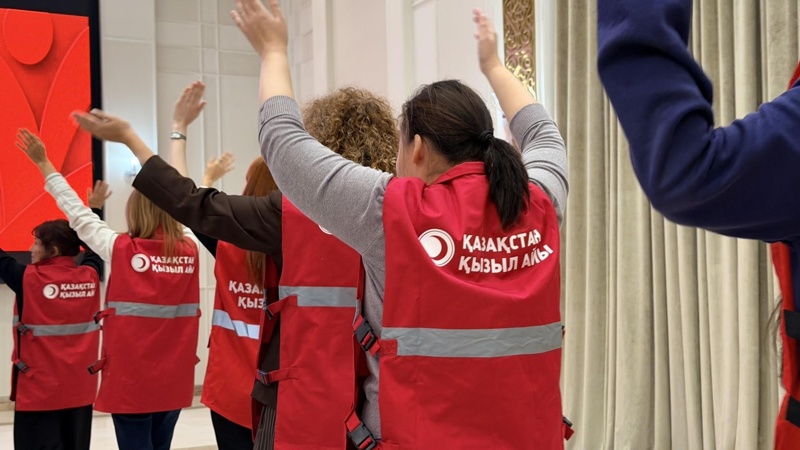
Action Forum 2026 has opened in Astana, bringing together representatives of Red Cross and Red Crescent National Societies to discuss the development of volunteering, emergency preparedness and regional cooperation. One of the key outcomes of the first day was the adoption of the Astana Declaration, Qazinform News Agency correspondent reports.

The forum opened with a musical performance by Aim Kogamova, who performed Céline Dion’s I’m Alive. It was followed by the National Anthem of the Republic of Kazakhstan.
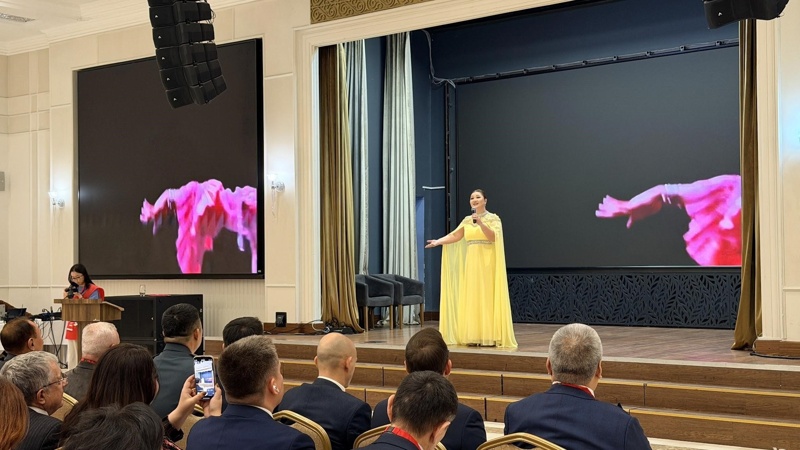
Participants also observed a minute of silence in memory of the cadets who died in the Mangystau regions.
The first day featured welcoming remarks, a high-level dialogue and stories from volunteers.
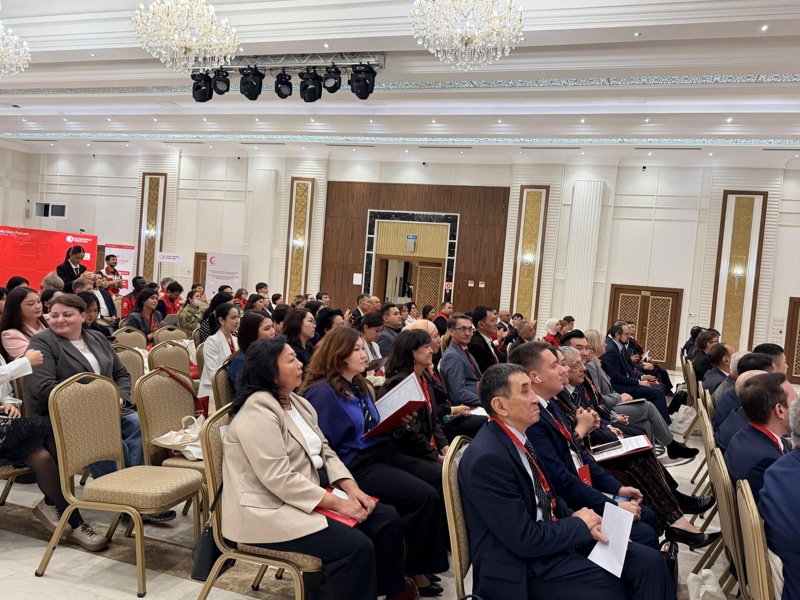
The main part of the program concluded with the adoption of the Astana Declaration by Red Cross and Red Crescent National Societies.
President of the Red Crescent Society of Kazakhstan Yerkebek Argymbayev said humanitarian challenges require joint action by governments, international organizations, National Societies and volunteers.
“Humanity is stronger than borders when it is driven by people who are ready to act together. Today, here in Kazakhstan, we are laying the foundation for cooperation that will make our entire region better prepared for crises. Our shared task is to turn this unity into the readiness to act together when help is needed most,” he said.
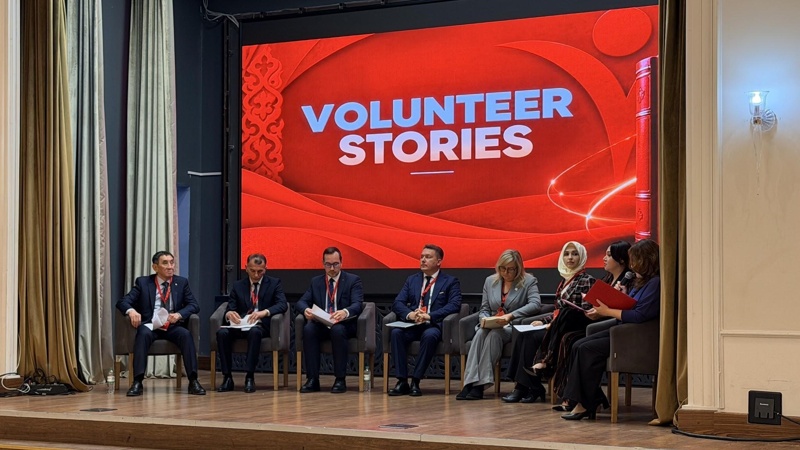
In an exclusive comment to a Qazinform News Agency correspondent, Argymbayev explained that the Astana Declaration reflects the shared position of the leaders of the region’s National Societies on the further development of volunteering.
“For us, the Astana Declaration is, first and foremost, an expression of the common position and commitment of the leaders of the region’s National Societies to further developing volunteering, strengthening preparedness, and ensuring the safety, protection and well-being of volunteers,” he noted.
According to him, developing volunteering requires investment in training, skills, motivation and safe working conditions.
“To work with volunteers, you need to find them, attract them, train them and retain them. And for all of this, they need both moral and material encouragement,” Argymbayev said.
He also highlighted the difference between the declaration and the future roadmap.
“To sum it up, the declaration is our shared vision and the commitment of the leadership, while the roadmap is a set of practical steps defined by specialists and volunteers themselves,” the head of the society explained.
Argymbayev also focused on legislative support for the volunteer movement. According to him, Kazakhstan is interested in the experience of countries where the activities of National Societies are regulated by dedicated legislation defining their humanitarian and auxiliary role.
The Red Crescent Society of Kazakhstan currently has around 7,000 volunteers. During the large-scale floods of 2024, the organization provided assistance to 32,000 people affected by the disaster, allocating around 1.5 billion tenge for these efforts, according to Argymbayev.
Director General of the Red Crescent Society of Kazakhstan Assel Tastanova, meanwhile, emphasized the importance of partnership between countries.
“Today, Kazakhstan has brought together volunteers from different countries around our shared value, humanity. Countries have borders, but humanity does not. I am confident that this Forum will strengthen our region’s preparedness for crises and lay the foundation for new partnerships that may one day help save a life,” she said.
Tastanova identified partnership, preparedness and action as the three key concepts of the forum.
Speaking to a Qazinform News Agency correspondent, she stressed that volunteers need not only professional training, but also social and psychological support.
“We need to come together and build a strong institutional platform, while also considering social and mental support for people who give their time, skills and professional expertise in their free time for the sake of humanity and to help others,” Tastanova said.
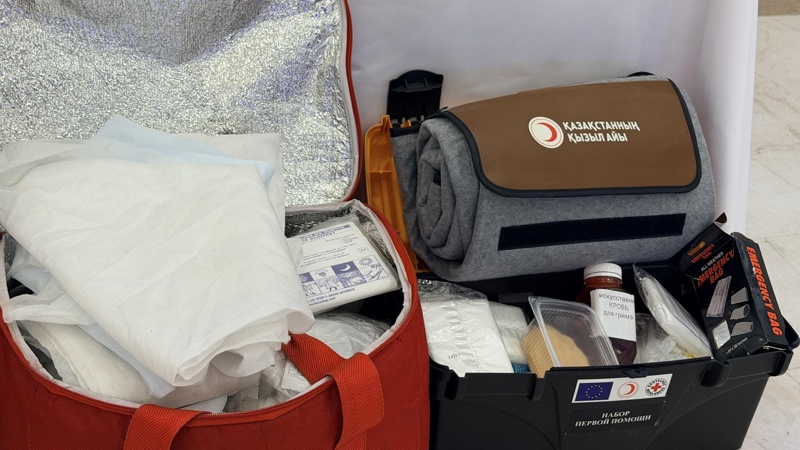
The Red Crescent Society of Kazakhstan currently operates 17 branches. People can become volunteers from the age of 14 with parental consent, while anyone aged 18 or older can join regardless of citizenship, religion or social status. Volunteers receive training, including first aid skills and emergency preparedness.
According to Tastanova, young people show particularly strong interest in volunteering. Together with universities, the Red Crescent Society of Kazakhstan is developing youth volunteer centers. Many students remain with the organization for one to five years, while one of the forum participants from Pavlodar has been volunteering for more than 20 years.
On October 8, Action Forum 2026 will continue with group work in three areas: volunteer preparedness, volunteers during emergency response, and humanitarian values, international humanitarian law and humanitarian diplomacy.
Participants will work on the 2027-2030 Roadmap, defining goals, activities, responsible parties, implementation timelines, indicators and expected results.
Earlier, Qazinform News Agency reported that 59 countries are implementing national campaigns as part of the International Year of Volunteers for Sustainable Development 2026. The initiative to declare 2026 the International Volunteer Year was proposed by President Kassym-Jomart Tokayev and later supported by the UN General Assembly.