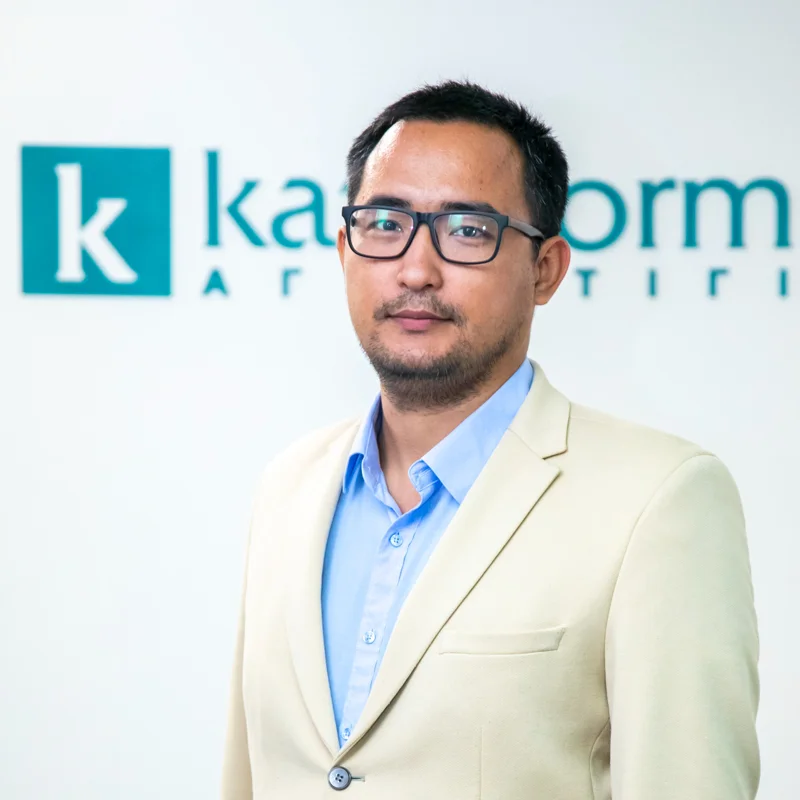
11 laws on children's rights passed in three years at President's initiative — Karin
Vice President of Kazakhstan Erlan Karin chaired a meeting on implementing presidential initiatives in the field of protecting children's rights and interests, Qazinform News Agency reports, citing the Akorda.

Vice President Erlan Karin was briefed by Dinara Zakiyeva, Commissioner for Children's Rights — Deputy Chairperson of the Qurultay; First Deputy Prosecutor General Zhandos Umiraliyev; Minister of Enlightenment Zhuldyz Suleimenova; Minister of Labor and Social Protection of the Population Askarbek Yertayev; and Minister of Healthcare Akmaral Alnazarova.
First on the agenda was the unified "Qazaqstan Balalary" (Kazakhstan's Children) Concept for 2026–2030, adopted at President Kassym-Jomart Tokayev's direction.
The Vice President stressed that creating broad opportunities for children's comprehensive development is a primary goal of the President's policy.
"At the Head of State's initiative, a set of measures is being implemented to protect children's rights, ensure their safety, improve the quality of education, safeguard their health, provide social support and raise the younger generation in the spirit of constitutional values," Erlan Karin said.
The Vice President recalled that under the presidential program "National Fund for Children", more than 7 million children have received over $2.5 billion in their accounts over three years. He also noted that the President's initiatives have led to the construction of 1,342 schools with more than 1 million student places over the past seven years.
Over the past three years, at the Head of State's initiative, 11 laws safeguarding children's rights and interests have been adopted. A key measure is the 2024 Law on Safeguarding Women's Rights and Children's Safety, which introduced preventive measures, toughened penalties for all forms of violence, and established liability for bullying.
These legislative measures have produced a decline in the number of criminal offenses against minors. Compared with 2024, especially grave crimes against children fell 45%, while sexual offenses dropped 10%. Crimes committed by minors also fell 10%.
At the regional level, the Commissioner for Children's Rights has opened offices, child protection departments have been set up, and guardianship authorities are expanding their staff. In addition, 160 Family Support Centers have opened in cities and districts across the country.
Since the state contact center "111" QR code was introduced in schools nationwide in 2024, child psychologists have handled more than 186,000 messages and 6,700 calls. Qualified assistance was provided in 9,000 cases involving children in difficult circumstances, and 73 suicides were prevented.
Discussions also covered inclusive policy. Deputies of the Qurultay are currently drafting a bill, at the Head of State's directive, to regulate comprehensive support for children with disabilities.
"It is critically important that legislative provisions are not declarative but provide concrete mechanisms to improve the system of support for children, protect their rights and legitimate interests, and determine clear interaction between authorized government bodies," Erlan Karin noted.
The Vice President also drew attention to the need to develop legislative provisions aimed at preventing and avoiding the stigmatization of persons with disabilities.
In conclusion, Erlan Karin stressed that safeguarding children's rights and interests will remain under close scrutiny as a top-priority area of domestic policy. In this regard, national meetings will review the progress in implementing the relevant presidential initiatives in a substantive, systematic, and regular manner — at least once every two months. In addition, the Vice President entrusted officials with organizing monthly regional monitoring of the implementation of the Head of State's tasks in protecting children's rights.
As reported earlier, President Kassym-Jomart Tokayev, together with King Philippe and Queen Mathilde of the Belgians, visited the National Center for Children’s Rehabilitation in Astana