Steppe dolls: How Kazakh girls played in the past
In the Kazakh steppe, dolls were among the most beloved toys of girls. Known as “quyrshaq” in Kazakh, these dolls were usually handmade by the children themselves and reflected everyday life in traditional nomadic society, Qazinform News Agency correspondent reports.

Most dolls were simple in form. Girls typically made them from stalks of sand reed or small twigs wrapped in cloth. The figures were often schematic and rarely had faces. Despite this simplicity, their clothing carefully imitated real traditional outfits worn by people in the steppe.
The dolls could represent different members of society. Some were dressed as children or young girls, while others depicted brides, married women, or men. Dolls representing girls often had braided hair made from horsehair. Their costumes ranged from plain everyday clothing to richly decorated festive attire.
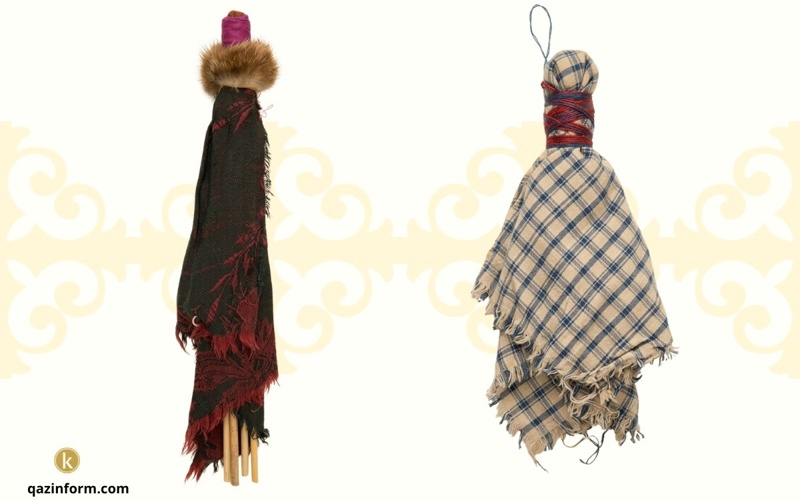
In many cases, the garments were detailed and elaborate. A doll portraying a bride or a newly married woman might wear a festive headdress decorated with colored glass pieces, buttons, metal plaques, and strips of fur. Dresses were sometimes trimmed with embroidery, contrasting fabric, or decorative braid.
Making clothing for dolls was more than just play. Sewing these miniature outfits helped girls practice skills that would later be important in adult life.
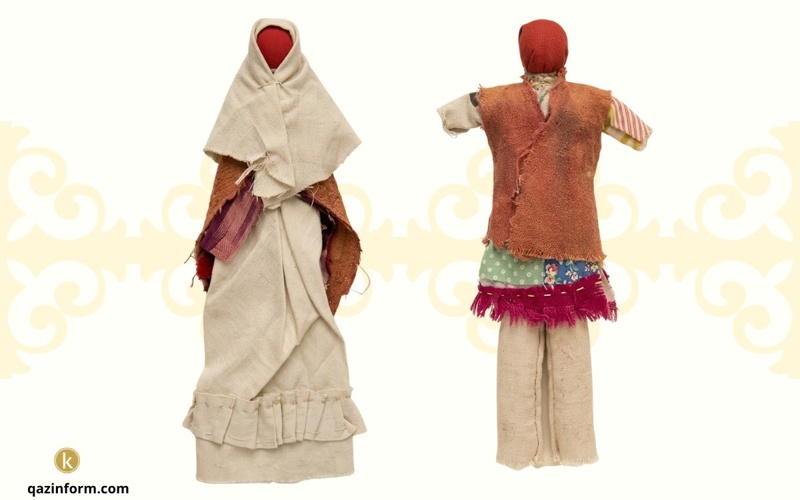
Children also created accompanying toy items for their dolls. These included small beds with bedding, miniature furniture, felt carpets, simple felt mats, and embroidered curtains. Like the dolls themselves, these toys were usually made from cloth and felt. Girls often crafted them on their own or with guidance from older sisters, mothers, or grandmothers.
Through such games, girls in the Kazakh steppe gradually learned domestic crafts and household traditions in an engaging and creative way.
Earlier, Qazinform News Agency reported on a unique collection of 19th-century photographs of Kazakh life.