Turgay Geoglyphs: How ancient structures mark the winter solstice
On December 21, the day of the winter solstice, the ancient geoglyphs of the Turgay Trough once again demonstrate their connection to solar cycles, Qazinform News Agency correspondent reports.
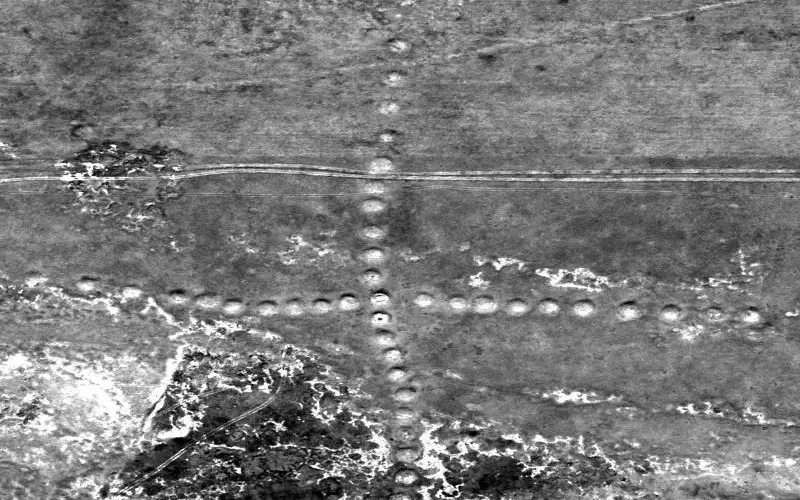
According to Kostanay-based researcher Dmitry Dey, during this period the Sun rises for several consecutive days at almost the same point on the horizon, aligning with markers embedded in the structure of the earthworks thousands of years ago.
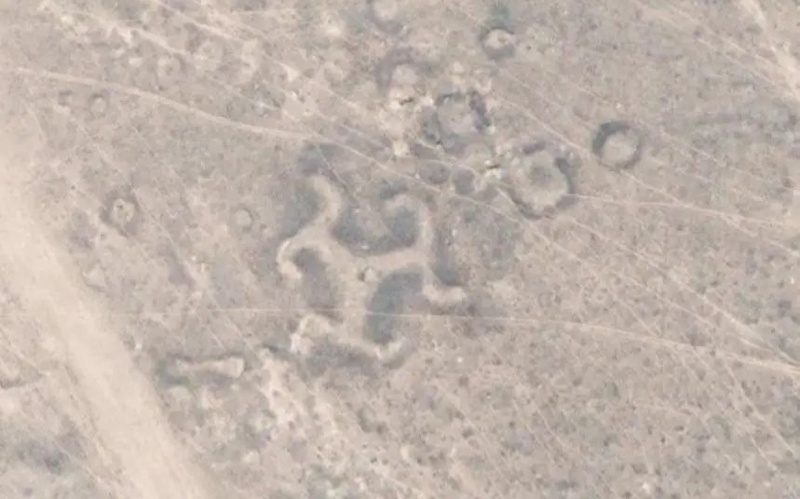
He notes that the winter solstice is an annual phenomenon.
“In the area of the Ushtogay geoglyphs, the Sun appears to linger above the outermost mound for about three days. This is neither an accident nor a rare coincidence. It happens every year,” the researcher said.
The phenomenon is linked to the tilt of the Earth’s axis. Over the course of the year, the points where the Sun rises shift along the horizon, from northeast to southeast. By late December, the Sun reaches its southernmost position, pauses there for several days, and then begins to move back. This moment is known as the winter solstice and marks the start of a new solar year.
“From December 25, daylight begins to increase and nights grow shorter. For ancient societies, this was a key point in the calendar,” Dmitry Dey explained.
Research shows that some of the Turgay geoglyphs are aligned strictly along the north south axis. This level of precision makes it possible to use them as solar calendars.
“If the orientation is accurate, the calendar works fully. Even minor deviations still allow sunrise and sunset positions to be recorded,” the researcher said.
At the same time, he noted that possible shifts in the geographic position of the poles in the distant past could have affected the accuracy of such alignments.
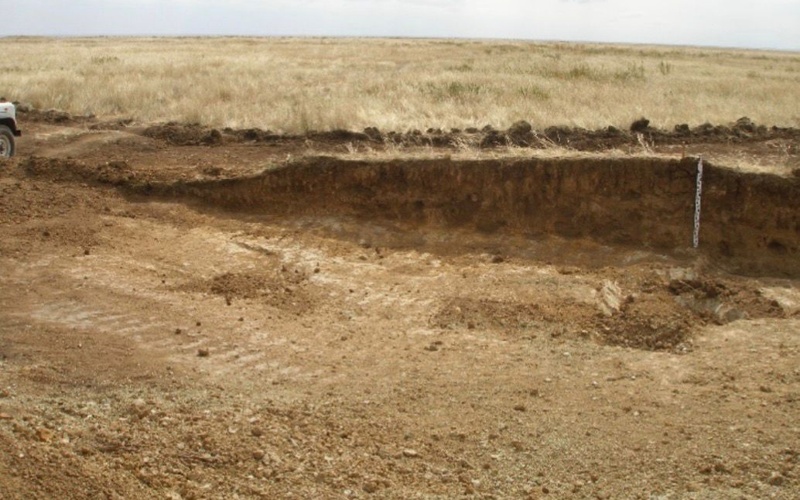
The Turgay geoglyphs were discovered in 2007 during the analysis of satellite imagery on Google Earth. Initially, the structures were thought to be burial mounds or funerary complexes, but archaeological excavations later showed that they are sophisticated earthworks not associated with burials.
Since 2008, research has been conducted under the Turgay Discovery project. Over the past 18 years, the sites have gained international recognition, with coverage by The New York Times, Business Insider, and Smithsonian magazine, and documentary films produced by broadcasters in the USA, Japan, Canada, and the United Kingdom.
Between 2023 and December 2025, 11 expeditions were carried out. Researchers examined 8 geoglyphs and surrounding areas, uncovering 11 ancient settlements and more than 5,000 artifacts. Most of the finds date back to the Neolithic period, including pottery from the Mahandzhar culture.
A breakthrough came in 2025, when fragments of Neolithic pottery were found directly on the embankments of one of the geoglyphs, prompting a reassessment of their age.
“If OSL analysis confirms a date of around 8,000 years, the Turgay geoglyphs would rank among the oldest such structures in the world, predating the Nazca Lines,” Dmitry Dey stressed.
According to the researcher, the geoglyphs’ alignment with solar cycles, including the winter solstice on December 21, points to their sacred and calendrical significance for the ancient inhabitants of the steppe. Beyond its scientific value, the discovery also holds strong potential for the development of educational and research tourism in Kazakhstan.
Earlier, Qazinform News Agency reported that the winter solstice marks the shortest day on December 21.