The brain-boosting breakfast: Beetroot emerges as a powerful coffee alternative
Scientists report that eating beetroot for breakfast may be more energizing than coffee while also offering long-term protection for the brain, a Qazinform News Agency correspondent reports.

According to new findings, the vegetable’s high levels of nitrates, betalains, and polyphenols improve circulation, support vascular function, and reduce inflammation. Researchers note that regular morning consumption “enhances blood flow to the brain, slows cognitive decline, and reduces the risk of neurodegenerative diseases.”
The discovery comes as Alzheimer’s disease remains the most common form of dementia, with existing treatments offering only limited benefit. Medical specialists confirm that current drugs “provide modest symptomatic relief” but do not stop disease progression. Newly approved monoclonal antibodies show only “modest cognitive effects” and are associated with high costs and frequent adverse reactions, prompting growing interest in affordable, safe dietary strategies.
Beetroot is now emerging as a promising candidate. Studies show that nitrate-rich beetroot increases nitric oxide production, improving vascular responsiveness and cerebral perfusion. A Wake Forest University study found that a high-nitrate diet supplemented with beetroot juice “significantly increased regional cerebral blood flow” in areas responsible for decision-making and memory. These regions are among the earliest sites of decline in Alzheimer’s.
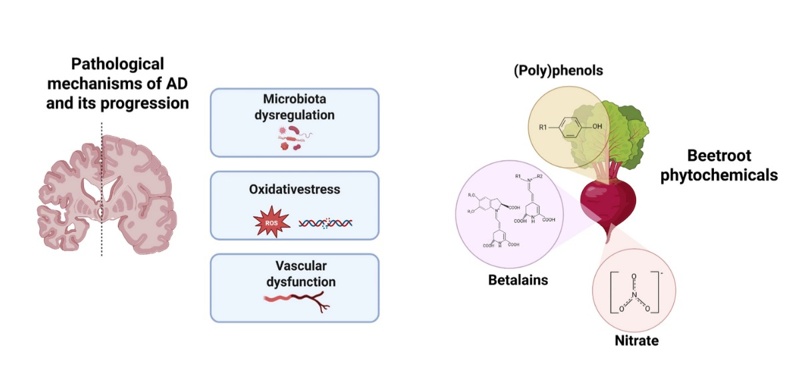
Laboratory research also highlights beetroot’s antioxidant and anti-inflammatory properties. Betalains and polyphenols help protect neurons, support mitochondrial function, and reduce oxidative stress, which scientists identify as a key driver of Alzheimer’s pathology. Evidence further suggests that beetroot influences the oral and gut microbiome, enriching beneficial bacteria and stimulating short-chain fatty acid production linked to healthier brain function.
Although the findings are encouraging, experts caution that research involving Alzheimer’s patients remains limited. To date, only one small study has tested beetroot in people living with the condition, showing improved vascular responsiveness but no direct cognitive outcomes. Researchers note that larger, long-term trials combining biomarkers, neuroimaging, and cognitive testing are needed.
Even so, scientists agree that beetroot offers a safe and accessible approach with growing potential. As stated in recent analyses, its combined vascular, antioxidant, and microbiome effects make it “a promising yet underexplored dietary component for supporting brain health.”
Earlier, Qazinform News Agency reported that an Alzheimer’s drug considered too costly for the National Health Service can slow the progression of dementia by up to eight years, according to researchers.