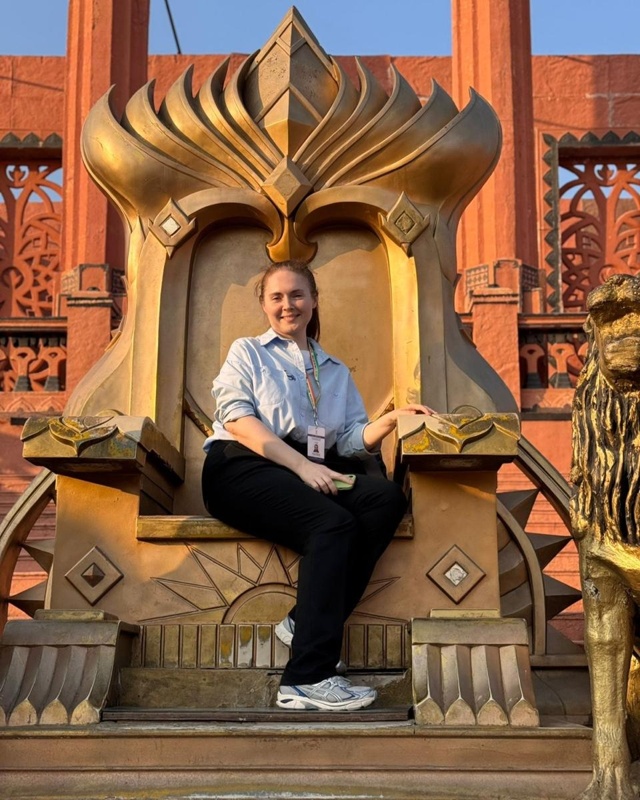
Moments of India: The land where history blends with space and tech ambitions
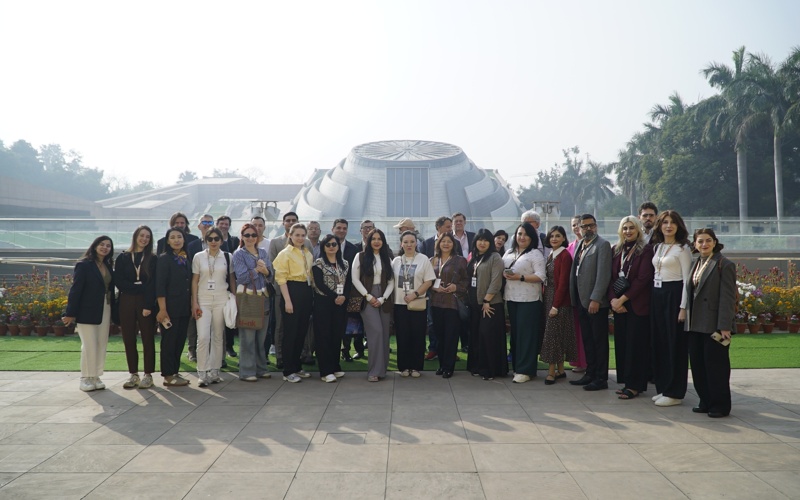
Embarking on a two-week press tour to India kindly organized by the Indian Ministry of External Affairs together with my colleagues and peers from Central Asia and South Caucasus, little did I know that this country is an entire universe, a true sensory fireworks show, offering an enchanting, eye-opening experience that will change my world, Qazinform News Agency Managing Editor Tatyana Kudrenok reports.

India’s warm welcome: A symphony of heat, horns and hospitality
Stepping out of the Indira Gandhi International Airport in the middle of December, I felt the stark contrast after travelling all the way from chilly Astana to sunlit, cloudless New Delhi. It was like opening a hot oven door, an intense, embracing heat that felt invigorating after cold winter back in Kazakhstan.
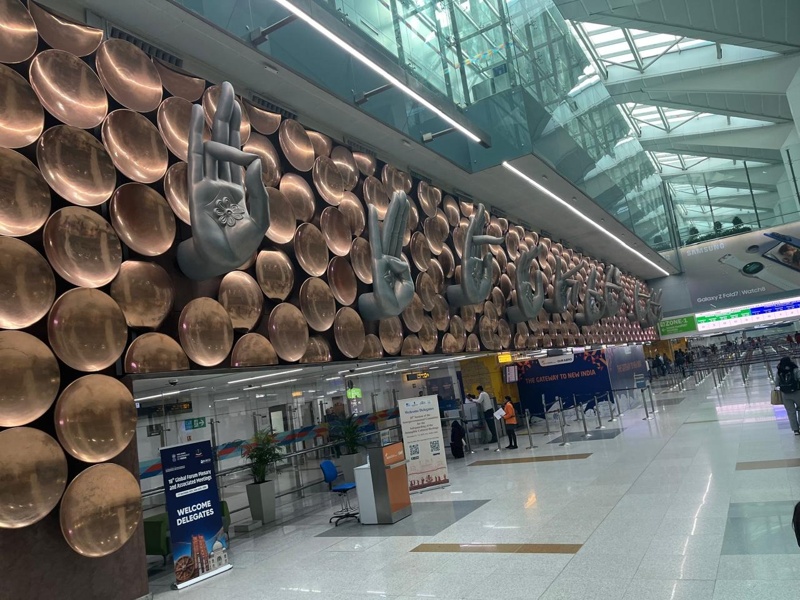
Next shock that followed was the symphony of the streets and the traffic tango. Nothing could have prepared me for the dynamic chaos of Indian traffic. The roads of New Delhi and Hyderabad are a world unto themselves, a fascinating ballet of movement, color, and constant noise.
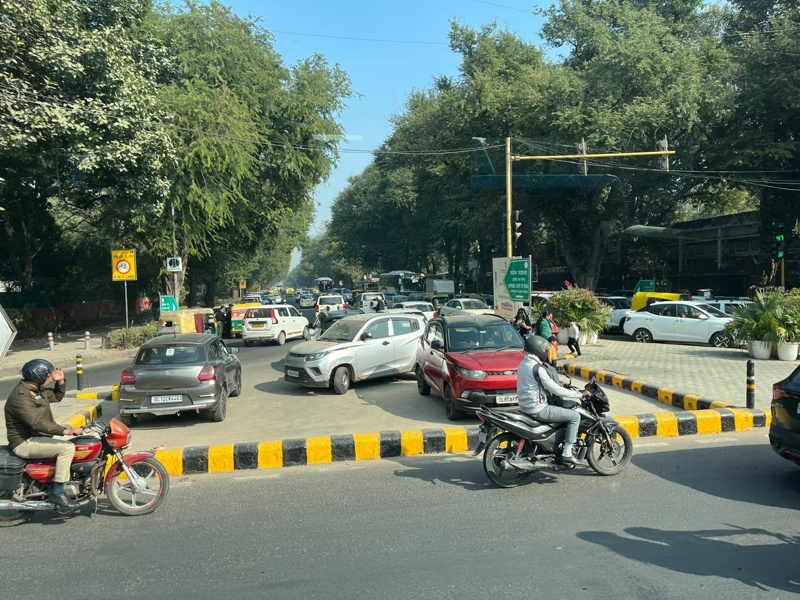
At first, it almost felt like it was a persistent chorus of honking. But later I realized that it was not a sound of anger as it might be at home, but a language – a constant “I’m here, watch out!” shared between a multitude of vehicles: cars, buses, auto-rickshaws, called tuk-tuks, and entire families on two-wheelers. Mind you, in India lanes are more of a suggestion than a rule, and the flow of traffic seems an impossibility from the outside, yet somehow it all works.
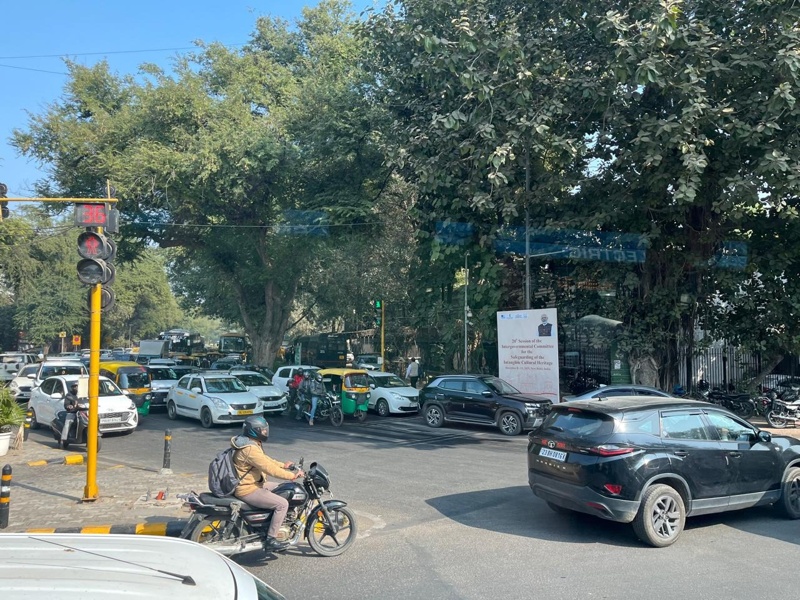
I could spend hours simply watching this captivating anarchy. In Hyderabad, the traffic seemed slightly less severe than in New Delhi, but the energy was the same: a vibrant, buzzing hum of life that makes you realize you are in a place unlike any other.
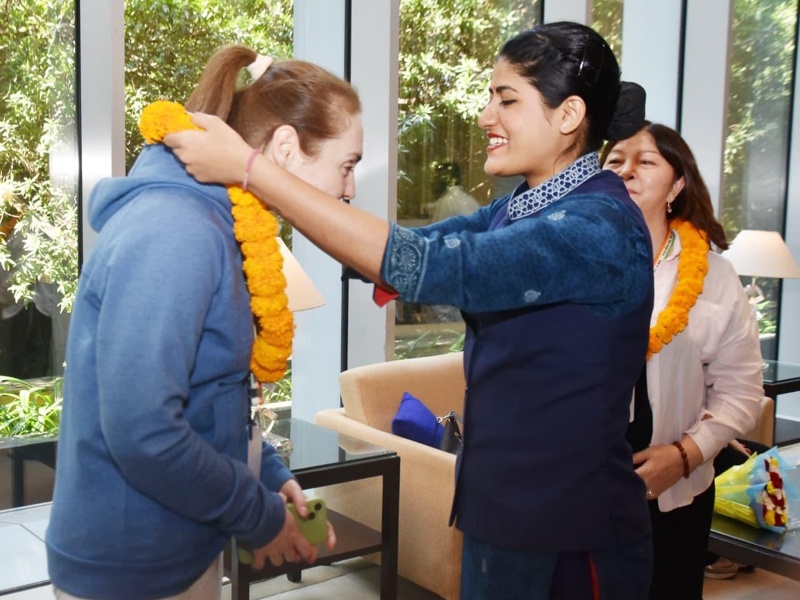
Upon landing for our press tour, we were also stunned by Indian hospitality – in fact – it surpassed our highest expectations. Yes, we were prepared for ‘friendly service’ and, yes, we expected ‘a scripted performance’ for the media, but instead we got meaningful, tailored experiences with personalized touch, including putting our names on pillows at a local hotel.

A dream in marble and beyond: Feeling India’s history at your fingertips
Moving onto the program of our press tour, it was not just a survey of monuments, as one might suggest, but an immersive study of the great Indian paradox, the seamless blend of 5,000 years of tradition and advanced technologies.
Stepping onto the red sandstone of Raisina Hill on the first day of the press tour, my colleagues and I were immediately struck by the scale of Rashtrapati Bhawan and its massive copper dome, which anchors one of the largest presidential residences in the world and where India’s first Prime Minister took his oath of office in 1947.
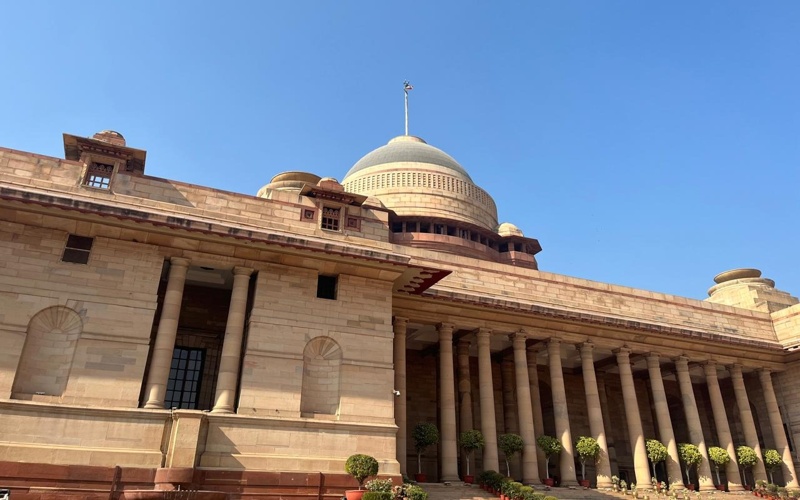
Historically, this 330-acre estate was designed by British architect Sir Edwin Lutyens to become a fortress of colonial authority in 1929. However, after India gained independence in late 1940s its meaning shifted dramatically to house the President of a newly sovereign state.
Nowadays, Bhavan is the primary workplace of President Droupadi Murmu, where high-level meetings between the President, Prime Minister of other leaders determine the nation’s political landscape. It also serves as the site for the presentation of national honors, the swearing-in of cabinet of ministers, hosting of foreign heads of state, etc.

Another iconic landmark of India - an archway of red sandstone - the India Gate, or the All-India War Memorial, was also designed by Sir Edwin Lutyens. Standing 42 meters tall in the heart of New Delhi, it evokes a solemn sense of history, a colossal, yet silent, sentinel of sacrifice.
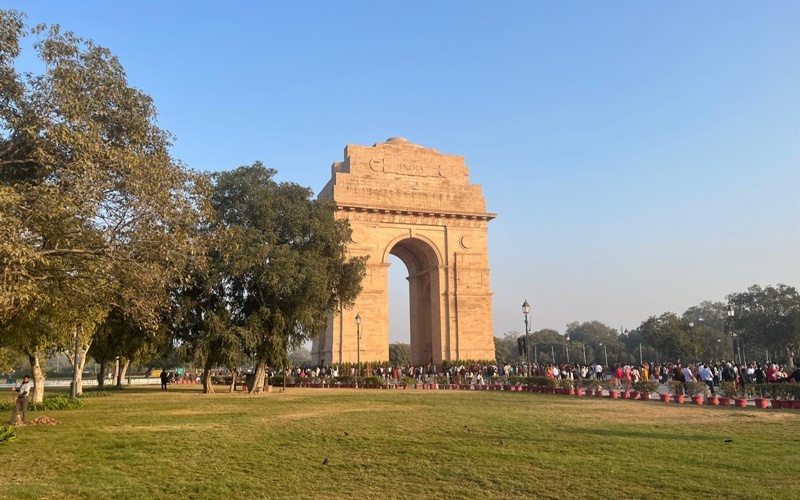
The monument was completed in 1931 and styled after Roman triumphal arches to honor over 70,000 soldiers of the British Indian Army who perished in World War I and the third Anglo-Afghan War. The red Bharatpur stone is inscribed with thousands of names of the fallen. The inscription above the arch details the various battlefronts where these soldiers sacrificed their lives.
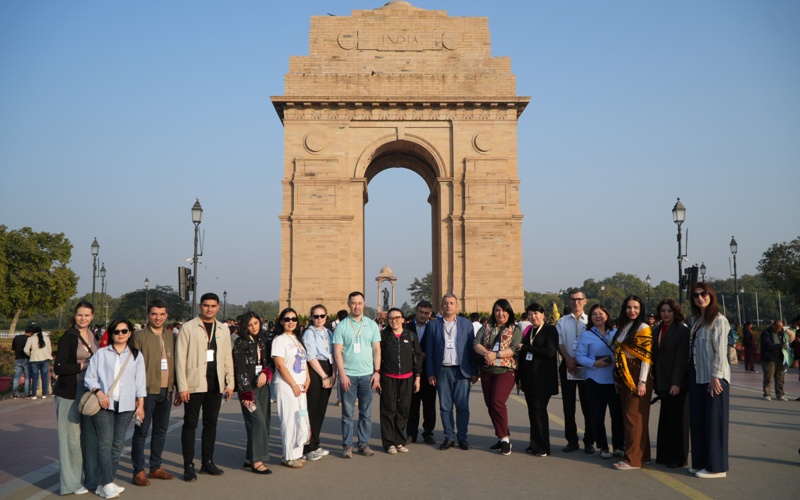
Experiencing India Gate as a first-timer was deeply moving. Standing there, amidst the bustling crowd, I felt a connection to the sacrifice embedded in the structure, sensing the resilient spirit of the nation.
Our press tour made another stop in New Delhi at the Prime Minister’s Museum, a fascinating immersion into India’s post-independence history. The museum is a shining example of how modern technology can breathe life into historical narratives.
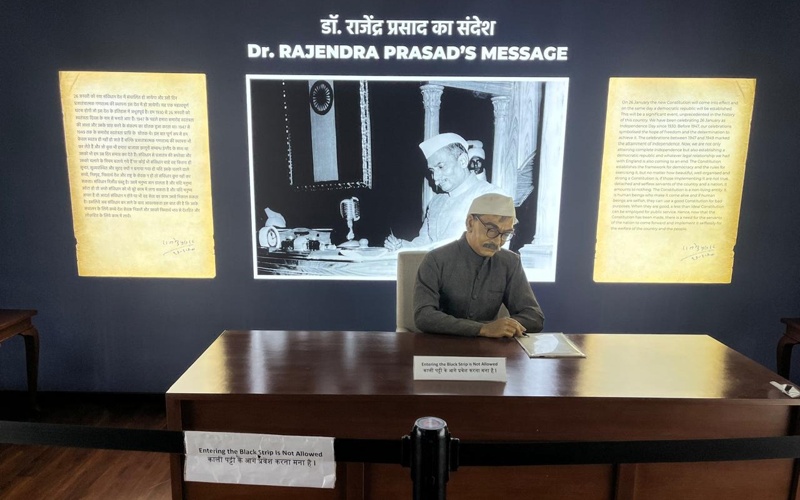
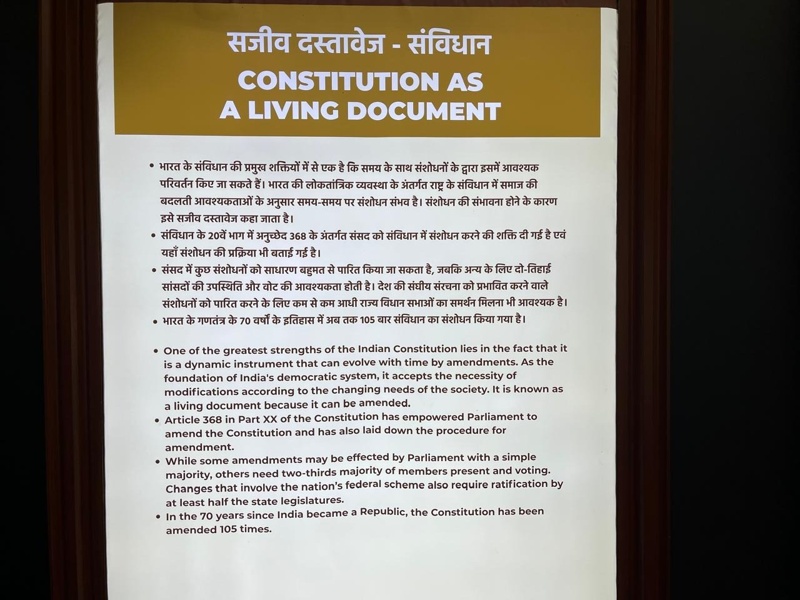
This place immediately pulls you in, you literally become a participant rather than a passive observer. The virtual reality (VR), augmented reality (AR), and multi-touch screens create an environment for learning about the lives and contributions of all India’s Prime Ministers. The entire experience felt like a journey through time, charting the nation’s progress and the challenges faced by its leaders since 1947.
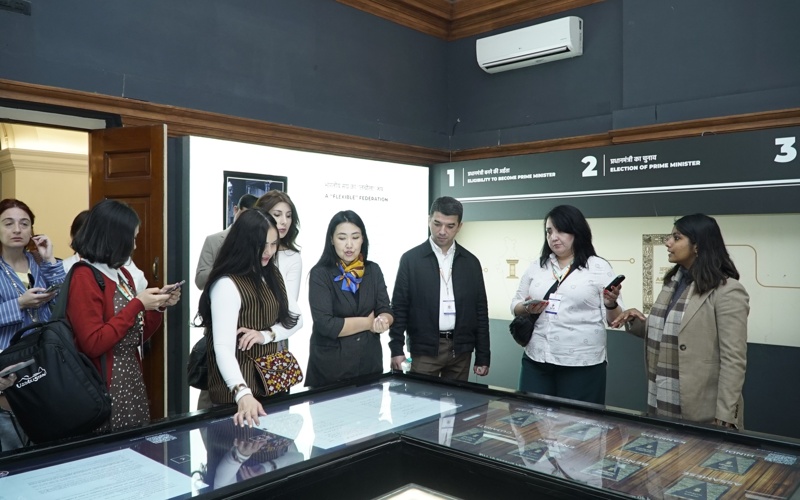
The interactive nature of the museum is undoubtedly its standout feature, designed to inspire awe and entertain. Two experiences left a particularly lasting impression. Using augmented reality, my colleagues were able to select their favorite Indian Prime Minister and pose with a virtual rendition of them. The system promptly emailed the photo to them as a unique souvenir, a very modern and memorable touch. Another incredible feature used a handwriting robot to create a personalized letter with an inspiring quote and the ‘signature’ of a chosen Prime Minister, a personalized memento to take home.
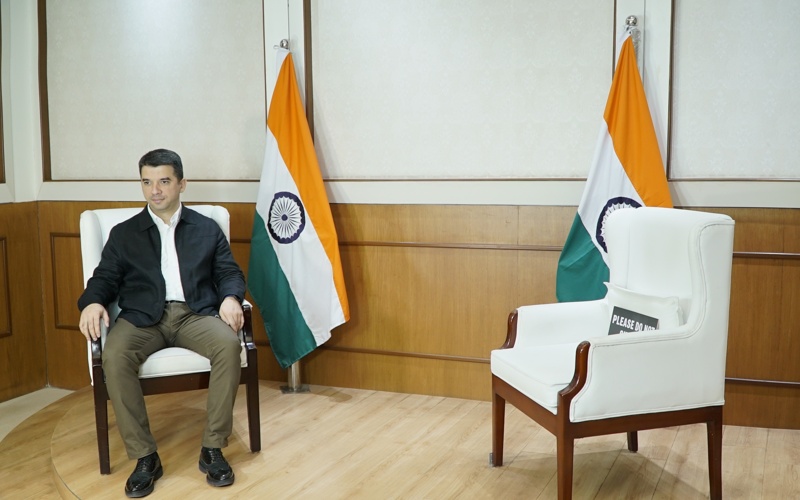
While technology takes center stage, the museum also houses authentic artifacts that lend an air of gravitas and authenticity to the exhibits. The Toshakhana gallery displays a wide array of rare gifts and souvenirs receives by various Prime Ministers from around the world, many of which had never been publicly displayed before.
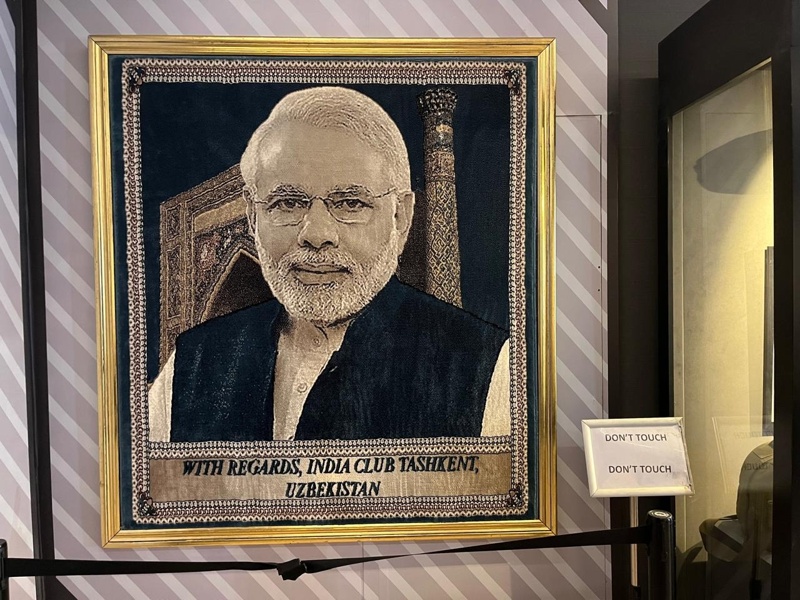
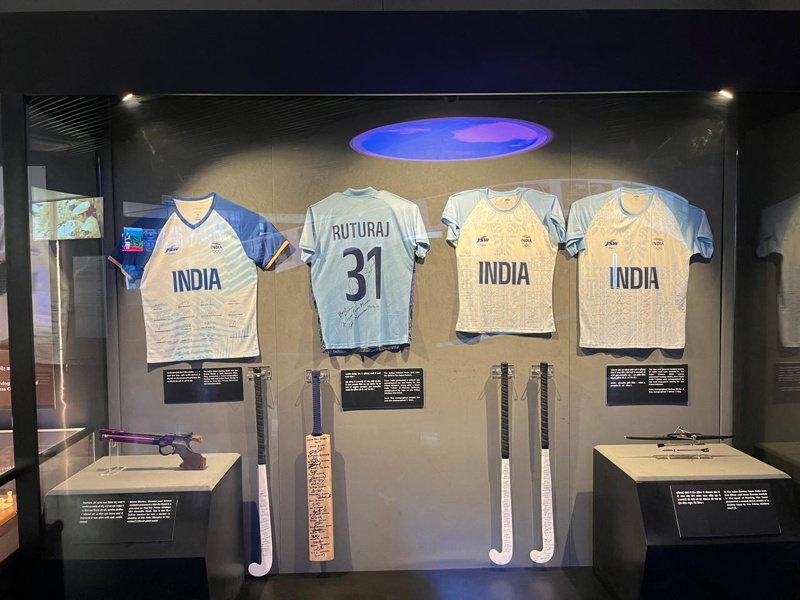
The museum is a curated space that successfully bridges the gap between history and the digital age. It is a must-visit for anyone interested in understanding the journey of the world’s largest democracy through the eyes of its leaders.
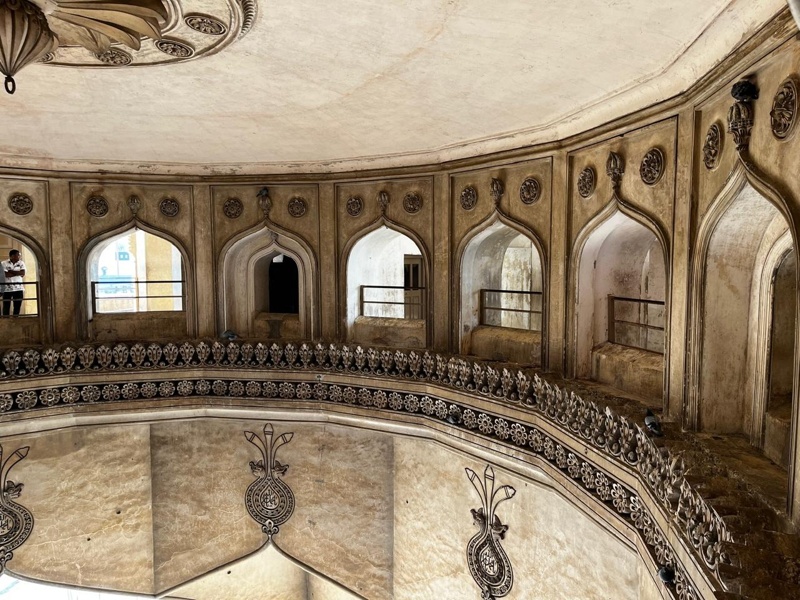
In Hyderabad, we were able to visit Charminar and Salar Jung Museum and the first historical monument lives up to its name, which translates to “Four Minarets”. It soars to a height of nearly 49 meters, crowned with dome-shaped roof and adorned with intricate floral decorations. The monument sits at the center of a major intersection, a bustling hub of constant noise and life as well as aromas of local street food, like Hyderabadi biryani.
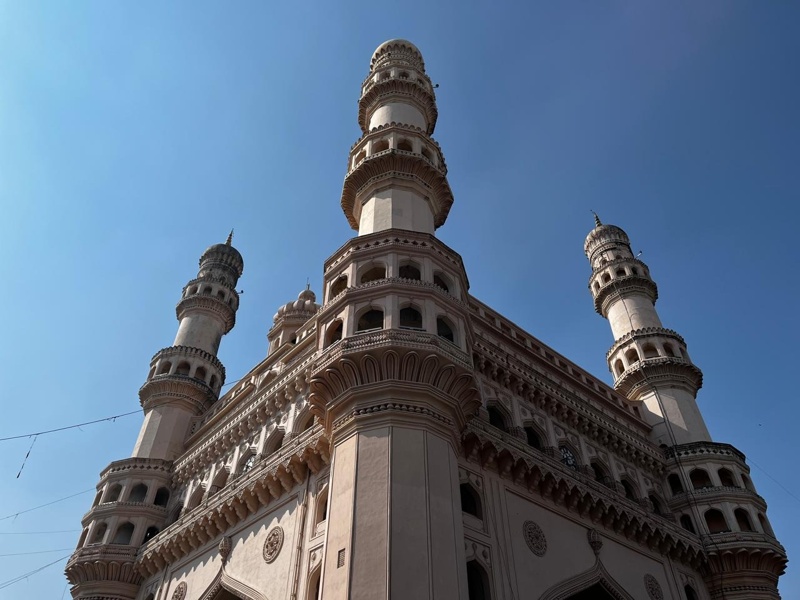
Charminar was built in 1591 by Sultan Muhammad Quli Qutb Shah as a way to celebrate the eradication of a deadly plague that ravaged the city. Nowadays, it is a symbol of Hyderabad, incorporated into the official emblem of the state of Telangana. We saw dozens of international tourists there, who flock not only to see the architecture of the monument, but also to explore the adjacent bazaar, famous for its vibrant pearls and traditional jewelry.

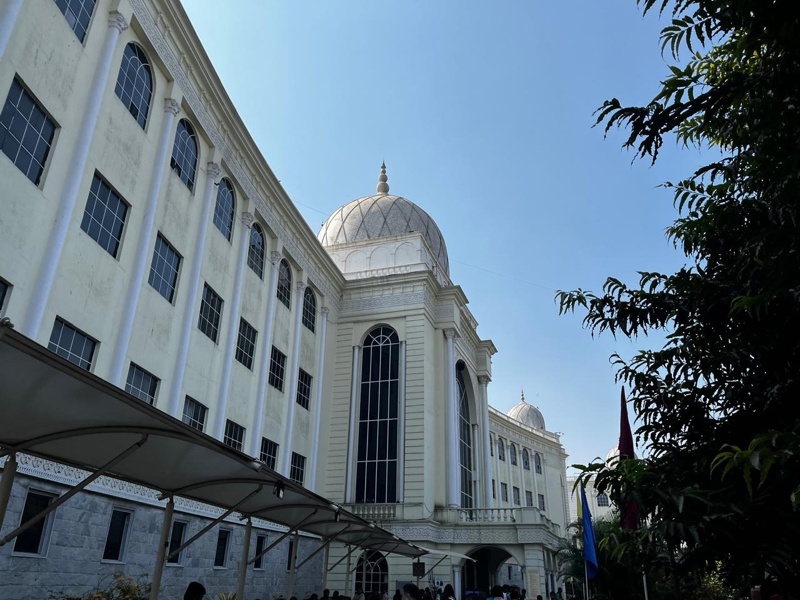
Our next destination - the Salar Jung Museum - felt like a journey through time under one roof. With dozens of galleries spread across two floors, it exhibits 43,000 art objects as well as books and manuscripts. This extraordinary collection was amassed from India, Europe, the Middle East by Nawab Mir Yousuf Ali Khan, Salar Jung III, who served as the Prime Minister of Hyderabad, and later donated to the nation.
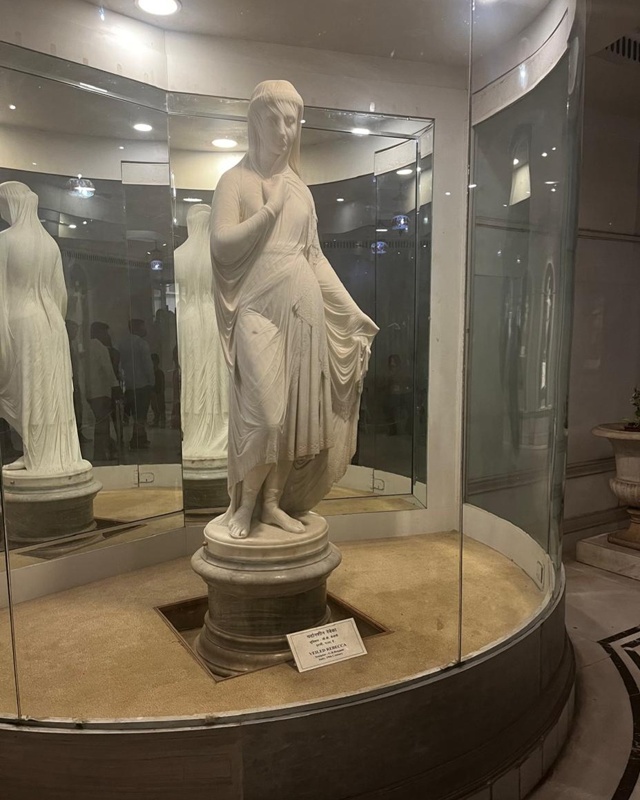
Roaming the galleries, some masterpieces stood out the most to me, including the Veiled Rebecca. This 19th-century marble sculpture by Italian artist Giovanni Maria Benzoni depicts the biblical figure Rebeca with a veil draped over her face. The sculpture creates this astonishing illusion: the marble is carved with such intricate skill that the veil appears transparent.
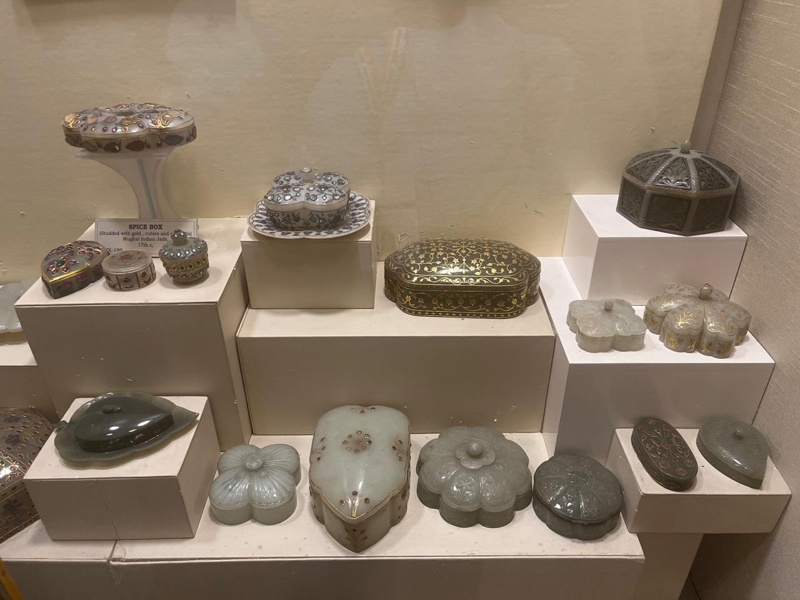
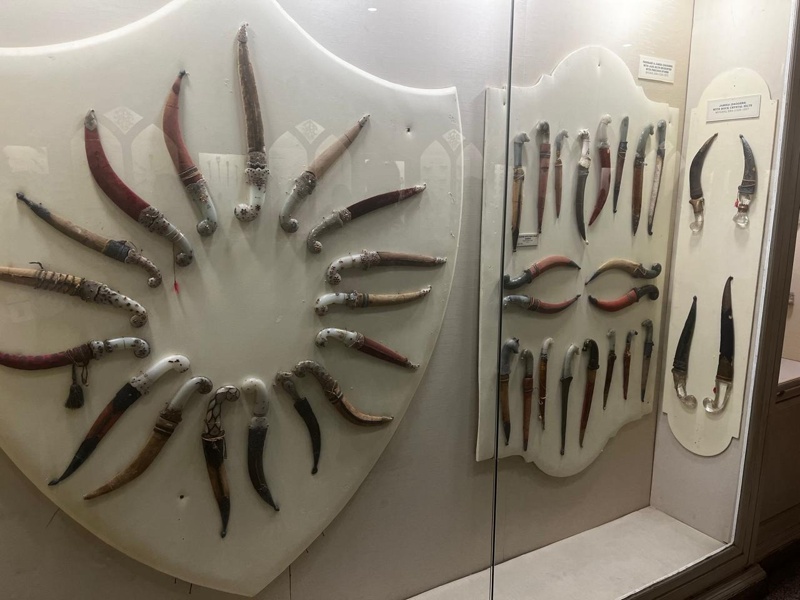
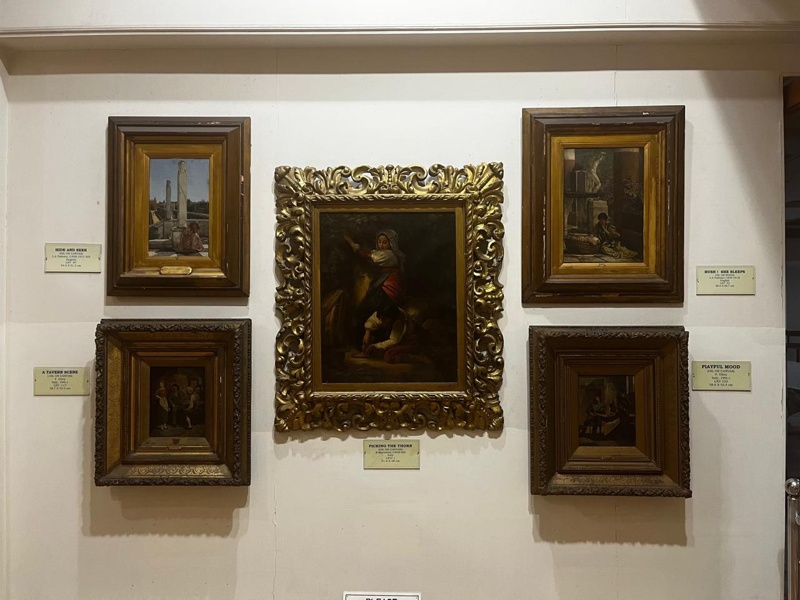
Another masterpiece – the 19th-century British made Musical Bracket Clock – was a crowd favorite. Manufactured in England and assembled in Calcutta, it was acquired by Salar Jung III in early 20th century. Every hour visitors gather to watch a miniature mechanical figure emerge from an upper deck to strike a gong the correct number of times. The clock continues to work perfectly up to this day. The museum also houses historical weapons like daggers, paintings, rare manuscripts, jade carvings, textiles and more.
Stepping onto the grounds of Taj Mahal in Agra after a 4-hour drive, we were immediately struck by its structure that seemed like a mirage, floating above the horizon, brilliant white under the midday sun.
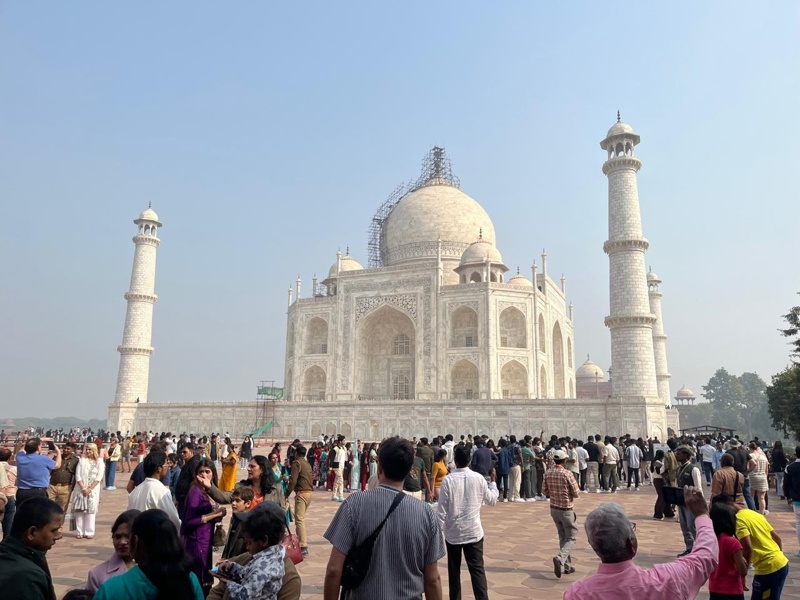
The mausoleum made of Makrana marble was commissioned in 1631 and build to immortalize the beloved wife of Mughal Emperor Shah Jahan who died giving birth to their 14th child. Thousands of artisans spent over two decades to create this “dream in marble” completing the complex in 1653.
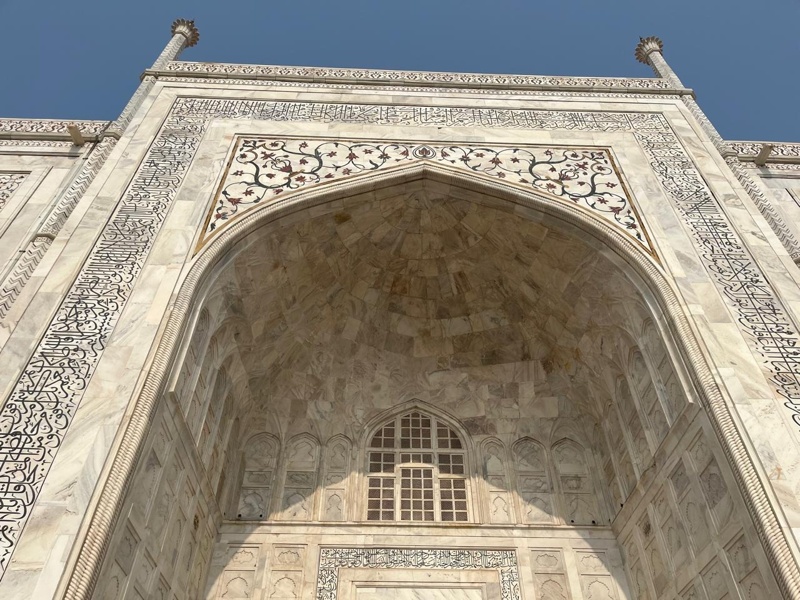
While there, I ran my fingers over the smooth surface of the walls where semi-precious stones like jade and turquoise are inlaid so precisely into the marble that you cannot feel the seams. Lower walls feature delicate carvings of flowers that seem to bloom directly from the stone.

In 1983, the Taj Mahal was featured as a UNESCO World Heritage Site, as one of the globally admired masterpieces. All of my colleagues admitted that the Taj Mahal is the beating heart of India’s tourism economy, as it remains the country’s most visited ticketed monument, drawing millions of tourists every year.
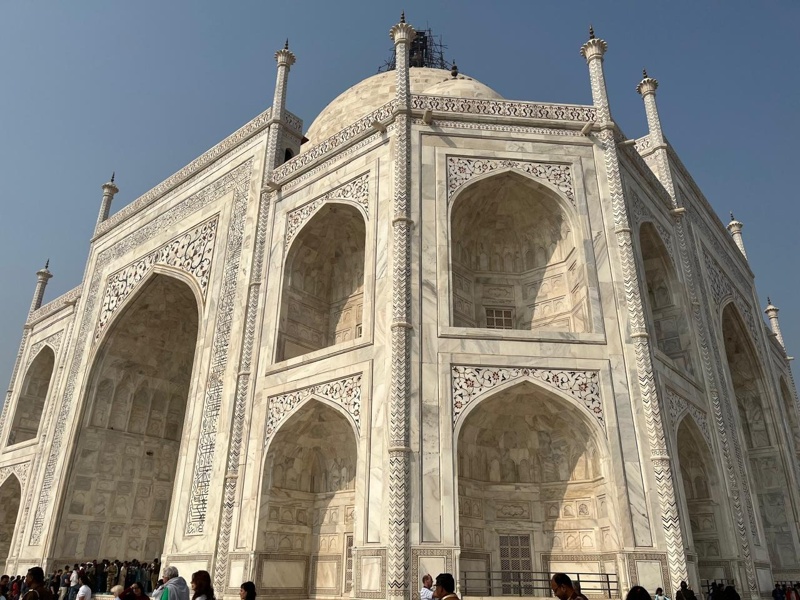
It is really hard to describe the feelings this place evokes - no photograph can replicate the state of awestruck wonder. You don’t visit the Taj Mahal to see a building; you visit it to witness the symbol of eternal love. Walking around those historical landmarks and buildings, you can almost feel India’s history at your fingertips.
The great Indian paradox: Where centuries-old traditions meet high-tech future
Throughout our trip, we’ve quickly realized that India stands as a unique power where ancient legacies provide the cultural and intellectual blueprint for modern ambitions. Modern IT and space achievements can be viewed as a natural evolution of a 5,000-year-old heritage.
The synergy between India’s past and its future is perhaps best symbolized by its startup ecosystem based in Hyderabad. T-Hub is India’s premier innovation intermediary and currently one of the world’s largest startup incubation centers.
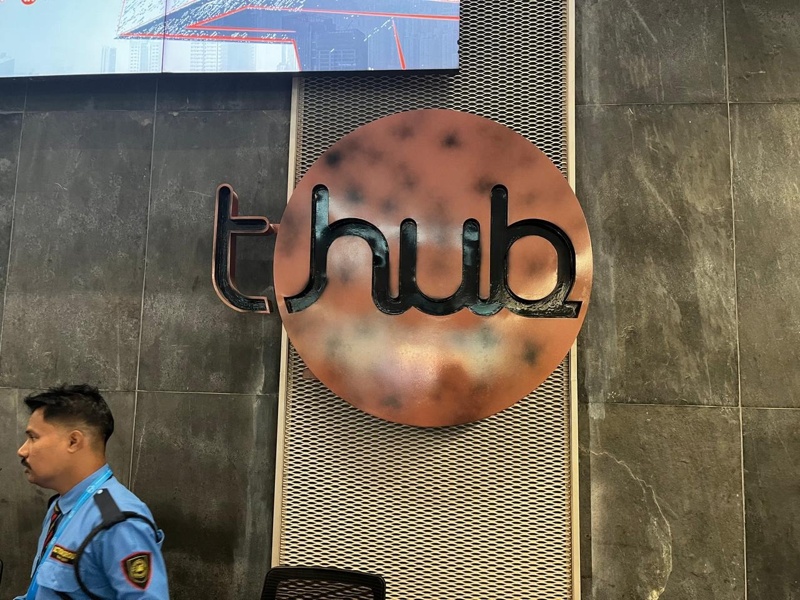
During our visit to T-Hub, we were told that it operates as a public-private partnership between the Government of Telangana, IIIT-H, ISB, and NALSAR, and private sector leaders.
Since its inception in 2015, T-Hub has mentored, incubated, or accelerated 2,300+ national and international startups. Startups associated with T-Hub have raised over $2 billion in funding and created thousands of jobs.
On top of that, T-Hub startups span across more than 10 sectors, namely DeepTech, HealthcareTech, Sustainability, Mobility and EV, AgriTech, as well as Defense and Aerospace.
My colleagues and I were lucky enough to visit one of the most successful startups that has been incubated in T-Hub, Skyroot Aerospace, in Hyderabad.
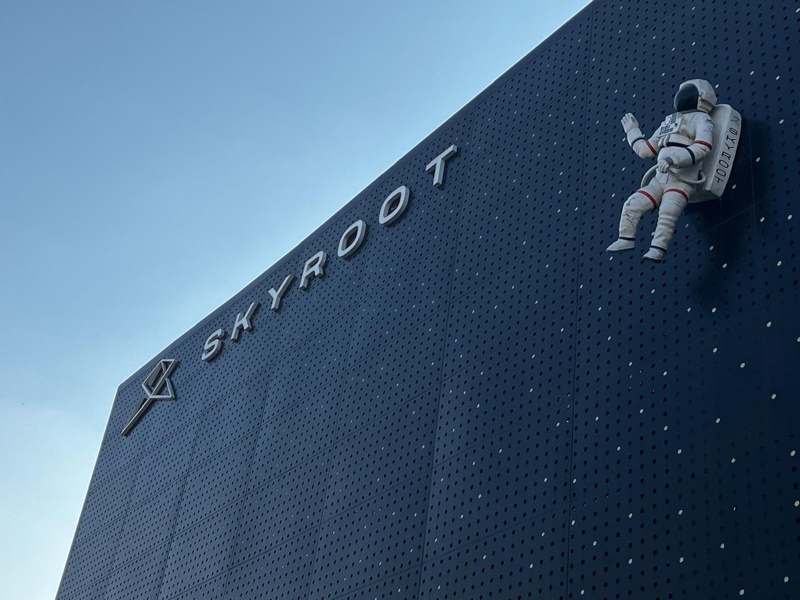
Sumil Sudhakaran, Skyroot Aerospace Vice President for Brand and Communications, told us that the company, started by ISRO engineers Pawan Kumar Chandana and Naga Bharat Daka, actually grew to become a major player in private space technology, expanding from its T-Hub origins to establish large facility like Max-Q headquarters.
T-Hub supported Skyroot as a startup, helping them develop India’s first private rocket Vikram-S in 2022. Three year later, in November 2025, Prime Minister Narendra Modi inaugurated Skyroot’s Infinity Campus in Hyderabad, which is now India’s largest private rocket manufacturing and testing facility.
I must admit that the future looks quite bright for Skyroot Aerospace as the company, according to Sudhakaran, is gearing up for its maiden orbital launch Vikram-1 in early 2026. This approx. 20-26m rocket has an all-carbon composite body and is designed for the commercial small-satellite segment.
During our 9-day visit, we’ve also learnt that space and IT sector are viewed as a technological engine designed to transform the country into a developed economy as part of the India’s 2047 Vision, known as Viksit Bharat 2047 (Developed India).
Randhir Jaiswal, Official Spokesperson of the Indian Ministry of External Affairs, who kindly hosted a dinner for us, mentioned this ambitious plan to make India a fully developed nation by its 100th year of independence in his opening remarks at the event, echoing his colleagues at the India’s Ministry of Electronics and Information Technology as well as the Indian Computer Emergency Response Team (Cert-In). The India’s 2047 Vision, according to them, is focusing on economic strength, technological advancement, self-reliance, and inclusive growth.

In his remarks, Spokesperson Randhir Jaiswal also revealed that next year is going to be very exciting for India as the country stands ready to host a flagship global gathering, the India AI Impact Summit 2026, as well as several other global events. Those include the upcoming BRICS summit as well as the Commonwealth Games in Ahmedabad in 2030.
On top of that, India, in his words, has decided to bid to host the 2036 Olympics. Undoubtedly, these events will solidify India’s status as a major sporting and AI power.
Overall, the press tour has proved that India treats the past not as a relic, but as a roadmap for responsible progress. It’s not about technology replacing history or tradition, it is about a nation that uses the latest digital tools to amplify its oldest values, creating a unique 21st-century identity where the smartphone is as essential as the sari.
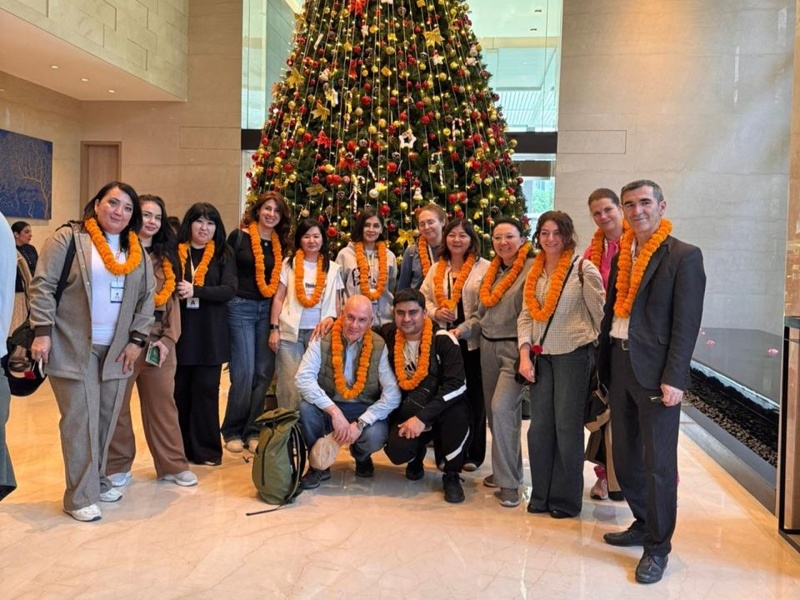
In all honesty, India has defied my expectations. To me, it’s a country of stunning contrasts that must be seen and felt firsthand to be understood. My two weeks there have left an indelible mark, as I often found myself feeling humbled by the greatness of historical landmarks and floored by the country’s IT and space achievements and ambitions.
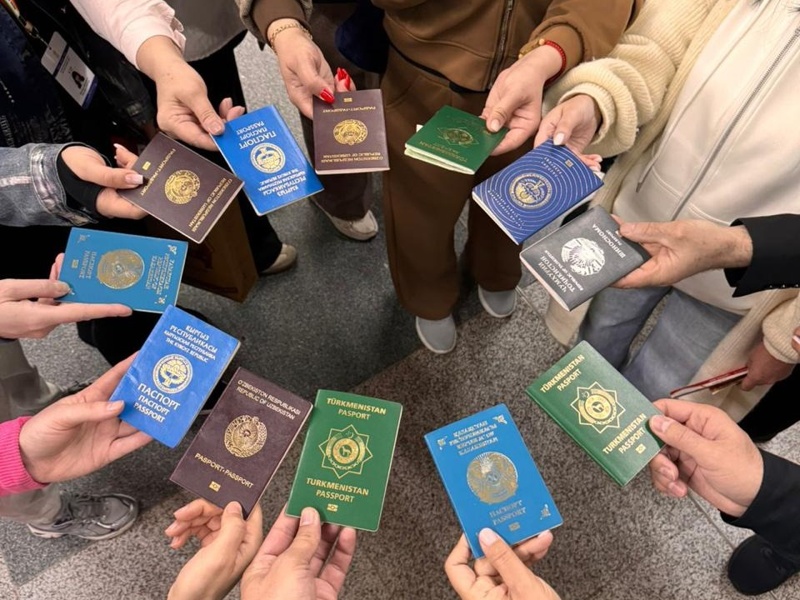
Also, I’m immensely grateful for the people I met during this trip, my colleagues from Central Asia, South Caucasus, our wonderful hosts Ravindra Pokhariyal and Ujjwal Giri, and my new friend Sanchi Pahuja who I met on a flight to Hyderabad, because India is not only about the places you go, but the people you meet along the way.