

Many mental disorders share key genes - new study
A major international study has uncovered extensive genetic links among 14 psychiatric conditions, suggesting that many mental health disorders share common biological roots rather than being entirely distinct, Qazinform News Agency correspondent reports, citing Nature.
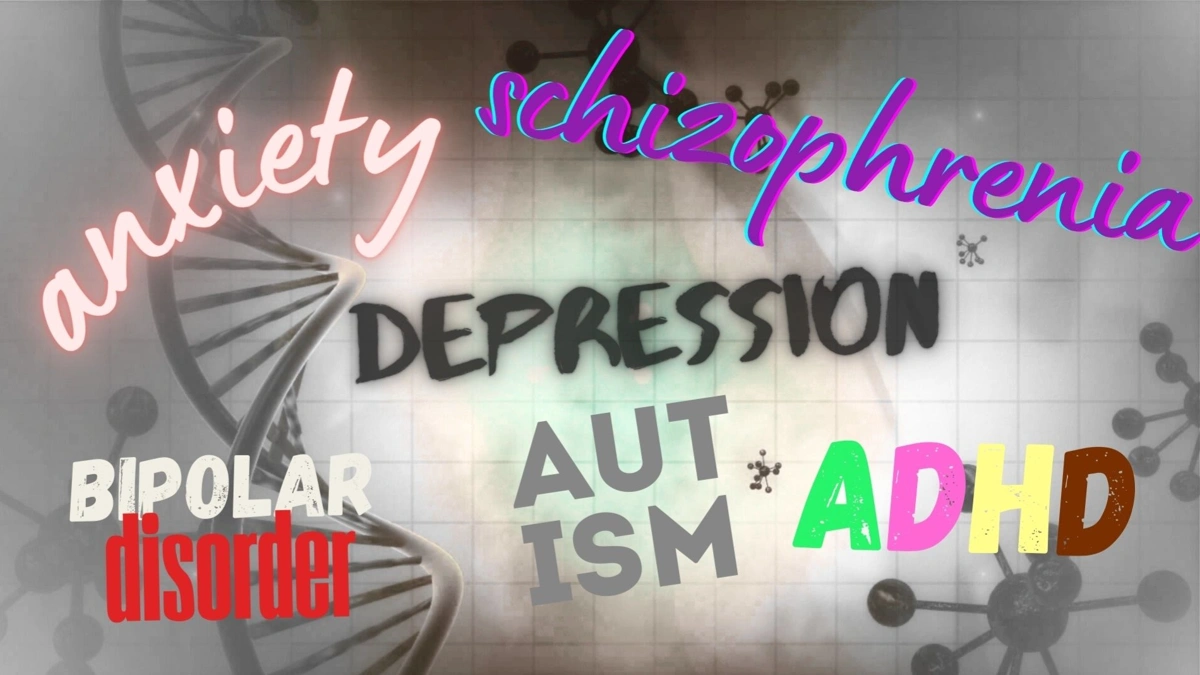
The research represents the broadest genetic analysis to date of conditions affecting both children and adults. Drawing on data from over one million diagnosed individuals, the team mapped shared and unique genetic risks, revealing substantial overlap across most disorders.
The Psychiatric Genomics Consortium analyzed common genetic variants tied to schizophrenia, bipolar disorder, major depression, anxiety, autism, attention deficit hyperactivity disorder, and several substance use disorders. Using multiple statistical and functional methods, researchers grouped these conditions into five broad genetic clusters.
One cluster linked schizophrenia and bipolar disorder, another included depression, anxiety, and post-traumatic stress disorder, A third captured neurodevelopmental conditions such as autism and attention deficit hyperactivity disorder, and the remaining two reflected compulsive behaviors and substance addictions.
The study found widespread genetic overlap both across entire genomes and at specific regions. A notable signal on chromosome eleven appeared in 8 of the 14 conditions. Many shared variants were active early in brain development, suggesting vulnerability long before symptoms emerge.
Researchers also identified nearly 240 genetic sites associated with one or more clusters, along with over 400 locations distinguishing specific disorders. These distinctive regions may explain why some conditions share traits yet remain clinically separate.
Biological patterns differed among clusters. Schizophrenia and bipolar disorder were linked to excitatory neurons, while depression and anxiety were tied to glial cells involved in myelin formation. These findings highlight that even shared genetic architecture can follow distinct neurobiological pathways.
The authors argue that their results support a more flexible, biology-based approach to psychiatric diagnosis and may guide treatments targeting mechanisms common to multiple conditions, benefiting patients with overlapping disorders.
While the study is the largest of its kind, most participants were of European ancestry. Researchers call for more diverse studies to understand genetic risks globally.
Earlier, Qazinform News Agency reported that Ozempic may reduce health risks in schizophrenia.