Kazakhstan launches new phase of light industry development
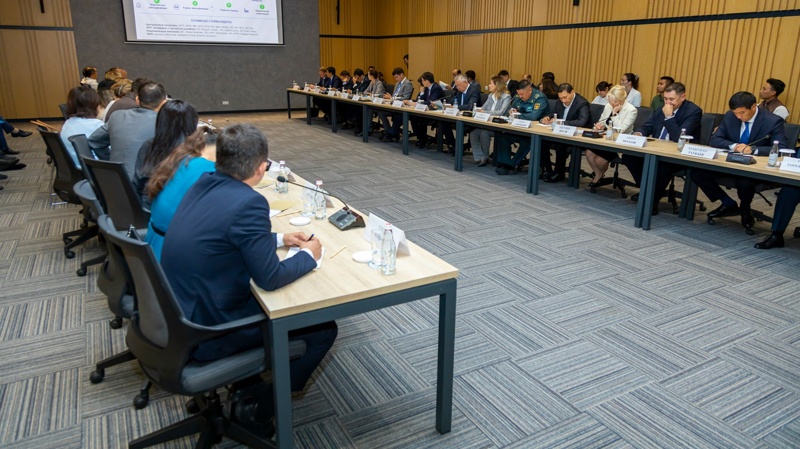
Deputy Prime Minister and Minister of National Economy Serik Zhumangarin chaired a meeting to discuss light industry development, Qazinform News Agency reports.
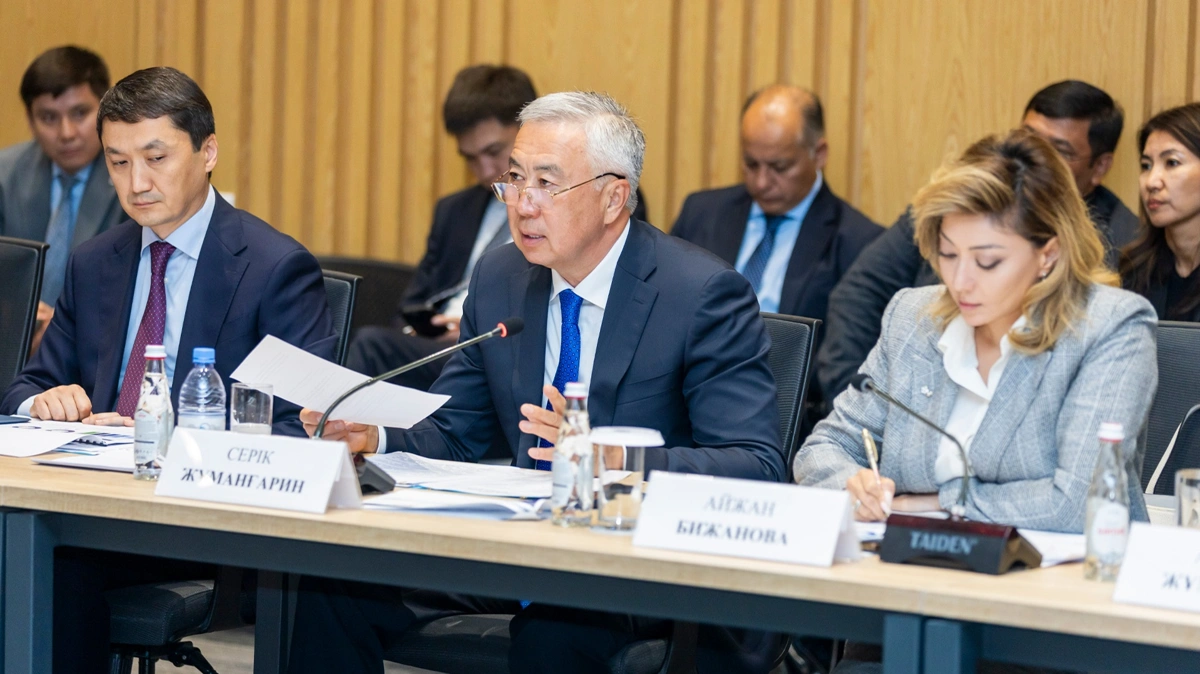
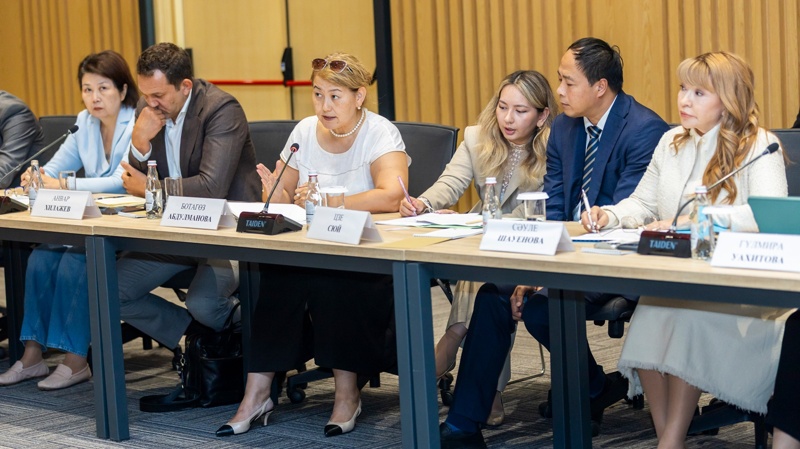
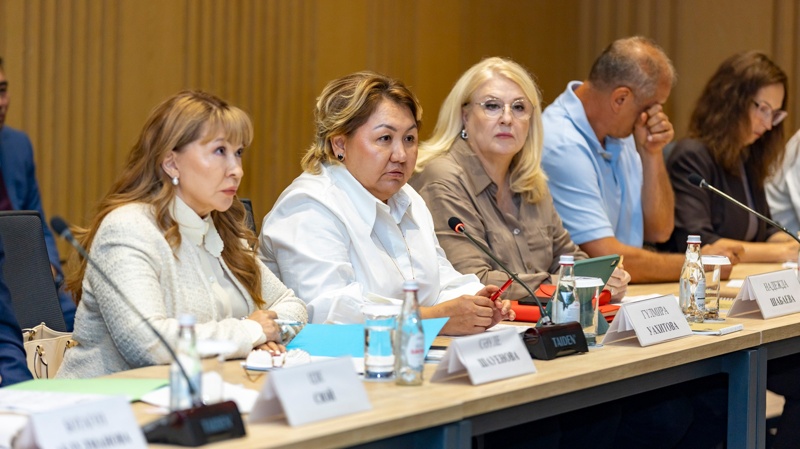
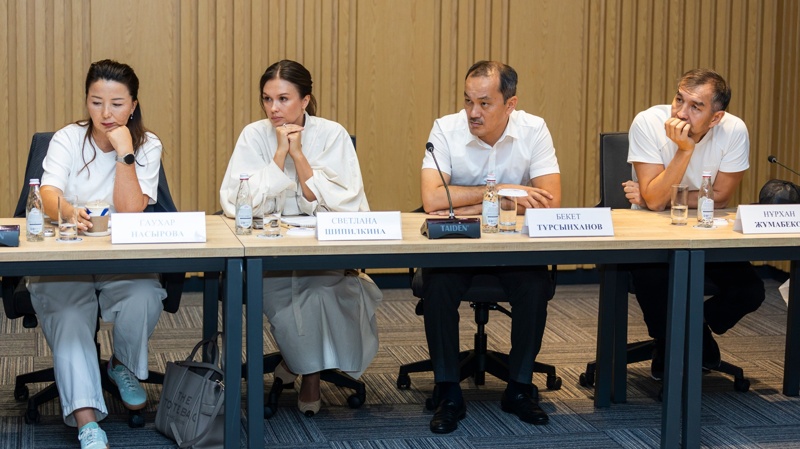
The meeting brought together government officials, the Atameken National Chamber of Entrepreneurs, the Damu Entrepreneurship Development Fund, and business leaders.
The Comprehensive Plan: 28 measures
The main provisions of the Comprehensive Plan for Light Industry Development for 2026–2030 were presented at the meeting.
As Vice Minister of Industry Olzhas Saparbekov noted, the document covers 28 measures aimed at improving legislation, procurement mechanisms, combating shadow imports, attracting investment, developing domestic brands, and manpower training.
Medium-term measures include ensuring raw material supply for manufacturers, expanding sales markets, and creating equal competitive conditions in government procurement.
In the long term, the focus is on deepening production localization and enhancing market transparency. Among the measures is the introduction of a full traceability system for raw materials and products, using "virtual warehouses" and electronic invoices.
Localization agreements
One of the key tools will be the introduction of localization agreements with industry enterprises, which will include commitments from businesses to increase production volumes, localization, create jobs, and improve employee qualifications. In return, businesses will be eligible for a range of government support measures, including preferential financing, equipment leasing, special investment contracts, and long-term procurement contracts.
The challenge of imports
According to the Ministry of Trade and Integration, Kazakhstan has the highest number of local producers in the light industry and agriculture. The main driver of demand for homegrown products remains the public and quasi-public sector. However, imports still significantly dominate the industry's foreign trade, indicating substantial potential for further growth in local manufacturing. The industry's future will depend on expanding the presence of Kazakhstan-made goods in the commercial market.
Support for domestic producers
Support measures for Kazakh producers were also on the agenda. Legislation now mandates that at least 30% of shelf space be allocated to domestic goods, and at least 50% for retail outlets receiving government support. Cases of retail chains unreasonably refusing to sign supply agreements or inflating rent have been restricted. Additionally, following the Prime Minister's instruction, the Ministry of Trade and Integration is developing a comprehensive program to support and promote products under the Qazaqstanda Jasalğan (Made in Kazakhstan) brand.
Upcoming product exhibition
During the meeting, Atameken and the Damu Entrepreneurship Development Fund presented proposals for the 10th Ulttyq Ónim exhibition of domestic producers, with a focus on light industry development. The organizers plan to expand the business program with industry plenary sessions, roundtables on sales development through marketplaces and retail, practical masterclasses, export and logistics consultations, as well as a Fashion Day and a "Best Light Industry Brand of Kazakhstan" competition. The exhibition is expected to become a platform for promoting domestic producers, developing cooperation between businesses, retail chains, and marketplaces, and popularizing Kazakhstan-made products.
Certification and procurement concerns
Chair of QazTextileIndustry Gulmira Uakhitova raised the issue of high certification costs for participating in government procurement, and proposed differentiating government support measures for enterprises with high localization that focus primarily on mass production of uniforms, and producers developing their own brands.
Serik Zhumangarin noted that certification remains a necessary tool for ensuring product quality and safety. Nevertheless, the Ministry of Trade and Integration has been instructed to explore ways to reduce certification costs, extend certificate validity, and provide certain concessions for enterprises operating under special investment contracts.
President of the Light Industry Enterprises Association Saltanat Abdikarimova called for improvements to government procurement requirements and the development of standard technical specifications for domestic producers.
Nadezhda Shabayeva, Director of the PO Global-Spetsodezhda working clothing factory, proposed that government procurement consider enterprises' contributions to job creation, production localization levels, and modernization investments, as well as expand the practice of long-term contracts with reliable domestic producers.
Participants also discussed school uniform manufacturing. Following the meeting, relevant government bodies were instructed to review proposals from the business community, including improving product quality requirements and government support mechanisms.
Ambitious goals for 2030
As Zhumangarin emphasized, the Ministry of National Economy prioritizes light industry development as key to providing employment opportunities and boosting domestic production.
"The Comprehensive Plan sets ambitious goals. By 2030, we need to increase raw material processing by 1.5 to 2 times, create around 40,000 jobs, and launch 35 investment projects. The government is ready to support enterprises that increase localization and develop production. The Comprehensive Plan will remain a flexible document and will be adjusted as needed based on implementation experience," Serik Zhumangarin emphasized.
As reported in May 2026, Prime Minister Bektenov urged new approaches to light industry development.