Kazakhstan enacts new anti-corruption measures
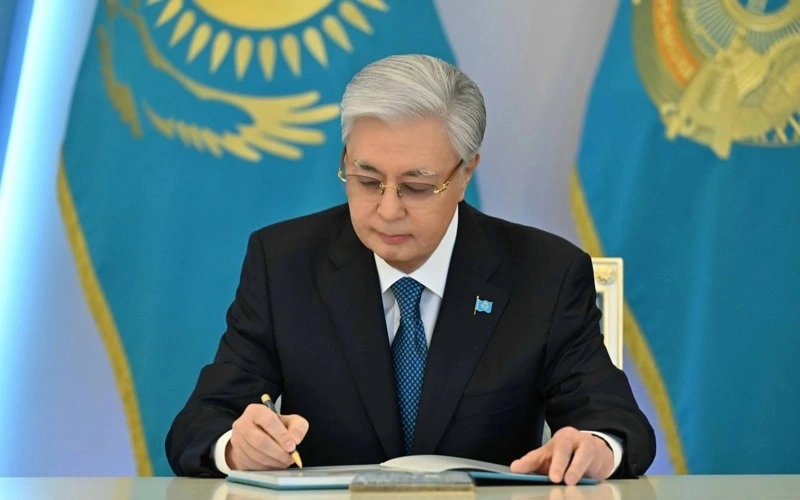
President of Kazakhstan Kassym-Jomart Tokayev has signed the Law amending certain legislative acts on combating corruption, Qazinform News Agency reports, citing the Akorda press service.
One of the key changes is the introduction of criminal liability not only for receiving or giving a bribe, but also for promising, offering, or demanding a bribe.
The amendments also introduce a comprehensive mechanism to prevent conflicts of interest. Civil servants and equal-status persons are prohibited from using their official powers for personal gain. The law also requires civil servants to declare personal interests and sets out procedures for handling conflicts of interest.
The law tightens restrictions on relatives and related persons serving together. These restrictions will apply not only to direct subordination but also to cases of indirect influence, internal oversight, and HR management. Specifically, the head's close relatives, including nephews, brothers-in-law, and sons-in-law, will be banned from serving in the same agency.
The range of persons subject to anti-corruption restrictions is expanded to include employees of the quasi-public sector, as well as participants in projects financed by the state budget and the National Fund.
A separate provision formalizes the E-Qyzmet digital personnel system, which aims to transfer human resources processes in government agencies and the quasi-public sector to a unified digital format.
The law also tightens liability for illegal remuneration in government and quasi-public organizations. It increases administrative liability for legal entities for corruption offenses and extends the limitation period for individuals from one year to three years.
In addition, restrictions for those convicted of corruption offenses are clarified. Individuals will face a lifetime ban from holding positions that involve performing state functions.
Earlier today, the President of Kazakhstan, Kassym-Jomart Tokayev, received the Speaker of the Jogorku Kenesh of the Kyrgyz Republic, Marlen Mamataliyev.