Kazakh student invents rehabilitation system for stroke survivors
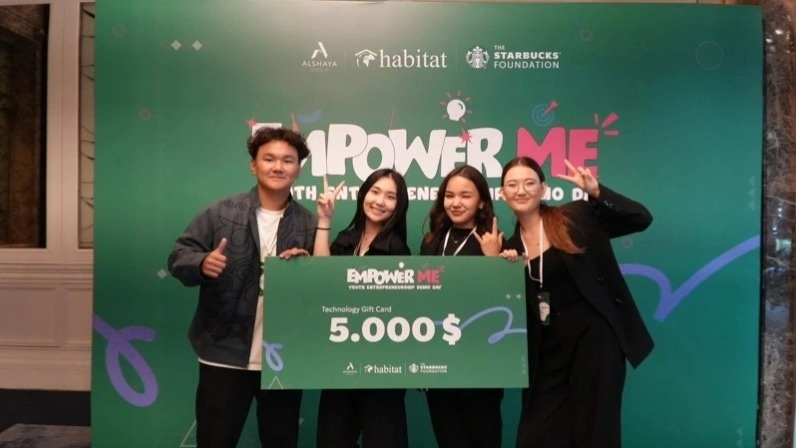
A 12th-grade student at the Nazarbayev Intellectual School in Kyzylorda, Yerassyl Aidarbek, as part of the NauanX team, won second place at the international Empower Me competition held in Istanbul, Qazinform News Agency reports.

Together with school graduates Zhuldyzai Munaitbassova, Arailym Ashirmet, and Raushan Turganbai, he presented a rehabilitation system designed for patients recovering from stroke.
The idea for the project emerged after a close friend of Yerassyl Aidarbek suffered a stroke.
Yerassyl Aibdarbek said his friend fortunately survived, but the rehabilitation process was very difficult. The exercises were repetitive and monotonous. Doctors recommended purchasing a robotic rehabilitation device from the United States. Even a simple mechanical rehabilitation glove cost 1,700 US dollars, which is far too expensive.
That made him think there had to be a more affordable solution. Within a few months, they developed the first working prototype of their system.
The system consists of three specialized devices integrated with video games, each serving a distinct purpose.
Remotion helps improve fine motor skills and hand movement precision. R-Expander allows patients to strengthen forearm muscles by squeezing a grip controller to shoot at in-game targets while controlling wrist movements. Resound functions as a musical training device. Each finger, except the thumb, corresponds to a specific note. Patients follow simple sheet music and perform melodies, helping to develop isolated finger movements, coordination, and cognitive functions.
“According to global statistics, more than 94 million people live with the consequences of stroke. During rehabilitation, many patients experience apathy and depression due to repetitive physical exercises. We wanted to turn this challenging period into an engaging gaming experience that could also improve patients’ emotional well-being. Over eight weeks, we conducted trials with a group of patients. Electromyography (EMG/RMS) data showed increased muscle activity. Patients were more motivated to participate in game-based training and reported improvements in mood,” the young inventor explained.
Aidarbek has already decided how to use the prize of up to 5,000 US dollars.
“With this grant, we plan to further refine the device in consultation with medical specialists and adapt it to the requirements of real-world treatment. We have already secured a patent and copyright protection and are preparing the documents required for the costly medical licensing process. Our ultimate goal is to create a fully commercial product that is affordable and accessible to everyone. If it becomes standard equipment in rehabilitation centers and both public and private clinics in Kazakhstan and abroad, helping thousands of people return to полноценная life, we will consider our mission accomplished,” he said.
Notably, over 37,000 scientific inventions are registered in Kazakhstan.