Kazakh neurosurgeons adopt new technique to treat brain tumors
Neurosurgeons at the Medical Center Hospital of Kazakhstan's Presidential Affairs Department are using advanced techniques to treat brain diseases, extending new surgical options to patients with brain tumors, Qazinform News Agency reports.

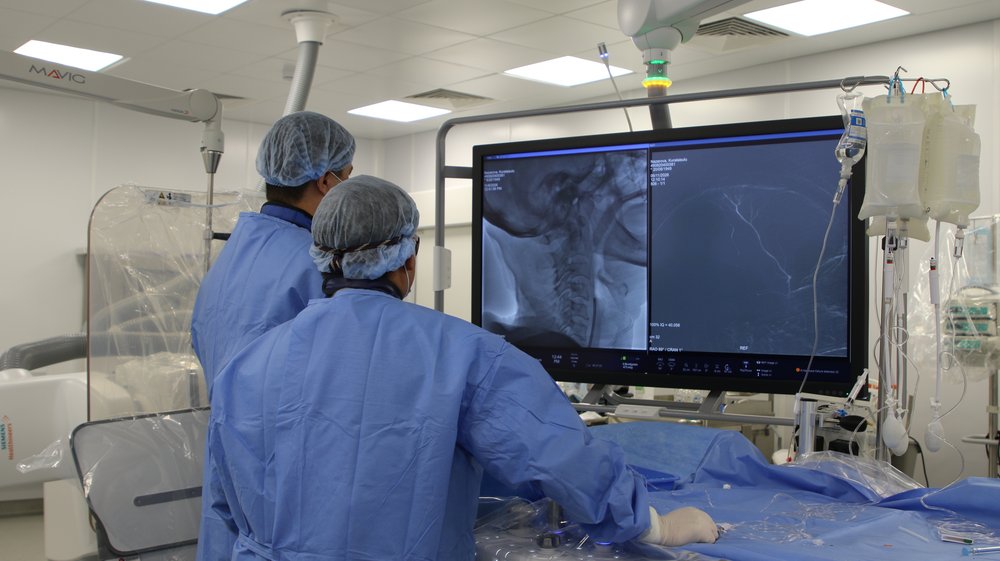
As part of this effort, Dr. Islambek Mussabekov, a neurosurgeon at the hospital, performs tumor embolization, a minimally invasive procedure designed to cut off the blood supply feeding a brain tumor.
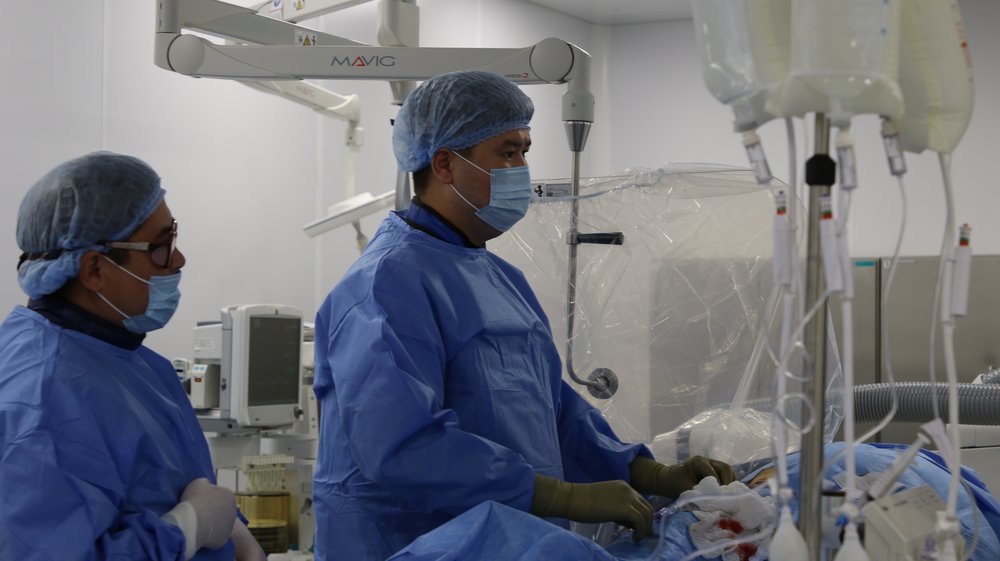
During the procedure, surgeons insert a thin catheter through a small puncture in the thigh and guide it to the blood vessels nourishing the tumor. They then use a specialized medical material to block blood flow.

By obstructing the tumor's blood supply, the procedure minimizes blood loss during subsequent surgical removal without requiring open brain surgery at this preliminary stage. Patients with uncomplicated recoveries are typically discharged within four to five days.
Under healthcare policy, Kazakhstan's Mandatory Social Health Insurance system covers medical care using this technique.
Beyond his clinical practice, Dr. Mussabekov actively engages in medical research. In 2026, he co-authored four articles in top-tier (Q1) international scientific journals, three of which focused on meningiomas — tumors originating from the membranes surrounding the brain.
Drawing on these academic achievements and his active professional ties with international colleagues, the doctor noted that patients who undergo the intervention return to daily life and work without any major decline in their quality of life.
Ultimately, the hospital noted that developing advanced medical techniques expands specialized care for patients and enables the direct application of new scientific advances in everyday clinical practice.
Qazinform News Agency reported earlier that more than 50,000 children have been born in Kazakhstan through assisted reproductive technologies (ART), including in vitro fertilization (IVF).