EU demands an end to strikes on energy and water infrastructure in Middle East
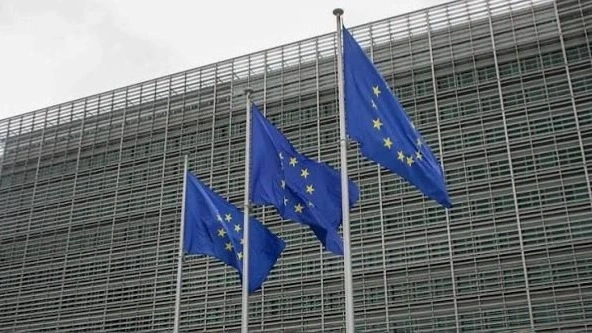
The European Council’s Summit in Brussels turned out to be one of the most tense in recent years. The agenda of the meeting of leaders of 27 EU member states was shaped by geopolitical conflicts and rising energy prices, Qazinform News Agency reports.
The central issue on the agenda was the situation in the Middle East in the context of U.S. and Israeli military actions against Iran.
In their joint conclusions, the leaders called for “de-escalation and maximum restraint,” as well as “a moratorium on strikes against energy and water facilities.”
Although 27 heads of state and government agreed on the urgent need to restore shipping through the Strait of Hormuz, they stated that the deployment of an EU naval mission, as requested by U.S. President Donald Trump, should take place “only after the necessary conditions are met.”
EU leaders called on Iran and its proxies to “immediately cease these attacks and respect the sovereignty and territorial integrity of countries in the region, in line with UN Security Council Resolution (UNSCR) 2817.”
The European Council reiterates that “Iran must never be allowed to acquire a nuclear weapon and that it must comply with its legally binding nuclear safeguard obligations under the Non-Proliferation Treaty.
The European Council urges Iran to resume full cooperation with the International Atomic Energy Agency.
“The European Council calls on the Iranian regime to cease the violence and repression against its own people. It calls for the respect of the universal human rights and fundamental freedoms of the Iranian people, including the right to choose their own future,” the document reads.
The summit participants proposed a temporary moratorium on strikes against energy and water infrastructure in the region to avoid a humanitarian catastrophe and further chaos in the markets. The EU also expressed readiness to contribute to diplomatic efforts toward de-escalation.
Earlier, Qazinform reported that leaders of Great Britain, France, Germany, Italy, the Netherlands, Japan, and Canada had announced their readiness to ensure safe navigation in the Strait of Hormuz amid the Middle East conflict.