Constitutional reform set to adapt human rights to digital reality, says expert
In an interview to Qazinform News Agency, Indira Rystina, political expert and vice rector at the Gumilyev Eurasian National University, said that extending rights to the digital domain, enhancing procedural guarantees, and transitioning to proportional representation voting (PR) will strengthen protection of citizens’ rights and political pluralism in Kazakhstan.
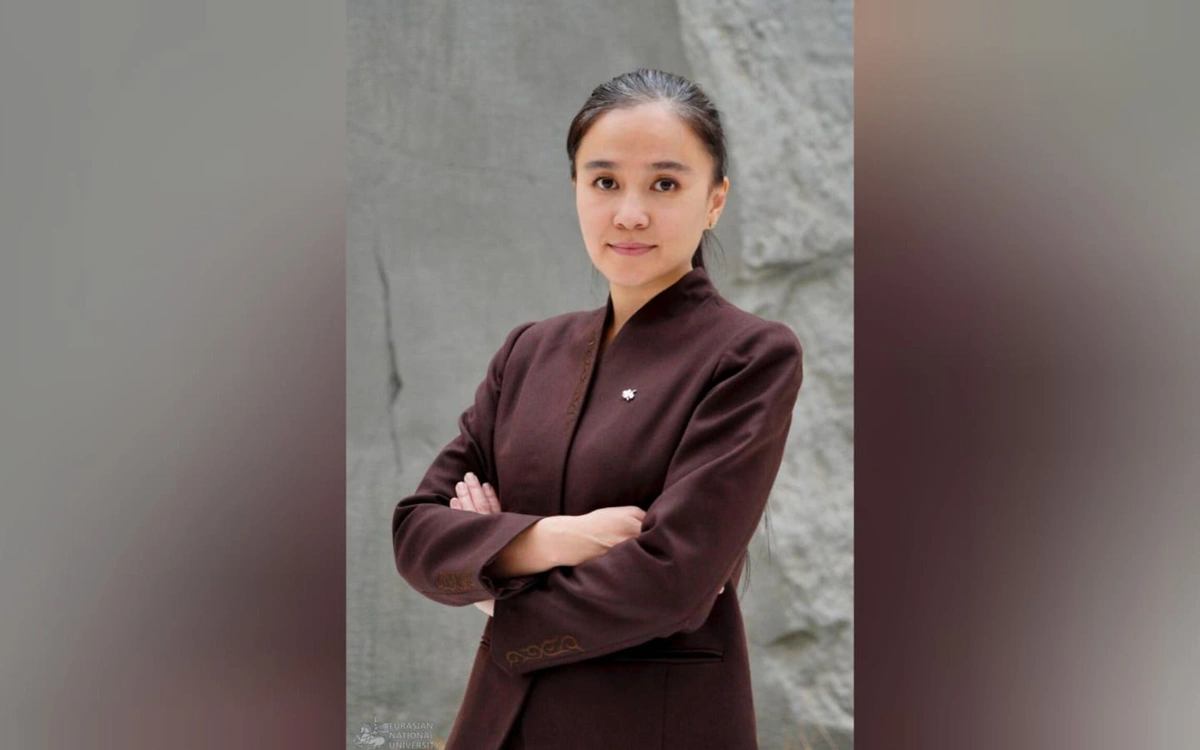
Rystina said stipulating digital rights and guarantees such as the Miranda warning and prohibition against the retrospective operation of law in the Constitution reflects the society’s transition to a new phase of development, with most of the rights exercised in the digital domain.
By introducing digital rights into the Constitution, the country recognizes that the digital domain constitutes an integral part of the legal system, with the same guarantees as in real life, Rystina told Qazinform.
The expert stressed that the constitutional status of procedural guarantees provides significantly higher protection, making them binding on all government agencies and ruling out arbitrary interpretation at the level of subordinate acts.
If the norm is embedded in the Constitution, any laws and practices that contradict it are declared unconstitutional and subject to repeal, she said.
Speaking about shifting to the proportional representation voting (PR) system, Rystina noted that lowing the electoral threshold to five percent had already led to practical results by enhancing party representation in parliament, while further enhancement of proportional representation is expected to increase competition.
Raising seats distributed among parties objectively expands political representation as well as prompts parties to engage more actively with voters, especially in regions, said the political expert.
Commenting on the legitimacy and transparency of the upcoming referendum, Rystina said "the constitutional reform is undergoing stages of professional and public review – from the establishment of working groups and the Constitutional Commission to public debate of the draft Basic Law and gathering public input through governmental digital platforms."
Earlier, political scientist and member of the Constitutional Reform Commission Marat Shibutov, in an interview with the Jibek Joly TV channel, spoke about the redistribution of powers between branches of government and dispelled myths surrounding the draft Basic Law.