Closer look into Kazakhstan’s political reforms in 2022
Kazakhstan has ushered in a new stage of political modernization since 2019. But after the tragic January events, the reforms, conducted under the New Kazakhstan agenda, are meant to reboot the political system entirely.
Over the past years, several packages of political reforms have been implemented, and at least 13 laws aimed at increasing competitiveness and transparency of the political process have been adopted.
The next package of political reforms was put forward by President Tokayev in his address to the nation on March 16 and was implemented through the June constitutional referendum. Major initiatives were also voiced in the address to the nation on September 1.
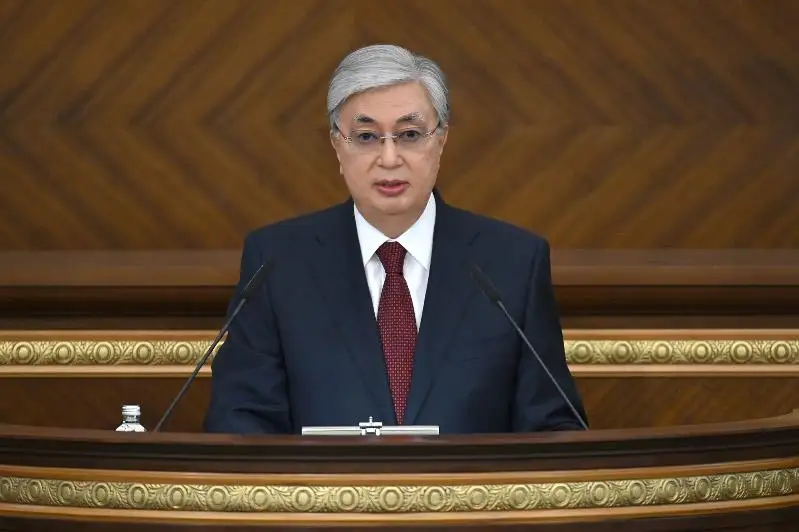
Photo: akorda.kz
Speaking to the nation in March, just two months after the January unrest, Tokayev emphasized the importance of reforms.
«I am firmly convinced that our country still needs fundamental reforms. Otherwise, there could be stagnation. We have seen its devastating consequences in recent Soviet history. In fact, to some extent, the January events were also the result of domestic stagnation,» he said back then.
Constitutional reform
The June 5 referendum brought about significant changes highlighting the idea of building a New Kazakhstan with a strong President – an influential Parliament – an accountable government.

«Such a system will ensure an optimal balance of power institutions and contribute to the country’s sustainable development,» said Tokayev on March 16.
The constitutional referendum has reduced presidential powers while giving more to the Parliament. In particular, the President is now obliged to terminate his or her membership in the party for the period of the term of office, and the close family of the President is banned from holding positions of political civil servants and managers in the quasi-public sector.
To limit the powers of the President, the presidential quota in the Senate, an upper chamber of the Kazakh Parliament, was reduced from 15 to 10 deputies. Five of them are proposed by the Assembly of People of Kazakhstan.

Limiting presidential mandate
Tokayev signed a bill on September 17, limiting the presidential mandate to a single 7-year term with no right for re-election, instead of the previous two 5-year terms.
«The election of one person as President for only one 7-year term is a political novelty that currently has no precedents in Kazakhstan's immediate and distant environment. The norm of the single presidency is, first of all, aimed at the long-term stabilization of the political system, eliminating risks of power monopolization and strengthening the basic principles of democracy,» wrote State Counselor Erlan Karin, commenting on the bill.
Improvement of the electoral system
Kazakhstan transitioned to a mixed electoral system, and this initiative also came into effect with the constitutional referendum. President Tokayev signed the relevant law on November 5.
The members of the Majilis will now be formed according to the following scheme – 70 percent on a proportional basis and 30 percent on a majoritarian basis. A mixed model will be introduced in the election of maslikhats of regions and cities of national significance.
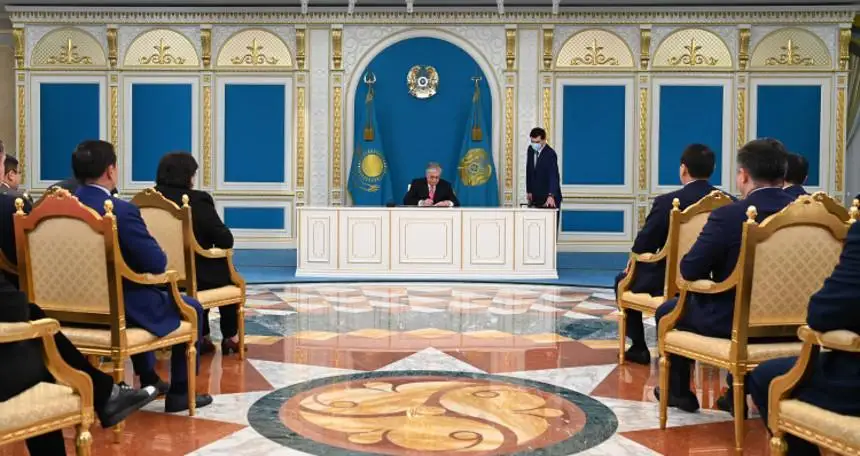
Photo: akorda.kz
Simplifying party registration procedures
Reforms have also affected the procedures of registering a party. In particular, the registration threshold was reduced fourfold, from 20,000 to 5,000 people, the minimum required number of people at regional branches was reduced threefold, from 600 to 200 individuals and the minimum number of citizens’ initiative groups to create a party was reduced by almost a third, from 1,000 to 700 people.
The timing of the founding congress and the period of formation of branches was also increased. This is particularly important as Kazakhstan prepares for elections to Majilis and maslikhats in the first half of 2023.
Greater human rights focus
Several laws signed by President Tokayev on November 5 are meant to boost the human rights focus. These include re-establishing the Constitutional Court from January 1, 2023 and granting more powers to the Human Rights Ombudsperson and Prosecutor General’s Office.
The Constitutional Court will consist of 11 judges and replace the current Constitutional Council. It gives citizens the opportunity to challenge laws and decisions that do not comply with constitutional law, thereby giving them an opportunity to protect their rights.

The Prosecutor General and the Human Rights Ombudsperson were also granted the right to appeal to the Constitutional Court.
2023 promises the continuation of the ongoing reforms ahead of the upcoming election to the Senate scheduled for January 14, 2023, and the election to the Majilis and maslikhats scheduled for the first half of 2023. These elections are expected to become the next stage in resetting state institutions in Kazakhstan.
Written by Assel Satubaldina