Balancing AI efficiency and public interest discussed by civil servants at UN Public Service Forum
More than 40 government officials and practitioners from Central Asia, the Caucasus and the Asia-Pacific region gathered in Tbilisi for the workshop “AI in Governance: Balancing Efficiency and Public Interest”, held within the framework of the 2026 United Nations Public Service Forum, Qazinform News Agency reports.
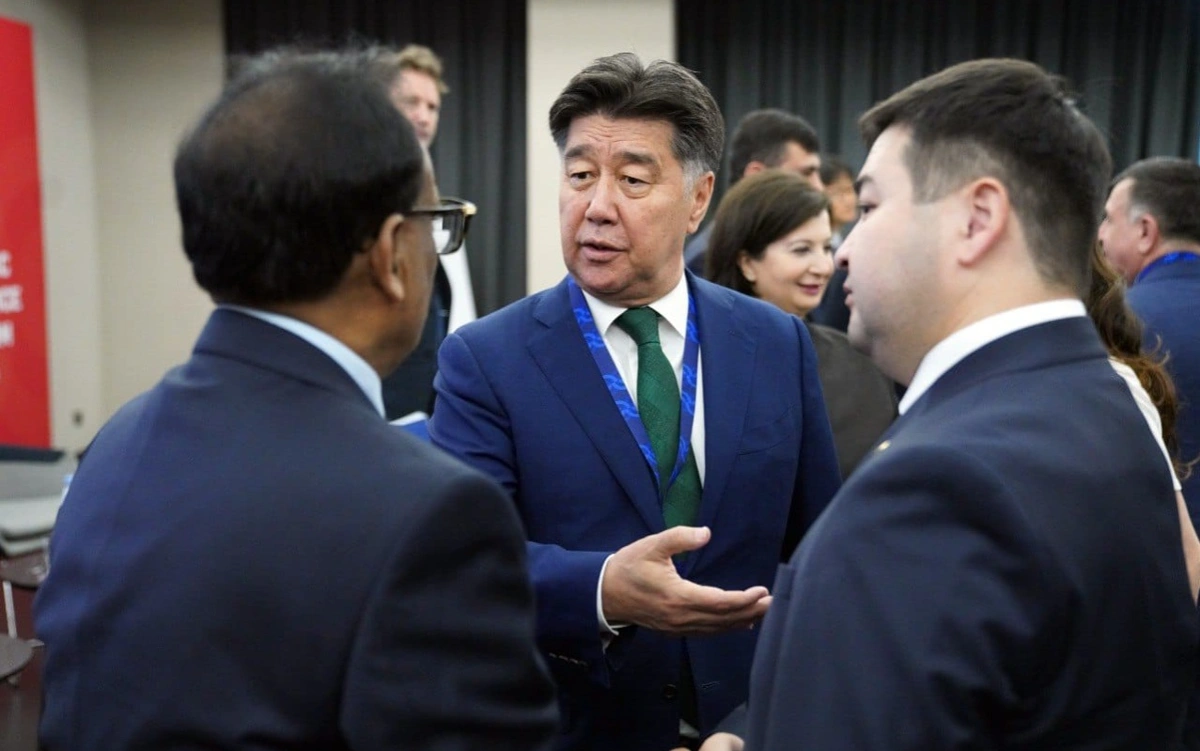
Participants discussed how artificial intelligence (AI) can enhance the effectiveness of the public sector while ensuring accountability, transparency, inclusiveness, and meaningful human involvement in decision-making.

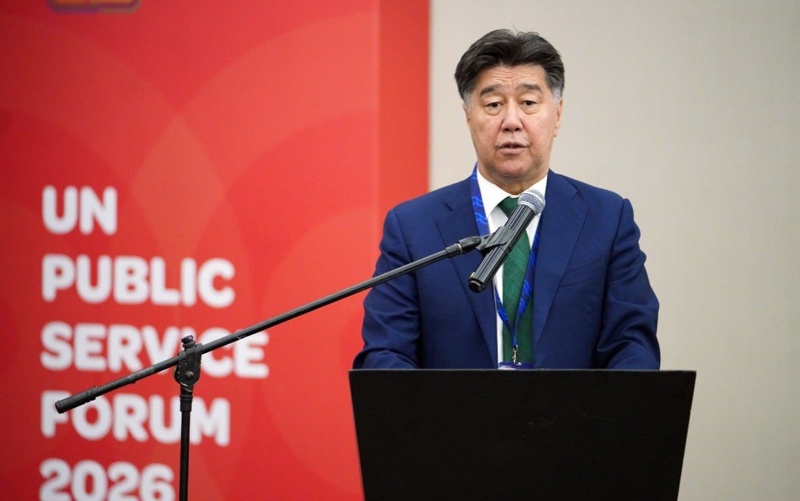
In his welcoming remarks, Mr. Alikhan Baimenov, Chairman of the Steering Committee of the Astana Civil Service Hub, noted that the era of human–AI coexistence presents new opportunities to improve public governance. At the same time, he stressed that the rapid advancement of AI requires particular attention to transparency, data protection, human rights, and ethical principles, as well as maintaining a balance between efficiency and the public interest. He emphasized that the opportunities and challenges associated with AI are global in nature and require international cooperation and knowledge-sharing.
Mr. Jinhong Sim, Director of the AI Government Office at the Ministry of the Interior and Safety of the Republic of Korea, presented Korea's vision of an “AI Democratic Government”. The concept promotes AI not only as a technology, but also as a tool for improving citizens' quality of life, expanding public participation in governance, building a more open, responsive, and people-centred government, and ensuring an inclusive digital transformation.
Welcoming remarks were also delivered by Ms. Tamar Zodelava, Deputy Minister of Justice of Georgia, H.E. Faqir Mahbub Anam, Minister of Posts, Telecommunications and Information Technology of the People’s Republic of Bangladesh, speaking on behalf of the participating countries, and Mr. Douglas Webb, UNDP Resident Representative in Georgia.
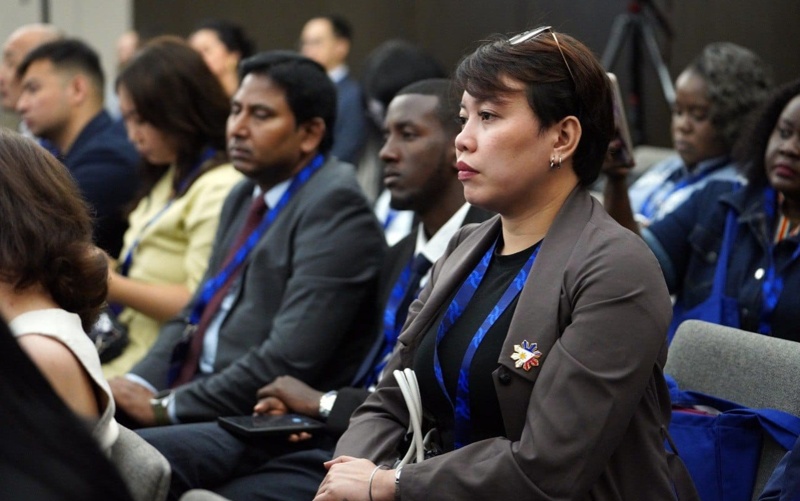
The event also featured presentations by representatives of the Ministry of the Interior and Safety of the Republic of Korea, the United Nations Department of Economic and Social Affairs (UN DESA), the World Bank, the International Telecommunication Union (ITU), and the National Institute for Research and Development in Informatics of Romania. Their presentations showcased international experience and best practices in AI governance, digital infrastructure, accountability, and the responsible use of AI in the public sector.
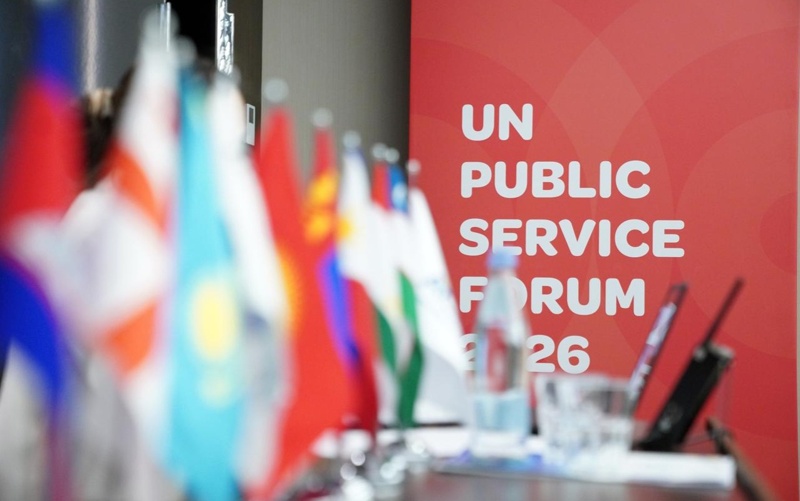
During the interactive discussion, participants explored the key opportunities and challenges of AI adoption in public administration, with particular attention to institutional readiness, governance capacities, risk management, and strengthening public trust. Representatives of the twelve participating countries also shared their national experiences in AI adoption, including achievements, current challenges, and future priorities.
Furthermore, Mr. Alikhan Baimenov held bilateral meetings with H.E. Faqir Mahbub Anam, Minister of Posts, Telecommunications and Information Technology of the People's Republic of Bangladesh; H.E. Vandeth Chea, Minister of Post and Telecommunications of the Kingdom of Cambodia; Mr. David Almirol, Undersecretary of the Department of Information and Communications Technology of the Republic of the Philippines; and Mr. Thavisak Manodham, Director General of the Ministry of Technology and Communications of the Lao PDR.
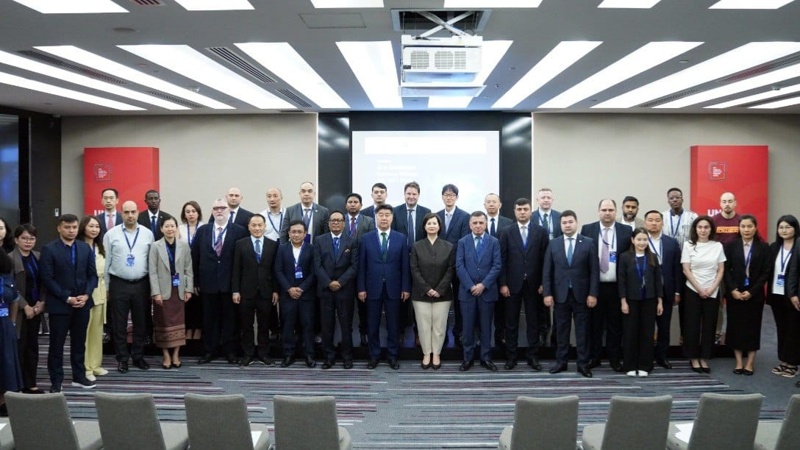
Mr. Baimenov also met with representatives of the United Nations and the Council of Europe. The parties discussed opportunities to further strengthen cooperation in the field of digital government.
The workshop was organized by the Astana Civil Service Hub (ACSH), UNDP Kazakhstan, the Ministry of the Interior and Safety (MOIS) of the Republic of Korea, and the National Information Society Agency (NIA) of the Republic of Korea, in partnership with the Ministry of Justice of Georgia.