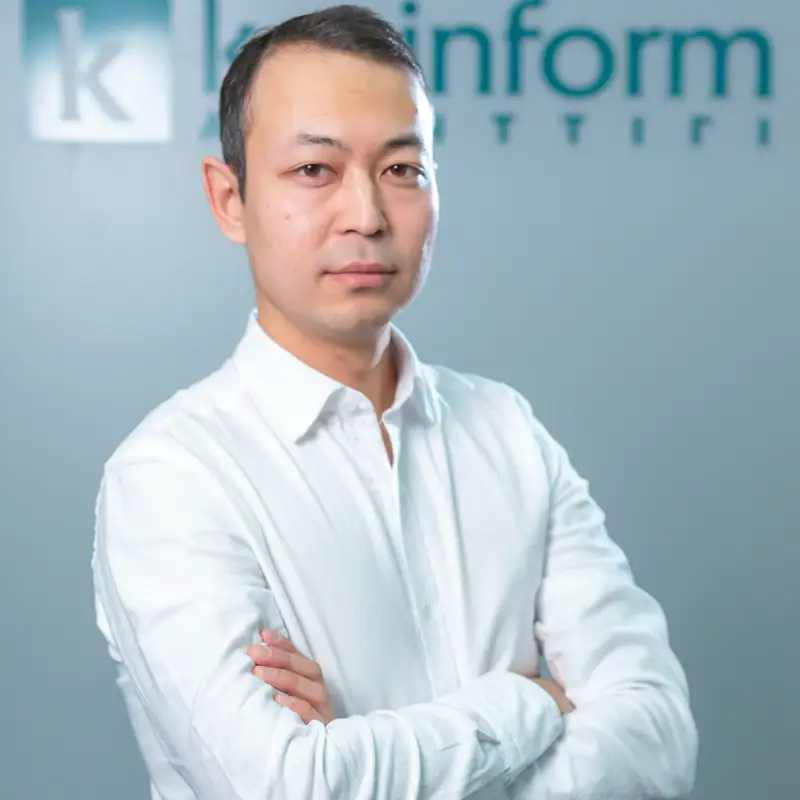
Architects of new standards: How mentorship and digital technologies are transforming the quality of orthodontics in Kazakhstan
Modern orthodontics is undergoing a transformation: the pace at which clinical protocols evolve makes continuous professional development essential. Amid the rapid digitalization of healthcare in Kazakhstan, a new approach to treatment is taking shape, combining a strong foundation in fundamental science, the institution of mentorship, and the integration of advanced IT solutions, including artificial intelligence and direct 3D printing, Qazinform News Agency reports.

From Theory to Clinical Thinking
An analysis of the industry's human resource capacity reveals a significant gap between academic training and the real needs of clinical practice. As a rule, traditional university education provides a solid theoretical foundation; however, orthodontics is evolving so rapidly that graduates of medical universities inevitably face gaps in practical knowledge. At the beginning of their careers, young specialists critically lack a systematic understanding of comprehensive diagnostics, skills in interpreting cone-beam computed tomography (CBCT), cephalometric analysis of lateral cephalometric radiographs, and knowledge of advanced biomechanics.
Experience in mentorship shows that practical training should begin with transforming the way clinicians think. The focus shifts from mechanical procedures to the development of clinical judgment. Doctors must be taught to make well-considered decisions and develop treatment plans by taking all patient data into account while avoiding procedures that have no clear clinical purpose.
Kazakhstani specialists should adopt international quality standards and a commitment to evidence-based dentistry, as demonstrated, for example, by the American Dental Association (ADA).
Overcoming the Fear of Innovation
The integration of innovation often encounters skepticism among conservative practitioners. However, demonstrating the capabilities of digital treatment planning quickly changes this attitude. Once clinicians appreciate the accuracy of virtual planning, most abandon conventional analog methods.
“Any new technology initially causes a certain degree of caution and distrust. But once a doctor sees the possibilities of digital modeling, the precision of treatment planning, and the convenience of the workflow, most begin implementing these technologies in their own practice and no longer wish to return to previous methods.”
The turning point comes through the practical demonstration of the capabilities of digital modeling. When a clinician directly evaluates the micron-level precision of virtual treatment planning and the exceptional convenience of digital clinical workflows, skepticism gives way to confidence in digital treatment protocols. Statistics show that most practitioners who have successfully integrated digital protocols no longer wish to return to traditional analog methods.

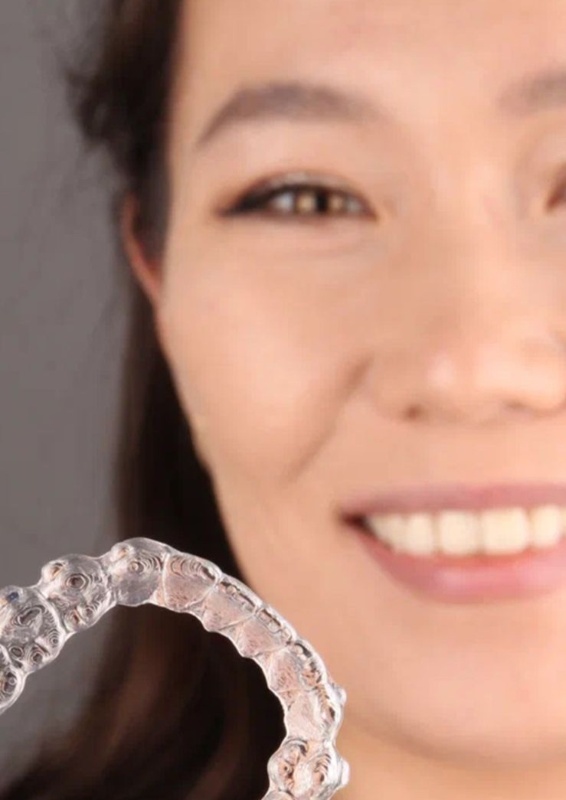
A striking example of this technological leap is the transition to directly 3D-printed aligners made from biocompatible shape-memory resins. This technology addresses the fundamental limitations of traditional manufacturing and provides a fundamentally different level of control over the biomechanics of tooth movement.
Artificial Intelligence as a Mentor
The evolution of mentorship has led to the emergence of neural networks serving as universal "digital mentors" for clinicians.
“Their purpose is not to replace the specialist, but to become an intelligent assistant. This is especially important for young orthodontists who are only beginning independent clinical practice.”
Within minutes, algorithms analyze CBCT scans and identify hidden pathologies while minimizing the risk of human error. The digital mentor assists the clinician during the treatment planning stage by suggesting biomechanical solutions. The training of these algorithms is strictly regulated: the datasets are built using data from healthy patients, establishing reference values of normal anatomy and physiology for artificial intelligence.
Principles of Future Practice
The combination of clinical experience, laboratory innovation, and IT technologies makes it possible to formulate the main principle for young orthodontists: professional education should never stop.
“New technologies should not be feared, but their application requires verification. The ability to think clinically and to respect the patient's biology remain the most important professional skills. Behind every digital treatment plan stands a living person, which is why the balance between empathy and technology defines the quality of the medicine of the future.”
It is precisely this balance between empathy and technological progress that shapes the highest standards of the medicine of the future.