Japan startup expands "granny business" to put elderly women to work
A Japanese startup is expanding a "granny business" that turns seniors' lifetime skills into paid work through cafes, food stalls and community festivals, placing elderly women -- including those with dementia -- at the center of local economies, Kyodo reports.

The company based in the Fukuoka Prefecture city of Ukiha, Ukiha no Takara Co. (Ukiha's Treasure), draws on cooking, hospitality and fashion skills accumulated over decades, offering paid employment rather than volunteer roles.
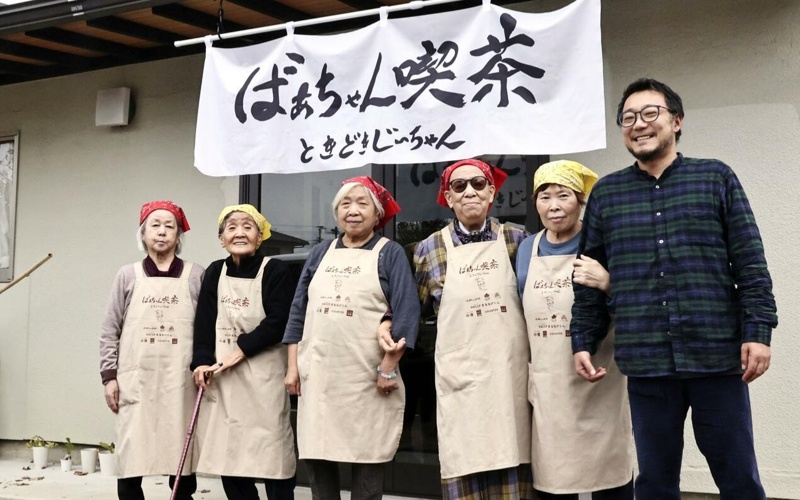
The initiative aims to reduce isolation among seniors while keeping money circulating within local communities.
"When seniors earn money and spend it locally, it helps create vibrant regional communities," said Mitsuru Okuma, 45, president and CEO of the company behind the project.
Every Thursday at 10 a.m., about five women in their 80s and 90s living with dementia gather at the "Grandma's Tearoom" in Fukuoka. After tying on aprons, they set to work pounding pork cutlets, shredding cabbage.
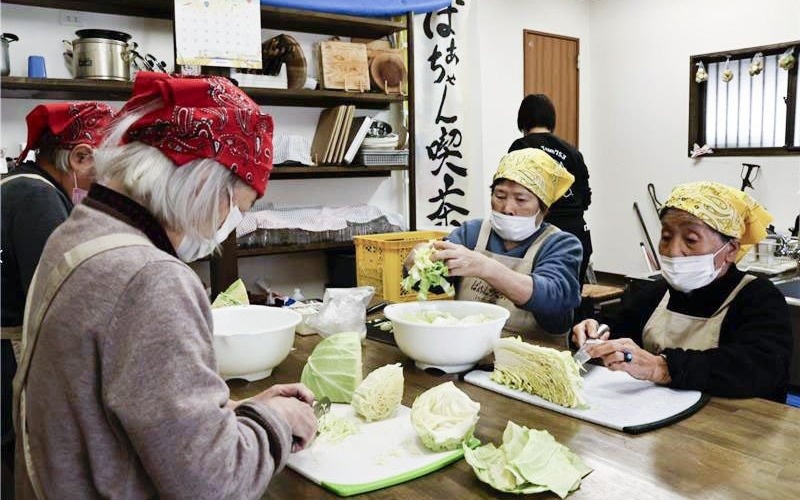
Masako Taniguchi, 85, serves as the cafe's main dish cook and "pin-up girl." She previously worked in restaurants and snack bars -- experience she now applies to both cooking and customer service. As customers leave, she sees them off with a smile.
"Hearing people say, 'It's delicious,' is what makes it worthwhile," Taniguchi said.
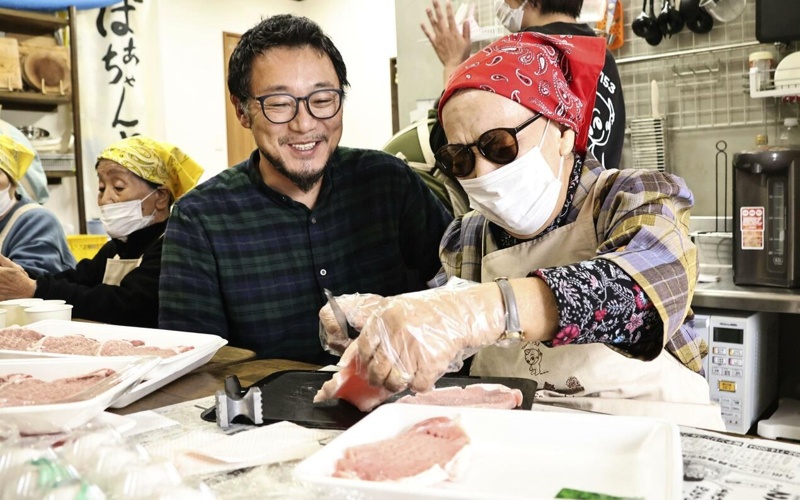
The cafe is operated by the company Okuma founded in 2019. He said the idea emerged after listening to older residents express frustration about their finances and mobility.
"I'd hear them say things like 'we can't live on our pensions alone' and 'We don't go out because we don't have a car or money,'" he said.
Job opportunities are especially scarce for people over 75, even for those who remain motivated and capable. "I thought, let's use grandma's wisdom and skills," Okuma said.
About 50 seniors currently work with the company as contractors. Most are women, though several men are also involved. After discussions with participants, the business focused on food service and clothing.
The company operates several cafes in the southwestern prefecture and sells monpe, traditional loose-fitting Japanese work pants, as well as dried sweet potatoes online. Annual sales exceed 20 million yen ($130,500).
Last October, Ukiha no Takara hosted a festival in Ukiha where seniors showcased hobbies such as fashion and band performances.
Operating costs were covered by advertising revenue from sponsor companies, and the event drew about 850 attendees, most of them seniors.
"Granny business isn't welfare," Okuma said. "It's about creating opportunities."
The concept is now spreading beyond Fukuoka. In Wakayama, company employee Moe Oga, 29, opened a food stall inspired by the initiative.
Her grandmother, who once ran a snack bar, closed her shop during the COVID-19 pandemic and later developed dementia, losing her vitality.
After learning about Okuma's activities online, Oga contacted him for guidance and opened "Grandma's Bar" late last year. The stall sells side dishes prepared by seniors.
"I want to create a place where different generations can talk and be stimulated," Oga said.
In Kumamoto, Yukiko Tsukamoto, 51, who manages a supported senior housing facility, plans to open "Grandma's Cafe" this March. Residents will staff the cafeteria, many saying they want to use their wages to buy clothes.
When residents rehearsed by running a stall at a festival last October, Tsukamoto said they appeared noticeably younger. Okuma said he hopes to continue expanding the model.
"I want to work with many people to build an environment where seniors can shine," he said.
As written before, Japan town to cast votes for most popular seafood on Feb. 8.