Draft of new Constitution of Kazakhstan released
The Constitutional Reform Commission has published the draft of the new Constitution of Kazakhstan, Qazinform News Agency reports.
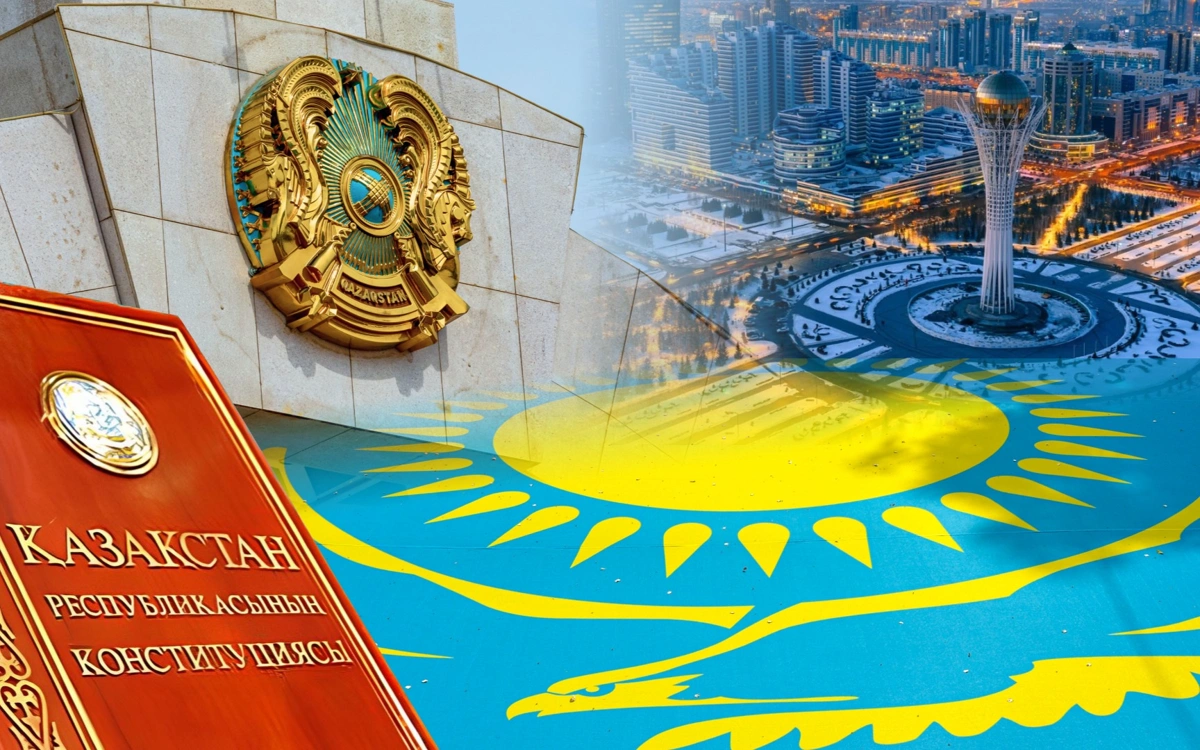
As it was reported, on February 11, 2026, President Kassym-Jomart Tokayev signed a decree to hold a nationwide referendum on the adoption of the new Constitution on March 15, 2026.
The starting point for the constitutional reform was the initiative of the Head of State, Kassym-Jomart Tokayev, to establish a unicameral parliament in Kazakhstan. The President announced this idea on September 8, 2025, during his annual Address to the Nation, with the aim of comprehensively rebooting the political system and positively influencing the further course of Kazakhstan’s socio-economic development in the era of artificial intelligence.
On October 8, the President ordered to set up a Working Group on Parliamentary Reform, which included prominent legal scholars, experts, representatives of political party factions, and public organizations. Citizens' proposals and opinions were submitted through the e-Otinish and eGov portals.
Throughout several months, the Working Group thoroughly reviewed and consolidated more than 2,000 proposals from citizens and experts.
On January 21, the President signed a decree to establish a Constitutional Commission, consisting of 130 members from the National Kurultai, renowned legal scholars, officials of central government bodies, media leaders, chairpersons of maslikhats, representatives of regional public councils, and members of the expert and academic communities.
The Commission was headed by the Chair of the Constitutional Court, Elvira Azimova, with State Counselor Erlan Karin and Deputy Prime Minister - Minister of Culture and Information Aida Balayeva serving as deputies.
All meetings of the Commission were broadcast live on internet platforms and social networks, ensuring public control and broader citizen engagement.
As part of the public discussion, the Commission received about 10,000 responses and proposals from citizens via the eGov and e-Otinish portals.
All initiatives and substantive proposals from citizens were systematically studied, analyzed, and directly reflected in the final text of the document.
The document is available here.